
Waterproof Acoustic Vent Membrane for Microphone & Speaker (IP67/IP68)
What Is an Acoustic Vent Membrane? (透声膜 vs 透音膜)
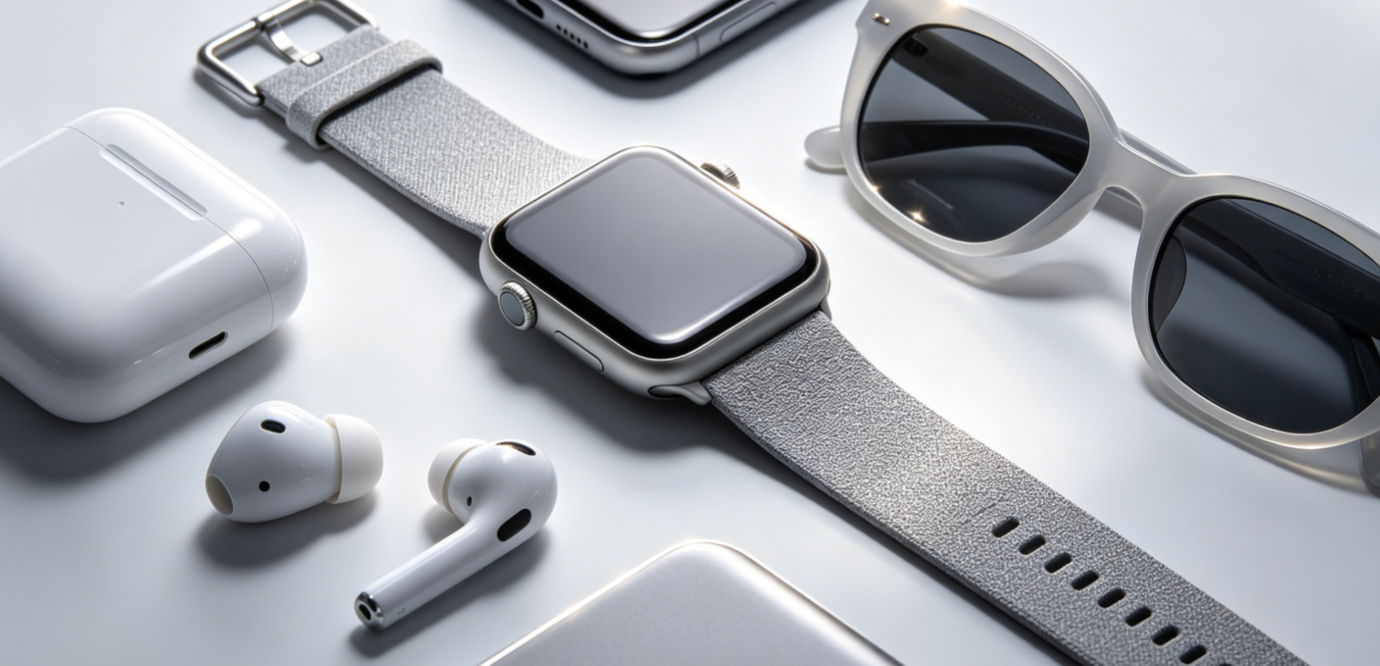
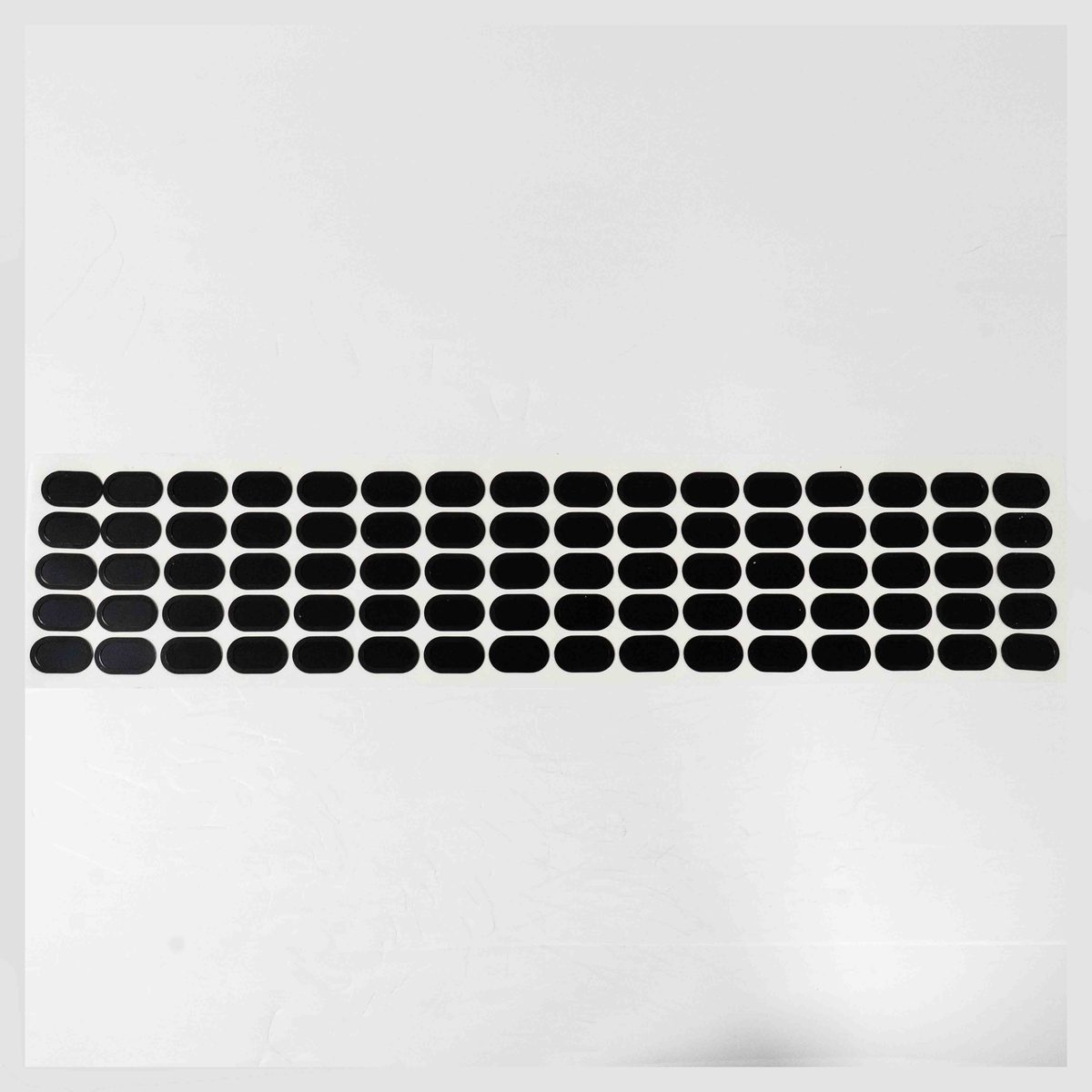
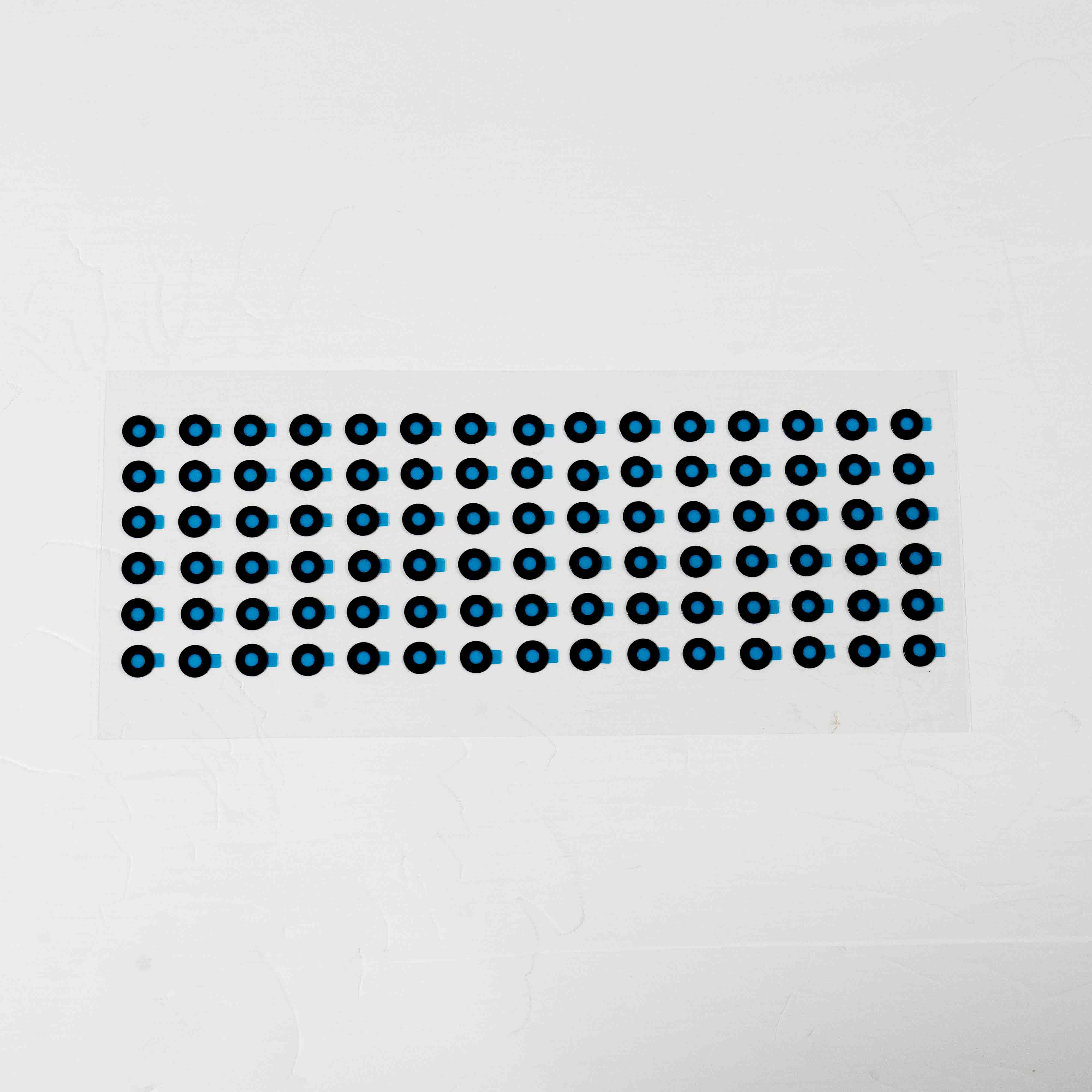
In Chinese the product is called both 透声膜 ("sound-transmitting film") and 透音膜 ("sound-permeable film"). They refer to the same category: a membrane that transmits sound while staying waterproof. On this page we use the English term acoustic vent membrane / sound-permeable membrane to cover both. The membrane sits over the acoustic port of a mic or speaker, so the device can "hear" and "speak" through a waterproof barrier.
How an Acoustic Vent Membrane Works
The microporous structure passes sound waves (air pressure fluctuations) but stops liquid water and particles. ePTFE grades achieve acoustic loss of ≤ 1 dB—effectively transparent to sound—while TPU runs 6–10 dB and premium PU 0.5–1.5 dB*. Lower loss means clearer call quality and richer music.
ePTFE vs TPU vs PU: Acoustic Loss Comparison
| Material | Acoustic loss | Waterproof | Best for |
|---|---|---|---|
| ePTFE | ≤ 1 dB | Up to 10 m depth | Microphones, speakers, premium audio |
| TPU | 6–10 dB | Up to 5 m depth | Mid-tier audio, flexible parts |
| PU | 0.5–1.5 dB* | Up to 3 m depth | Cost-sensitive, non-critical audio |
* Premium acoustic-grade PU film (e.g. tested Japanese sample) measures 0.5–1.5 dB acoustic loss and reaches 1–2 m waterproof depth; low-grade PU can be far higher.
Key Specifications
- Acoustic loss: ≤ 1 dB (ePTFE), the metric that decides audio clarity.
- Waterproof rating: IP67/IP68 validated, up to 10 m for ePTFE.
- Air permeability: ml/min @ Ø10 mm orifice, supports pressure equalization behind the port.
- Temperature range: -40°C to +260°C (ePTFE).
Application Scenarios
Microphones (MIC Waterproof Vent)
Keep voice mics clear in rain and sweat. See MIC waterproof vent membrane and our low-loss test app note.
Speakers & Sound Emitters
Protect speakers without killing volume: speaker waterproof sound membrane.
TWS Earbuds
Design guidance for in-ear audio: TWS acoustic vent membrane and the TWS acoustic mesh design guide.
Walkie-Talkie, Action Camera, Smart Helmet
Rugged gear needs rugged audio ports: walkie-talkie speaker membrane, action camera sound membrane, smart helmet MIC membrane.
How to Select an Acoustic Vent Membrane
- Set the acoustic budget: if call clarity matters, choose ePTFE (≤1 dB).
- Confirm waterproof grade: IP67 for splashes, IP68 for submersion.
- Match the port shape: die-cut to the exact acoustic opening.
- Pick install method: self-adhesive, heat-stake, or weld.
Insertion Loss Measurement Data
Acoustic transparency is quantified as insertion loss at 1 kHz, measured on the assembled device (IEC 60268 method). Lower is better. Mimoyin ePTFE acoustic vents are specified at ≤ 1 dB.
| Material | Typical insertion loss @1 kHz | Water rating | Notes |
|---|---|---|---|
| Mimoyin ePTFE acoustic vent | ≤ 1 dB | IP67 / IP68 | Sound-permeable + waterproof |
| Acoustic-grade PU film | 0.5 – 1.5 dB | IP65 / IP67 | Lower loss, lower temp range |
| Non-fluorine vent film | 6 – 10 dB | IP65 | Noticeable attenuation |
For microphone and speaker openings, pair the vent with the right adhesive carrier and aperture size. We validate the assembled loss on your actual housing before mass production.
Frequently Asked Questions
Will the acoustic vent membrane muffle sound?
ePTFE versions add ≤ 1 dB loss—imperceptible. TPU/PU add more; choose by audio budget.
What is the difference between 透声膜 and 透音膜?
None in function—both mean a waterproof sound-transmitting membrane. 透声 emphasizes "sound passes", 透音 emphasizes "sound permeates"; English uses acoustic vent / sound-permeable membrane for both.
Can the membrane handle repeated washing or sweat?
Yes. ePTFE is hydrophobic and survives sweat, rain, and routine cleaning per IP ratings.
Does it affect microphone sensitivity?
A well-specified ePTFE vent preserves sensitivity; only a tiny, predictable loss is introduced.
How do I choose the right acoustic membrane for my device?
The right choice depends on three constraints: your audio budget (allowed insertion loss), the enclosure’s IP rating, and the assembly method. Choose ePTFE when you need ≤1 dB loss plus a wide temperature range (−40 °C to +260 °C); choose TPU for lower cost and higher flexibility in mild environments; choose PU for the tightest budgets. Send us your drawing and we propose the grade.
Can one acoustic membrane serve both speaker and microphone ports?
Yes — the same acoustic-vent family covers both. Microphone ports are more sensitivity-critical, so they receive a tighter insertion-loss spec (≤1 dB), while speaker ports can tolerate slightly more. We tune pore size, thickness, and active area per port rather than using a one-size disc.
Related Solutions
- Waterproof Acoustic Membrane (IP67/IP68)
- Waterproof Sound-Permeable Membrane (TPU)
- Pressure Equalization Vent Membrane
- Waterproof Breathable Membrane (overview)
Acoustic & Waterproof Capability
| Property | ePTFE (typical) | Alternative (TPU / non-fluorine) |
|---|---|---|
| Acoustic loss | ≤ 1 dB | 6–10 dB |
| Waterproof rating | IP67 / IP68 | IP67 / IP68 |
| Breathability | 200–12,000 ml/min @ Ø10 mm, 7 kPa | lower / material-dependent |
| Temperature range | −40 to +260 °C | −40 to +120 °C |
Mimoyin does not sell fixed catalog SKUs. We match the acoustic vent membrane to your drawing and required sound-loss / waterproof spec, then produce samples for validation.
References & Standards
- IEC 60529 — IP Code (IEC official): the international standard that defines the IP67 / IP68 ratings referenced throughout this site.
- EU RoHS Directive: restriction of hazardous substances for electrical and electronic equipment placed on the EU market.
- EU REACH Regulation: registration, evaluation, authorization and restriction of chemicals.
- US EPA — PFAS: federal guidance on per- and polyfluoroalkyl substances relevant to fluoropolymer choices.
- W. L. Gore & Associates: the originator of expanded PTFE (ePTFE) membrane technology.