
Waterproof Acoustic Membrane for Speaker: OEM Supplier Guide
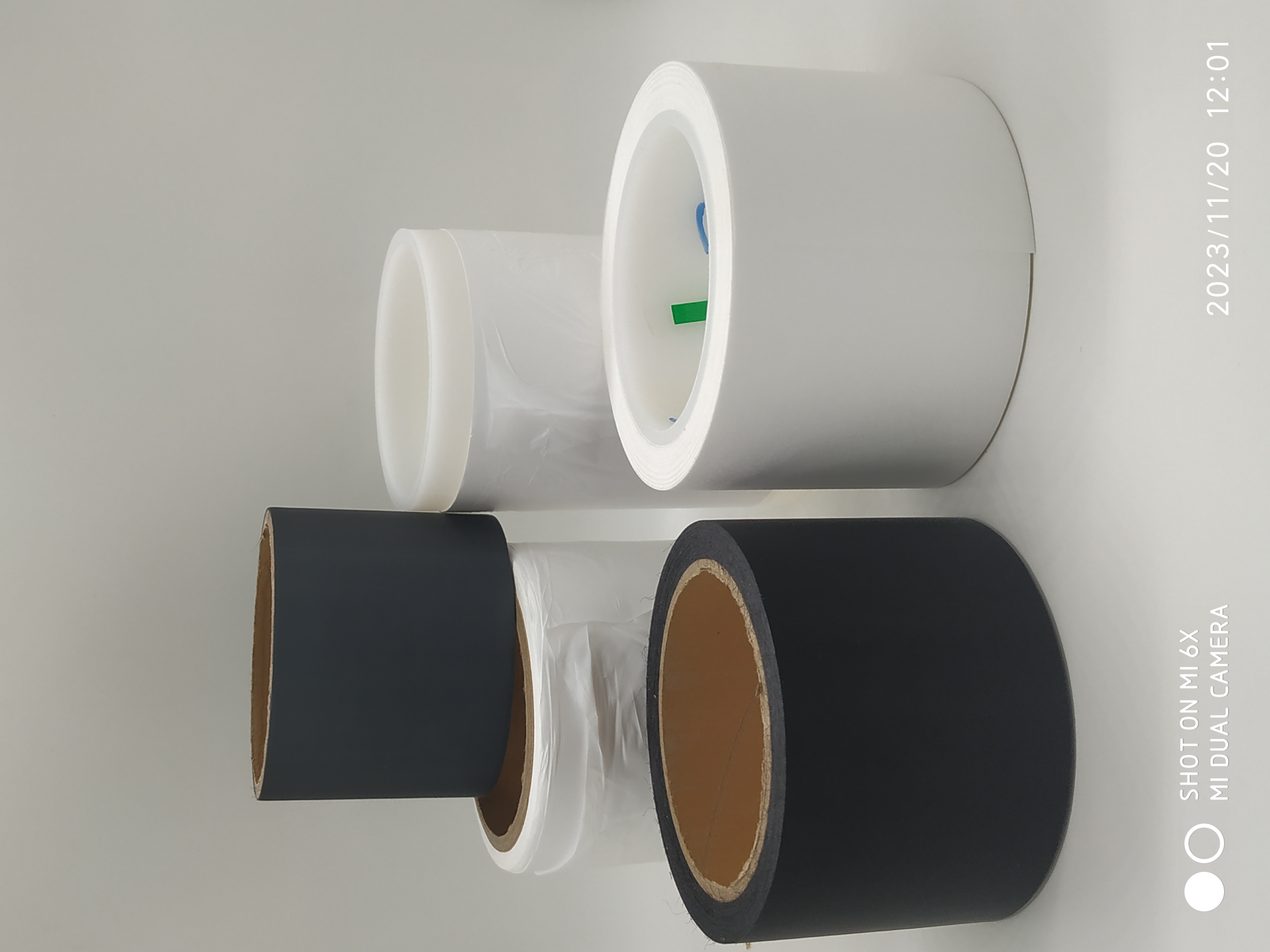
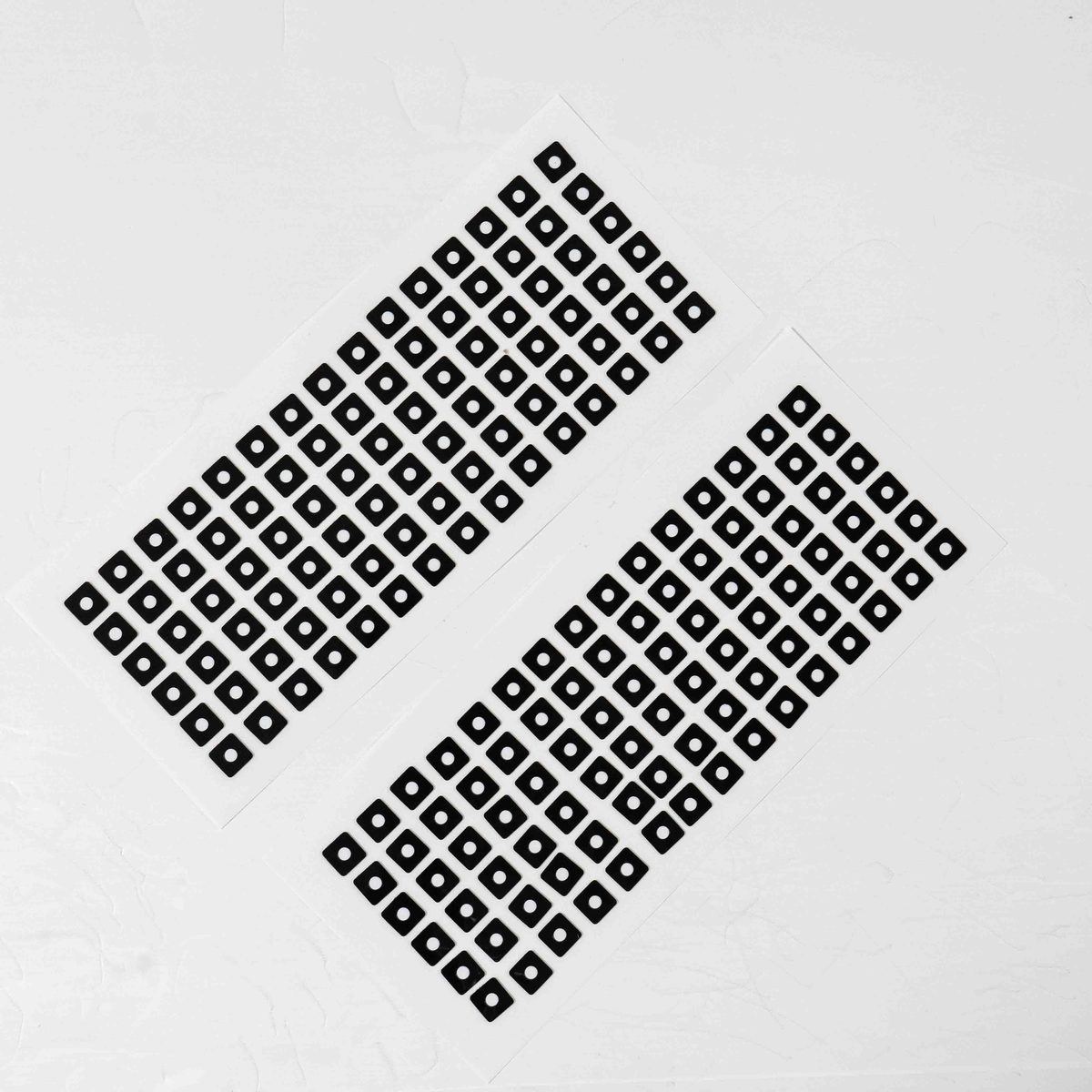
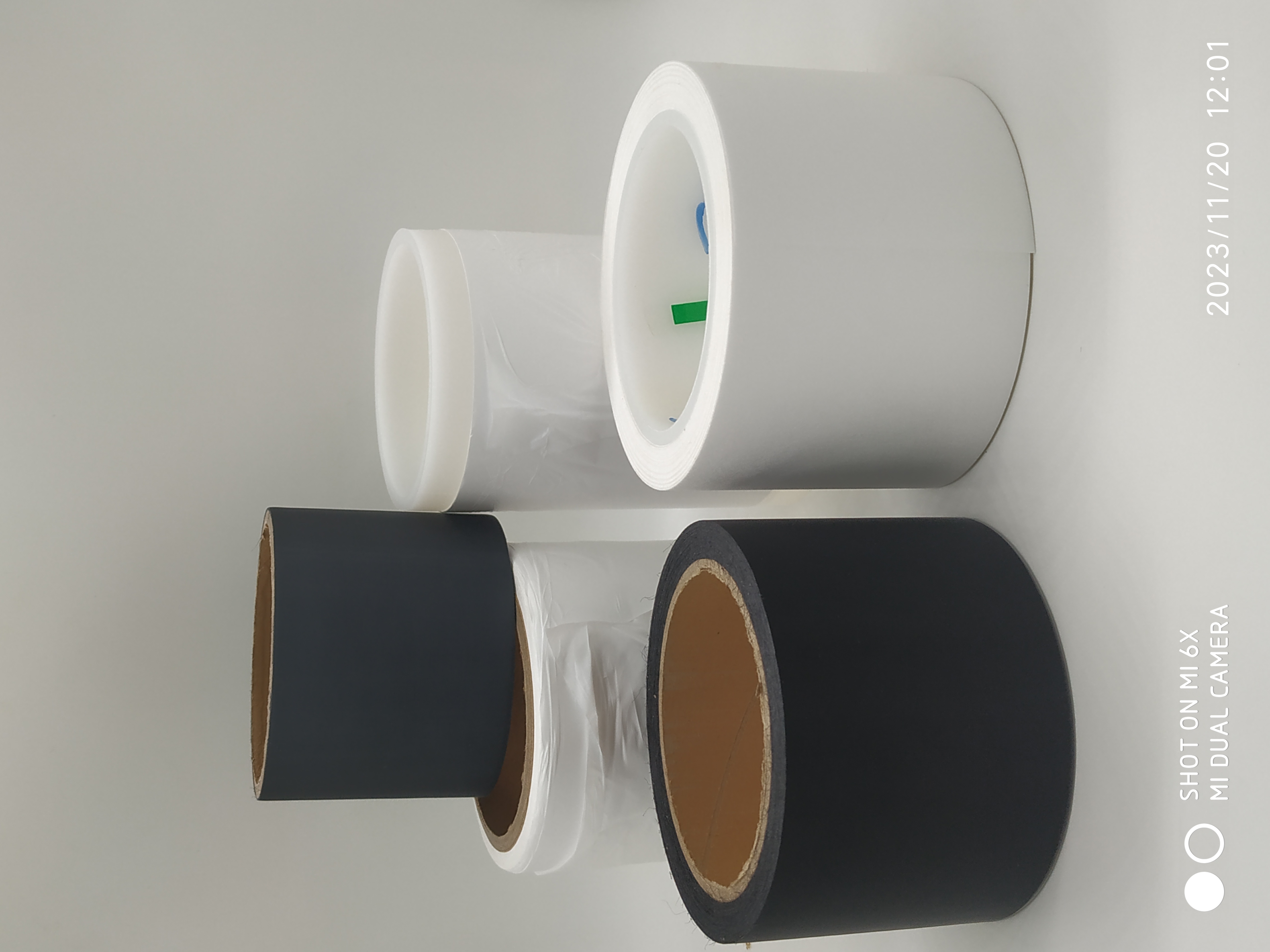 | Waterproof Acoustic Membrane for Speaker Type: ePTFE Acoustic Vent Film Protection: IP67 / IP68 Acoustic Loss: ≤1 dB Feature: Ultra-thin, Custom Die-cut |
Request Speaker Membrane Samples
Speaker manufacturers need waterproof protection that does not compromise sound quality. A waterproof acoustic membrane for speaker applications balances water resistance, free airflow, and acoustic transparency — so the enclosure stays sealed against rain, sweat, and dust while the driver still breathes and sounds clean. This guide covers how ePTFE acoustic vent film works, the parameters OEM buyers should specify, and how to choose a reliable supplier.
What Is a Waterproof Acoustic Membrane for Speaker?
A waterproof acoustic membrane (also called an acoustic vent or sound-permeable membrane) is a thin microporous film placed over the speaker sound hole. Its job is threefold: block liquid and particles, let the speaker equalize pressure and breathe, and pass sound with minimal loss. In Bluetooth speakers, smart speakers, walkie-talkies, and outdoor audio devices, this membrane is the difference between a product that survives a rain test and one that fails in the field.
How Does ePTFE Acoustic Membrane Work?
Expanded PTFE (ePTFE) is stretched into a node-and-fibril microporous structure. Three properties matter for speakers:
- Microporous structure — pores are small enough to stop water droplets by surface tension, yet large enough for air and sound waves to pass.
- Hydrophobic ePTFE — the surface repels water, so the membrane resists wet-out even under splash or immersion.
- Air permeability & acoustic transparency — gas flows through the pores for pressure equalization, while the film's low acoustic resistance keeps sound loss below 1 dB.
The result is a vent that "breathes but does not leak" — exactly what a sealed speaker enclosure needs.
Key Performance Parameters
| Parameter | Typical Value / Note |
|---|---|
| Material | ePTFE (expanded PTFE) |
| Waterproof rating | IP67 / IP68 (design-dependent) |
| Acoustic loss | ≤ 1 dB (measured, not claimed) |
| Thickness | 20–100 µm (custom per spec) |
| Air permeability | 200–12,000 ml/min @ Ø10 mm orifice, 7 kPa |
| Temperature range | −40 °C to +260 °C continuous |
| Adhesive | 3M acrylic medical-grade option |
Note on airflow: breathability is always measured against a condition. Mimoyin reports airflow as total flow through a Ø10 mm orifice at 7 kPa differential — the condition that matters for enclosure venting. A number without its test condition is not comparable.
Applications
- Bluetooth speakers — portable, often used outdoors; need IP67 splash resistance.
- Smart speakers — indoor, but still need dust and condensation control.
- Outdoor / PA speakers — full IP68, heavy rain and temperature swing.
- Walkie-talkie & two-way radios — rugged, field use.
- Portable audio devices — earpieces, soundbars, action-camera audio.
See also our acoustic vent membrane overview and microphone waterproof vent pages.
Why Choose ePTFE Instead of TPU or Silicone
| Material | Waterproof | Sound transmission | Breathable |
|---|---|---|---|
| ePTFE | ★★★★★ | ★★★★★ | ★★★★★ |
| TPU film | ★★★★ | ★★ | ★★ |
| Silicone | ★★★★★ | ★★ | × |
TPU and non-fluorine films typically show 6–10 dB acoustic loss and much lower airflow at the same thickness. For speaker voice that must stay clean, ePTFE is the standard. Compare in detail on our ePTFE vs TPU guide.
Custom OEM & Die-Cut Solutions
Speaker openings are never one-size. Mimoyin supplies ePTFE acoustic film in roll or as custom die-cut shapes — round, rectangular, or contoured to your sound hole, with 3M adhesive backing and specified thickness. Tooling is set per your drawing; we do not sell fixed SKUs. Send a drawing and we return a prototype.
How to Select a Waterproof Acoustic Membrane Supplier
When you shortlist an ePTFE membrane supplier, check these seven points:
- Material capability — do they control ePTFE expansion, or just trade film?
- Acoustic testing — can they show insertion-loss data, not just a claim?
- Waterproof testing — IP67/IP68 validation reports per design.
- Airflow measurement method — insist on the orifice size and pressure used.
- Die-cut tolerance — hold ±0.05 mm on critical shapes.
- Mass production — clean-room converting, lot traceability.
- Sampling lead time — how fast can they return a prototype from your drawing?
For a fuller checklist, read our ePTFE vent membrane manufacturer guide.
FAQ
What is the best waterproof membrane for speakers?
ePTFE acoustic membrane is the widely used choice because it keeps the speaker waterproof while preserving sound. It typically shows ≤1 dB loss versus 6–10 dB for TPU or non-fluorine film.
Can waterproof acoustic membranes reach IP68?
Yes. Customized ePTFE acoustic vents can meet IP67 or IP68 depending on membrane grade, adhesive, and housing design. Validation should be done on the assembled device, not the film alone.
Do you provide OEM acoustic membrane solutions?
Yes. Custom thickness, shape, adhesive, and die-cut are available per customer drawing. We prototype from your spec rather than selling fixed SKUs.
Will the membrane muffle the speaker?
No. Low acoustic resistance ePTFE passes sound with minimal attenuation; well-designed vents stay under 1 dB loss.
What airflow number should I specify?
Specify airflow with its test condition. Mimoyin measures at a Ø10 mm orifice, 7 kPa differential, reporting 200–12,000 ml/min depending on grade.
Request ePTFE acoustic membrane samples for your speaker project