
Waterproof Acoustic Membrane | IP67/IP68 ePTFE Membrane for TWS Earbuds & Speakers | Mimoyin
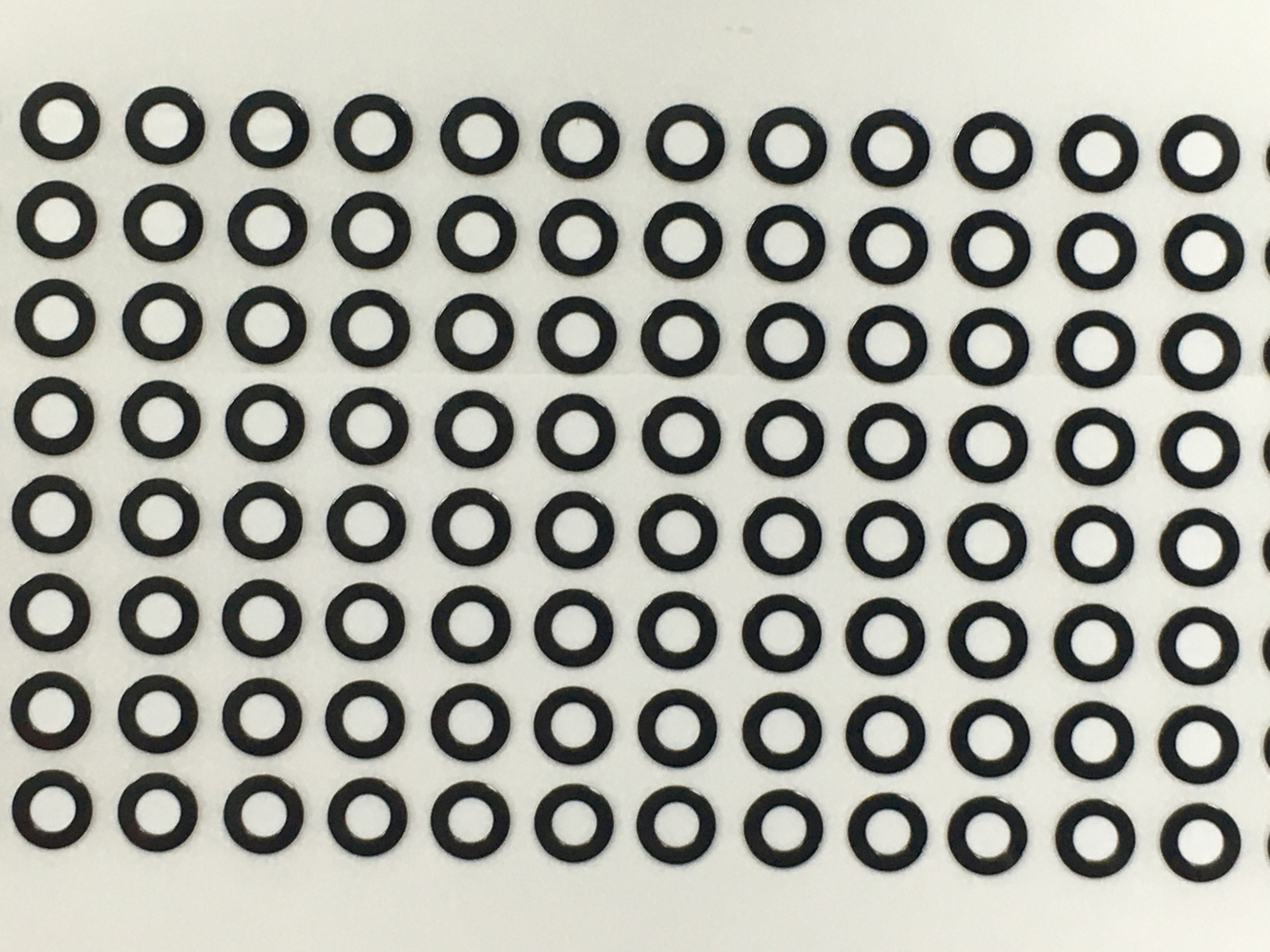
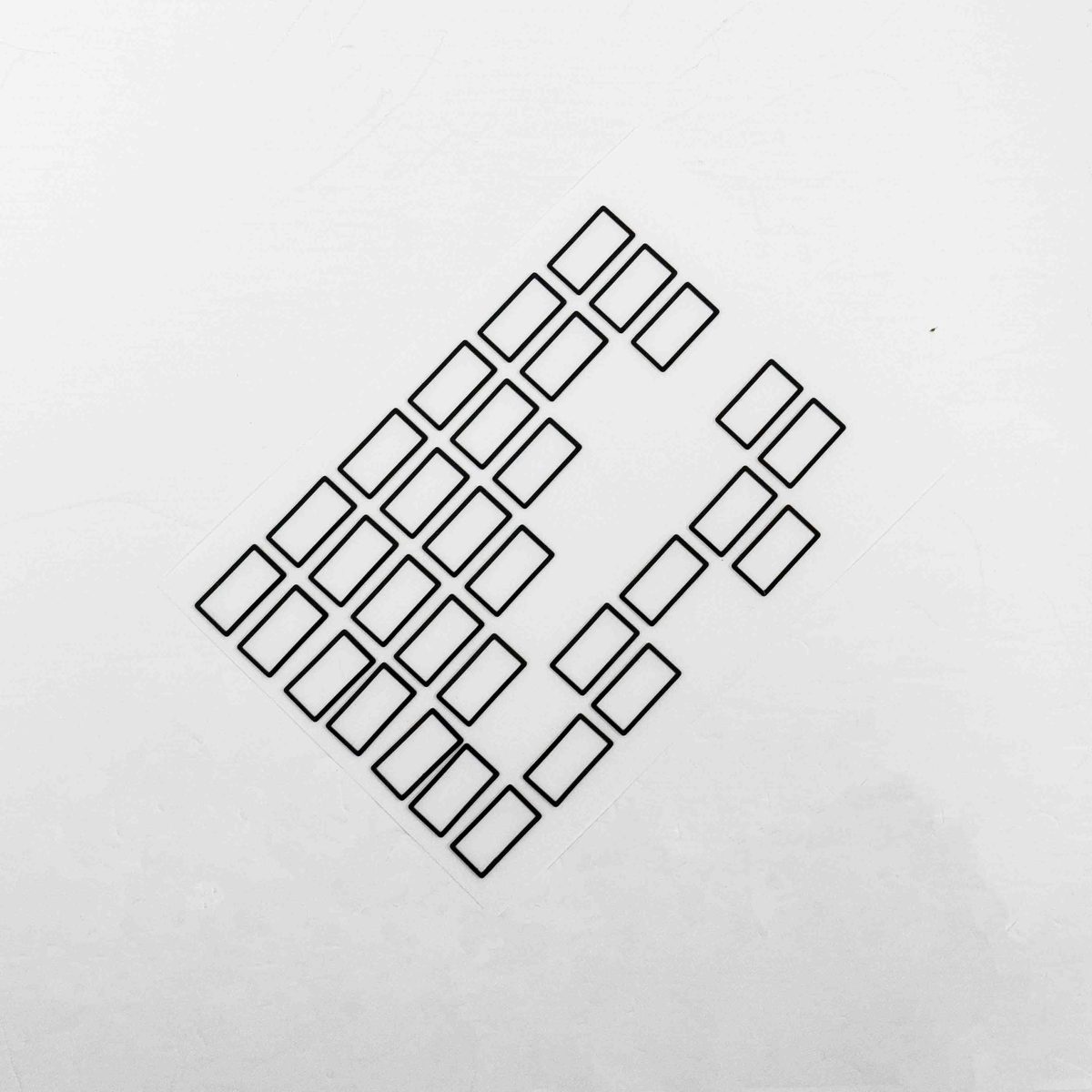
What Is a Waterproof Acoustic Membrane?
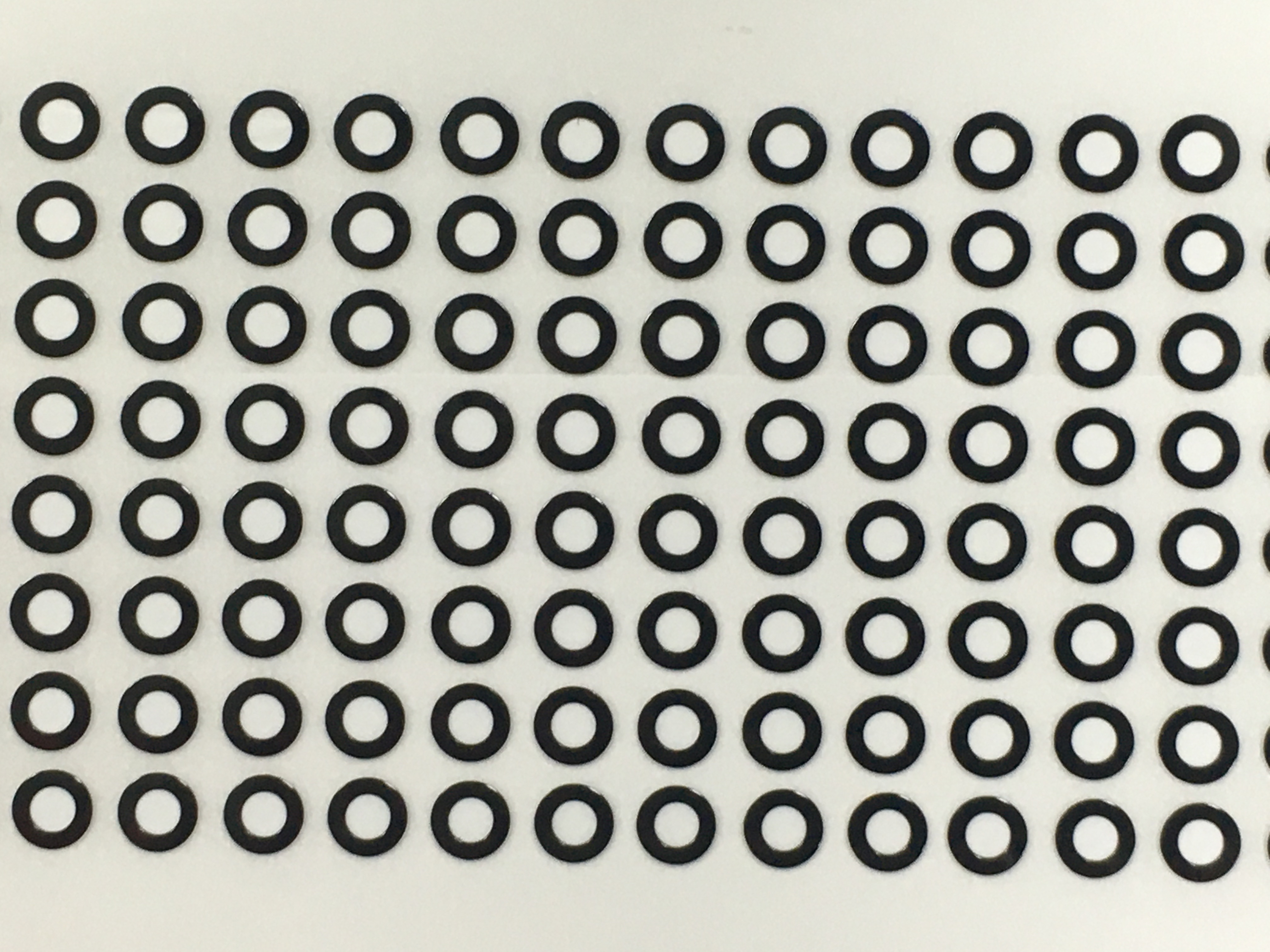
A waterproof acoustic membrane (often made of ePTFE, TPU, or PU) is a specialized microporous film designed to protect sensitive electronic components like TWS earbuds, microphones, and speakers from water, dust, and debris, while allowing sound waves and air pressure to pass through with minimal loss. Mimoyin’s advanced waterproof acoustic membranes provide superior acoustic performance and reliable environmental protection for your audio devices.
Technical Specifications
| Parameter | Typical Value (ePTFE) |
|---|---|
| Material | Expanded PTFE (ePTFE) |
| Waterproof Rating | IP67 / IP68 |
| Insertion Loss | ≤ 1.0 dB @ 1kHz |
| Air Flow (@70mbar) | 100 – 1000 ml/min @ Ø10 mm orifice, 7 kPa |
| Operating Temperature | -40°C to +260°C |
| Thickness | 0.02 – 0.10 mm (Custom) |
| Die-Cutting | Round / Square / Custom Shapes |
| Adhesive | Acrylic PSA / Custom |
Where Are Waterproof Acoustic Membranes Used?
- TWS Earbuds: Protects speaker & mic from sweat, rain, and dust without muffling sound.
- Smart Speakers: Enables outdoor use while maintaining voice clarity.
- Microphones: Prevents moisture damage in broadcast, recording, and industrial mics.
- Wearable Devices: Smartwatches, fitness trackers, and hearing aids.
- Automotive Audio: Speaker protection in door panels and dashboards.
Why Choose Mimoyin’s Waterproof Acoustic Membrane?
- ✅ Ultra-low Insertion Loss: ≤1dB ensures near-transparent sound transmission.
- ✅ IP67/IP68 Protection: Withstands immersion and high-pressure water jets.
- ✅ Custom Die-Cutting: Precision-cut to fit any device form factor.
- ✅ Thermal Stability: Performs reliably from -40°C to +260°C.
- ✅ Chemical Resistance: Resists oils, solvents, and UV degradation.
- ✅ Eco-Friendly Options: Fluorine-free variants available upon request.
ePTFE vs. TPU/PU Acoustic Membranes
While TPU and PU membranes are cheaper, they often sacrifice acoustic performance and long-term durability. ePTFE offers:
- Higher porosity → better airflow & sound transmission
- Superior chemical & thermal resistance
- Longer service life (5–10 years vs. 2–3 years)
- Better hydrophobicity (water beads off easily)
Read our full ePTFE vs TPU Membrane: Complete Comparison Guide →
Frequently Asked Questions About Waterproof Acoustic Membranes
Q: Can I use this membrane for underwater devices?
A: Yes, our IP68-rated membranes are suitable for submersion up to 1.5 meters for 30 minutes. For deeper applications, consult our engineering team.
Q: How do I install the membrane?
A: We recommend using pressure-sensitive adhesive backing or ultrasonic welding for permanent bonding. Detailed installation guides are available upon request.
Q: Does the membrane affect microphone sensitivity?
A: No — our membranes are engineered to maintain >95% of original microphone sensitivity while blocking water and dust.
Q: Are samples available?
A: Yes! Request free samples here →
Ready to Enhance Your Product’s Durability & Sound Quality?
Don’t let water or dust compromise your audio experience. Mimoyin’s waterproof acoustic membranes are trusted by leading TWS, speaker, and mic manufacturers worldwide.
👉 Request Free Sample & Technical Datasheet
👉 Browse All ePTFE Membrane Products
👉 Talk to Our Engineering Team
Related guide: See the complete Acoustic Vent Membrane overview for material comparisons, selection criteria, and application design.
Technical FAQ: Waterproof Acoustic Membranes
What is the sound transmission loss of a waterproof acoustic membrane?
Our ePTFE acoustic membranes keep sound loss ≤1 dB (measured against Japanese reference films), far below PU/non-fluorine films (6–10 dB). Lower loss preserves voice clarity at the microphone.
How does the membrane block water but let sound through?
The microporous ePTFE film has pores smaller than water droplets yet larger than air/sound wavelengths, so sound passes while liquid water is repelled — achieving IP67/IP68 at the mic port.
What IP rating can a microphone waterproof membrane reach?
IP67 and IP68. We match the membrane's water-pressure rating to your device's required depth during sampling.
Can the acoustic membrane be die-cut for tiny microphone ports?
Yes. We laser- or punch-die-cut to round, rectangular, or custom shapes down to small port sizes, in a Class 10,000 cleanroom.
Which applications use waterproof acoustic membranes?
TWS earbuds, Bluetooth speakers, smartphones, hearing aids, and outdoor IoT microphones that need voice clarity plus water/dust protection.