
IP67 IP68 Pressure Equalization Vent Membrane | Waterproof Breather
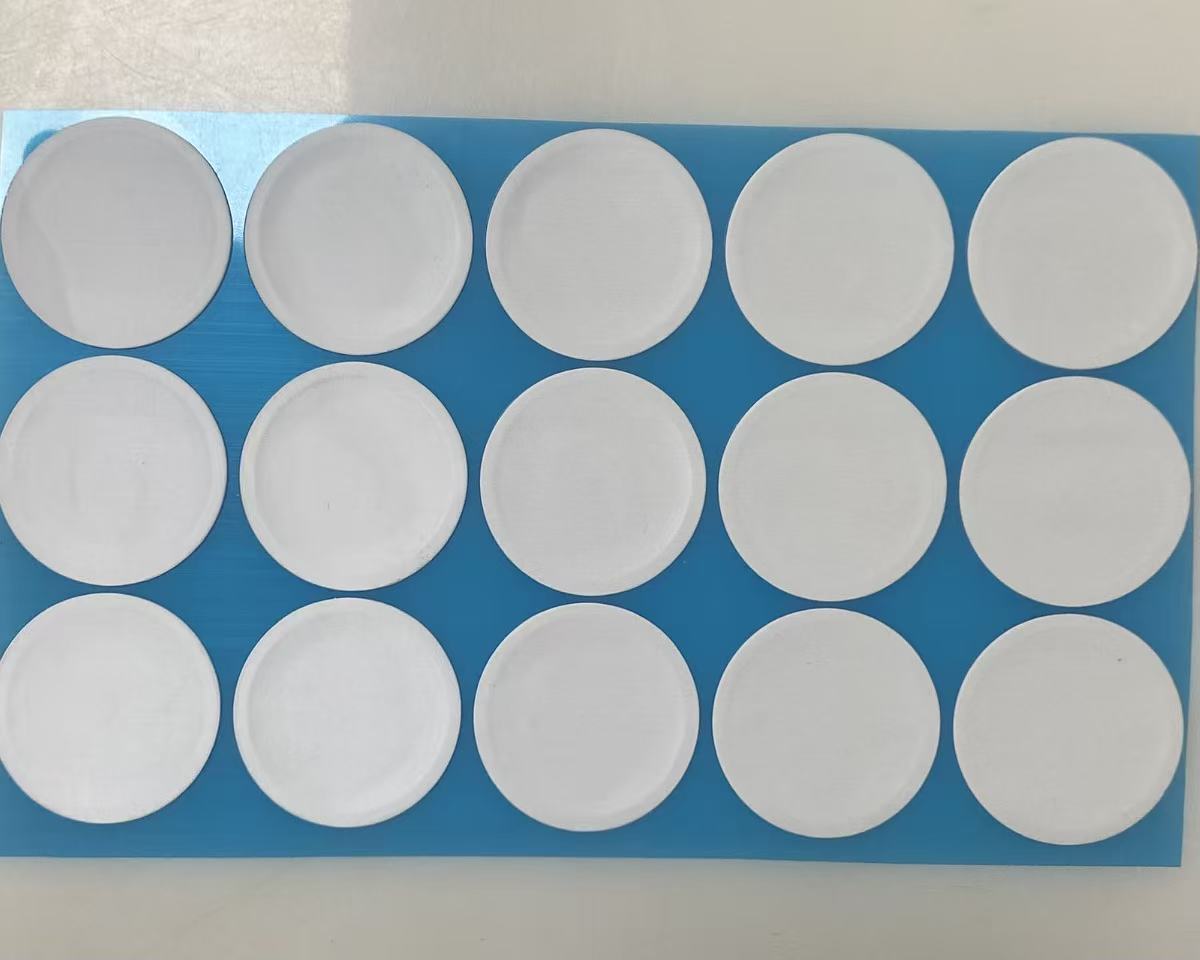
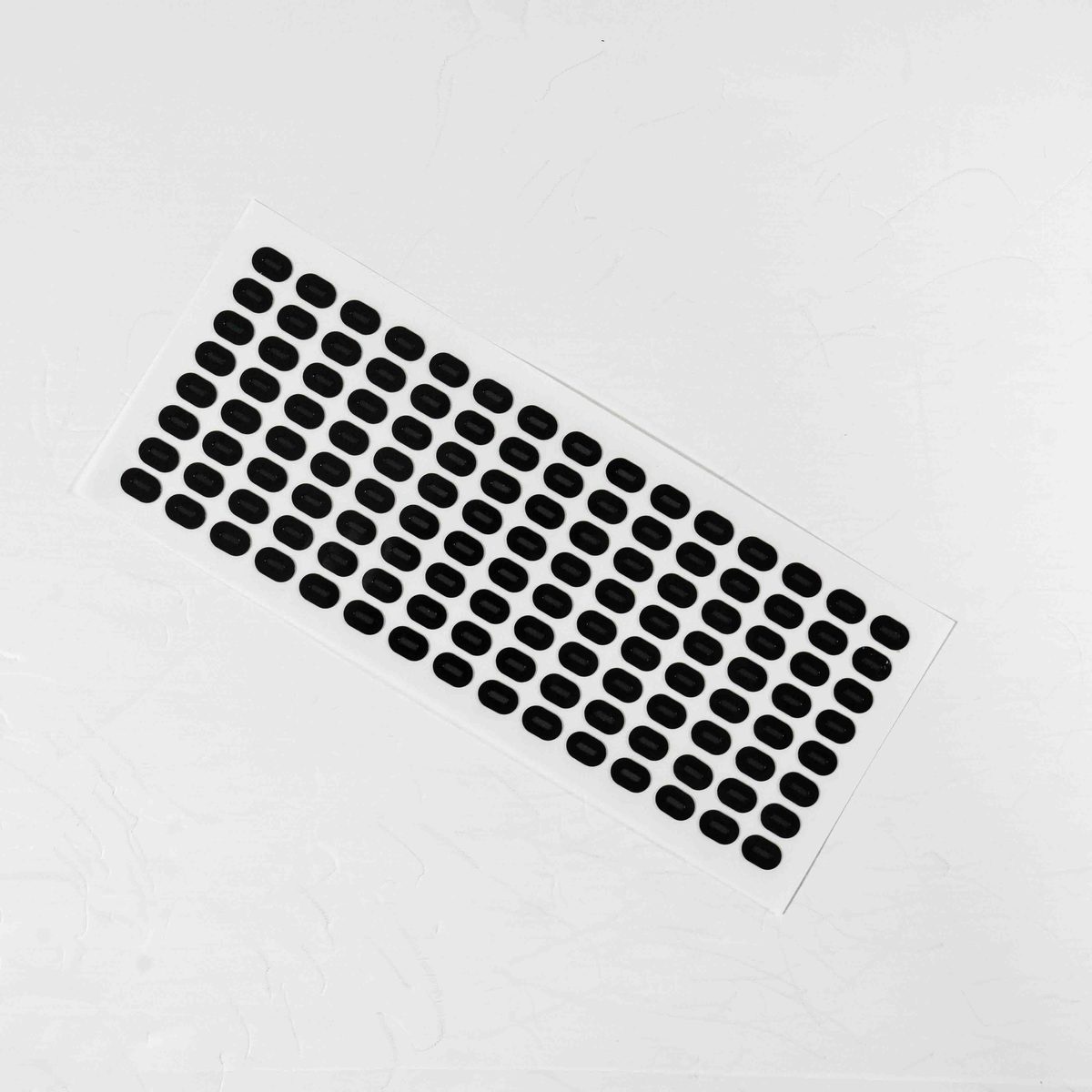
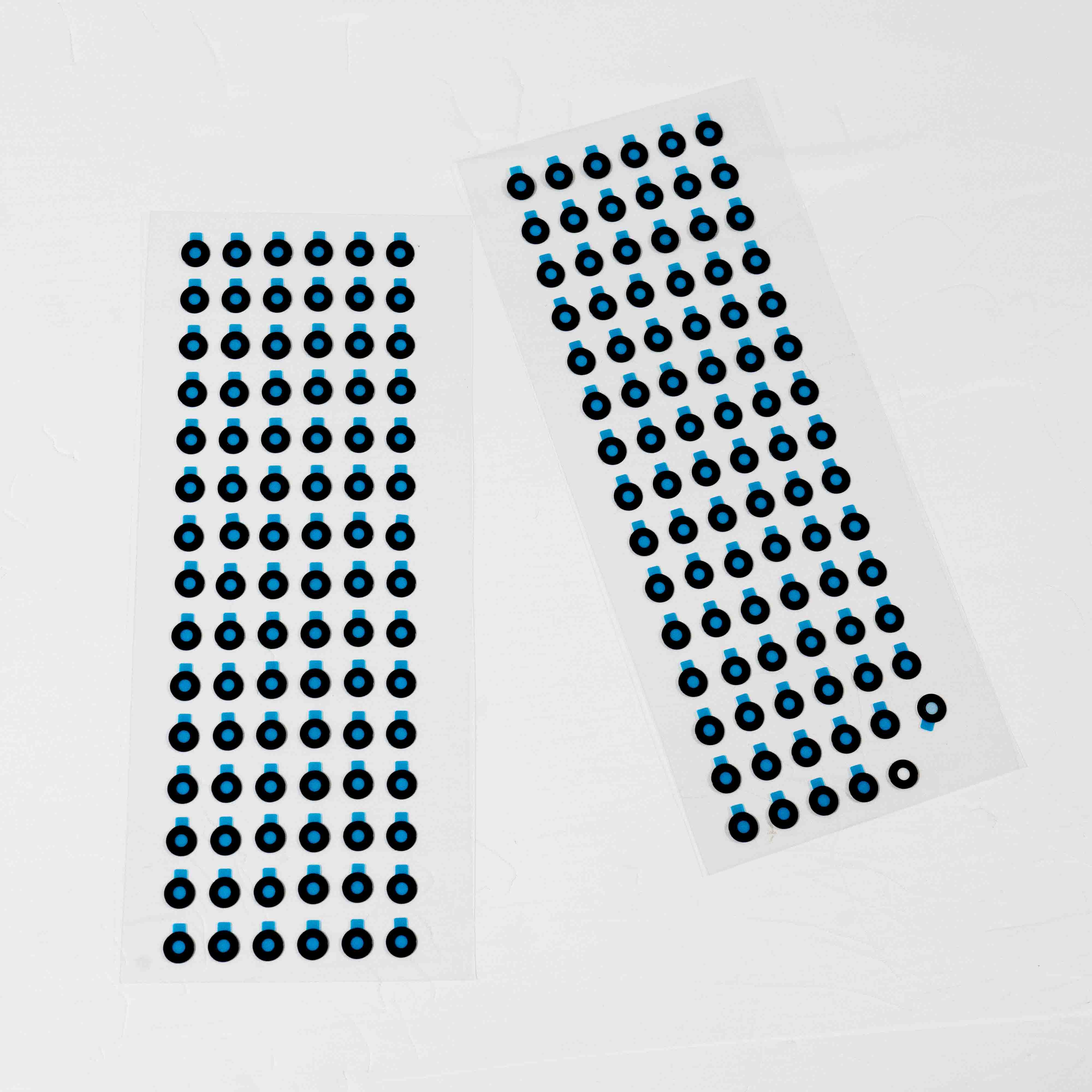
Why Pressure Equalization Matters
Sealed enclosures act like balloons: as temperature or altitude shifts, internal air expands or contracts, creating pressure that bulges housings, stresses gaskets, and draws in moisture through micro-leaks. A vent membrane equalizes that pressure passively, so the seal only has to block liquid—not pressure.
Common Failure Modes It Prevents
- Enclosure bulging or suction deformation from pressure delta.
- Condensation inside the housing as warm humid air cools.
- Seal and gasket premature failure under repeated pressure cycling.
- Battery outgassing in new-energy packs needing safe venting.
ePTFE vs TPU: Vent Material Comparison
| Property | ePTFE Vent | TPU Vent |
|---|---|---|
| Air permeability | High — ml/min @ Ø10 mm orifice | Medium — ml/min @ Ø10 mm orifice |
| Waterproof rating | Up to 10 m depth | Up to 5 m depth |
| Temperature range | -40°C to +260°C | -30°C to 80°C |
| Chemical resistance | Excellent | Good |
| Cost | Higher | Medium |
Technical Specifications
- Air permeability: ml/min @ Ø10 mm orifice, sized to enclosure volume and temperature swing.
- Waterproof rating: IP67/IP68, up to 10 m for ePTFE.
- Temperature range: -40°C to +260°C (ePTFE grades).
- Form factor: disc, rectangle, or custom die-cut; adhesive or weld mount.
Application Scenarios
Automotive Electronics & EV Battery Packs
Under-hood and pack vents survive heat, spray, and pressure cycling. See the automotive pressure relief vent guide.
Outdoor & Smart-City Sensors
Field enclosures avoid condensation and deformation: locator bottom-shell vent.
Consumer Devices
Everyday gear relies on small vents: shaver vent, electric toothbrush vent.
Industrial IoT & Energy Storage
Remote telemetry and solar/inverter enclosures stay dry and pressure-balanced year-round.
How to Select the Right Pressure Equalization Vent
- Calculate required air permeability from enclosure volume and expected ΔT/Δaltitude.
- Select installation method: adhesive, snap-in, or welded.
- Specify membrane size and shape to the available port.
- Confirm IP rating (IP67 splash vs IP68 immersion).
Our pressure balance vent selection guide gives the full worksheet, and the IP68 installation & aging note covers lifecycle cost.
Parameter Comparison vs Leading Vent Brands
Buyers routinely benchmark Mimoyin ePTFE pressure equalization vents against global vent brands. The table below uses one shared standard — airflow measured at a Ø10 mm orifice under 7 kPa differential — so the numbers are directly comparable.
| Parameter | Mimoyin ePTFE | Typical TPU vent | Typical PU / non-fluorine vent |
|---|---|---|---|
| Continuous temperature range | -40 °C to +260 °C | -30 °C to +80 °C | -40 °C to +120 °C |
| Air permeability (Ø10 mm @ 7 kPa) | 200 – 12,000 ml/min | 200 – 2,000 ml/min | 100 – 1,000 ml/min |
| Waterproof depth (ePTFE grade) | 2 – 50 m | 1 – 2 m | 1 – 2 m |
| Pressure equalization speed | Sub-second (typical enclosures) | 1 – 3 s | 2 – 5 s |
| Chemical resistance | Excellent (hydrophobic & oleophobic) | Moderate | Limited |
| Custom die-cut / shape | Yes (per drawing) | Limited | Limited |
How to Calculate the Required Airflow
Select the airflow grade that keeps the pressure differential inside the membrane's safe range. A practical starting point for a sealed enclosure:
- Estimate free internal air volume V (cm³).
- Estimate the worst-case temperature swing ΔT (°C) the device experiences.
- Set a target equalization time t (seconds) — shorter is safer for seals and gaskets.
- Required airflow ≈ V × ΔT ÷ (273 + Tavg) ÷ t, then choose the next higher ePTFE grade.
Example: a 200 cm³ automotive ECU housing that swings 60 °C in 10 s needs roughly 200 × 60 ÷ 303 ÷ 10 ≈ 4 ml/min minimum. A mid-grade ePTFE vent (1,000 – 5,000 ml/min) gives a large safety margin and faster transient response.
Pressure Equalization Vent Selection Checklist
- Define the enclosure free volume and worst-case ΔT.
- Pick ePTFE when temperature, chemical, or depth rating exceeds TPU/PU limits.
- Match the vent aperture to the housing wall thickness and adhesive area.
- Confirm IP67/IP68 on the assembled housing, not the bare film.
- Request a free die-cut sample for validation before mass production.
Certifications & Quality System
Mimoyin supplies automotive and industrial tiers under a documented quality system. Available per program on request:
- ISO 9001 — quality management baseline
- IATF 16949 — automotive process compliance (program-dependent)
- RoHS / REACH — material declarations
- IP67 / IP68 validation reports per housing assembly
- 100% incoming film test + final IP and adhesion inspection
All vents are made to custom specification. Send your drawing with the required breathability, acoustic loss (where applicable), and water-pressure target, and we return die-cut samples for validation.
Frequently Asked Questions
Will the vent membrane clog over time?
ePTFE is hydrophobic and self-cleaning; under normal conditions it stays permeable for the device's life.
Can the vent be installed on a moving or vibrating enclosure?
Yes—adhesive and welded mounts tolerate vibration; specify the duty in your RFQ.
Does the vent affect EMI/RF shielding?
No. The film is dielectric and does not compromise shielding.
What is the typical service life?
ePTFE vents are rated for the operating life of the enclosure under specified conditions (-40°C to +260°C).
Can these vents be used in medical or food equipment?
Standard grades are industrial; notify us for medical/food-grade material requests.
Related Solutions
- Pressure Relief Vent Material Comparison
- Pressure Equalization Membrane
- Waterproof Breathable Membrane (overview)
- Waterproof Acoustic Vent Membrane
Breathability & Water-Pressure Capability
| Tier | Breathability (ml/min @ Ø10 mm, 7 kPa) | Water pressure | Typical application |
|---|---|---|---|
| Low breathability (high waterproof) | 200–1,000 | 50–30 m | Deep-water / harsh waterproof; custom per spec |
| Mid (balanced) | 1,000–5,000 | 30–2 m | Automotive / general outdoor; custom per spec |
| High breathability | 5,000–12,000 | 10–1 m | High heat dissipation / low waterproof need; custom per spec |
Mimoyin does not sell fixed catalog SKUs. For each project we match the membrane material to your drawing and required breathability, acoustic loss, and water pressure, then produce samples for your validation testing.
References & Standards
- IEC 60529 — IP Code (IEC official): the international standard that defines the IP67 / IP68 ratings referenced throughout this site.
- EU RoHS Directive: restriction of hazardous substances for electrical and electronic equipment placed on the EU market.
- EU REACH Regulation: registration, evaluation, authorization and restriction of chemicals.
- US EPA — PFAS: federal guidance on per- and polyfluoroalkyl substances relevant to fluoropolymer choices.
- W. L. Gore & Associates: the originator of expanded PTFE (ePTFE) membrane technology.