
Acoustic Vent Membrane — Full Technical Specifications
Acoustic Vent Membrane — Full Technical Specifications
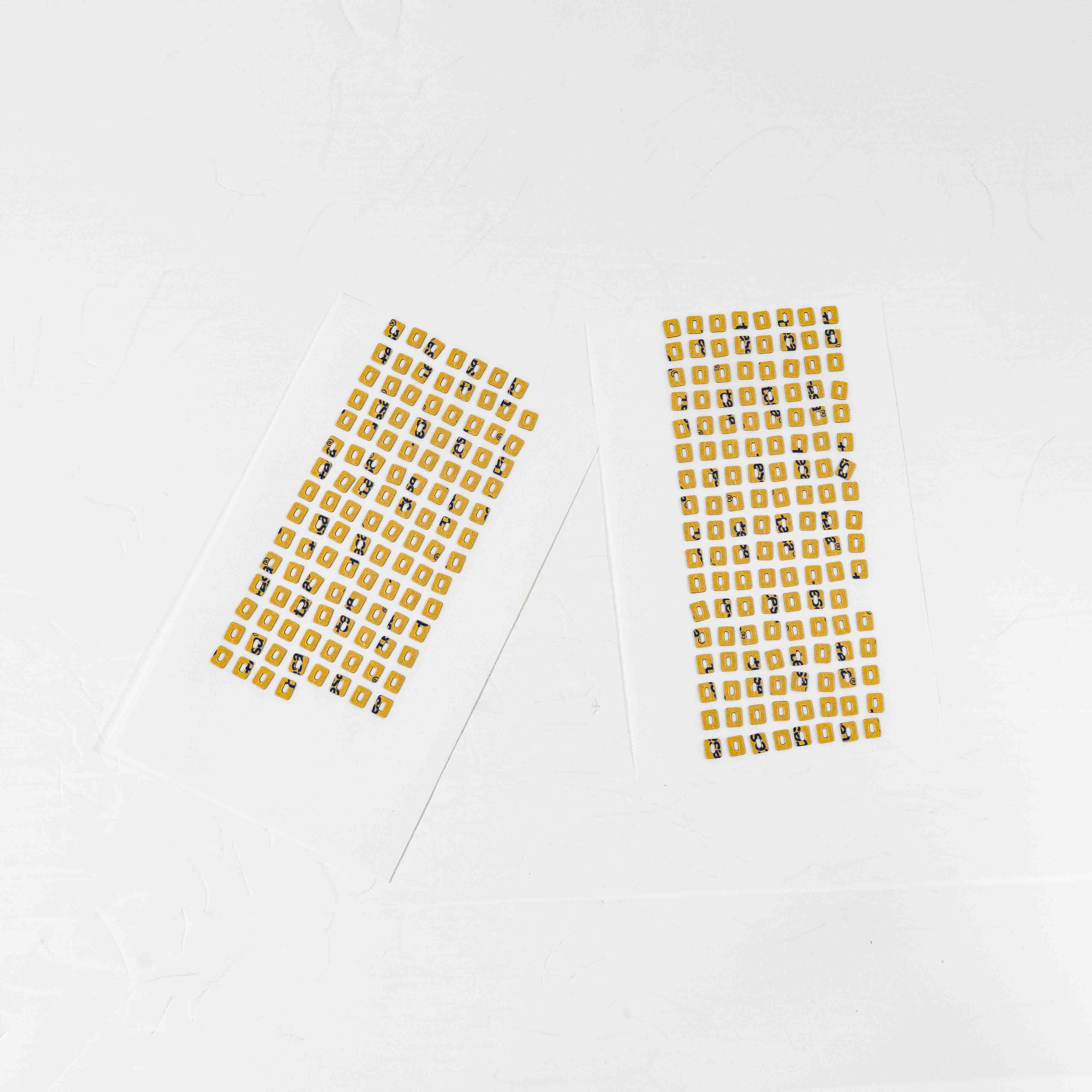
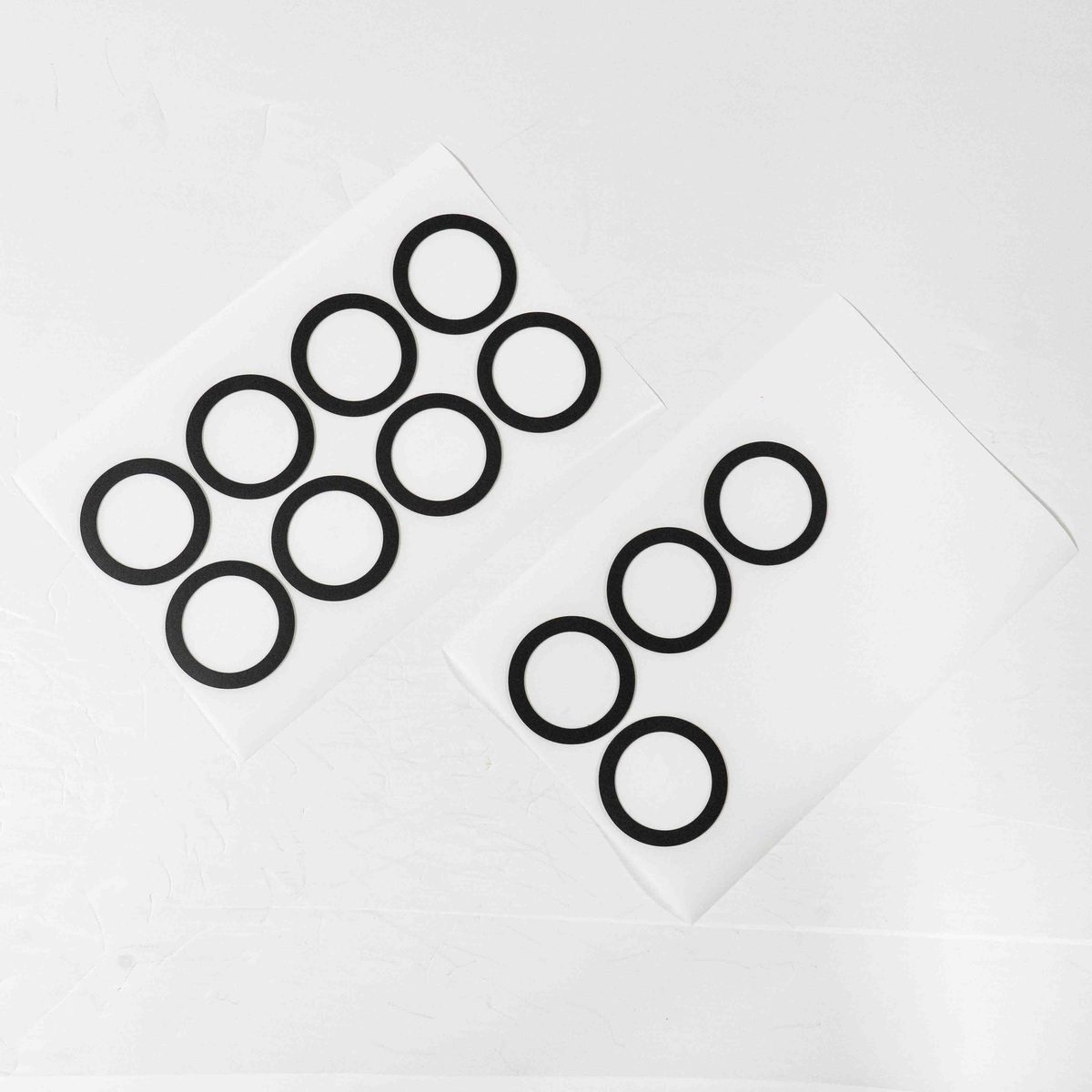
An acoustic vent membrane — also called a waterproof sound-permeable membrane or waterproof acoustic membrane (防水透声膜 / 防水透音膜 in Chinese) — is a thin ePTFE or TPU film that lets sound pass while blocking water, dust, and pressure. It protects microphones, speakers, and sensors in phones, TWS earbuds, and wearables. This page gives the full data sheet, acoustic parameters, and selection guide.
What Is an Acoustic Vent Membrane?
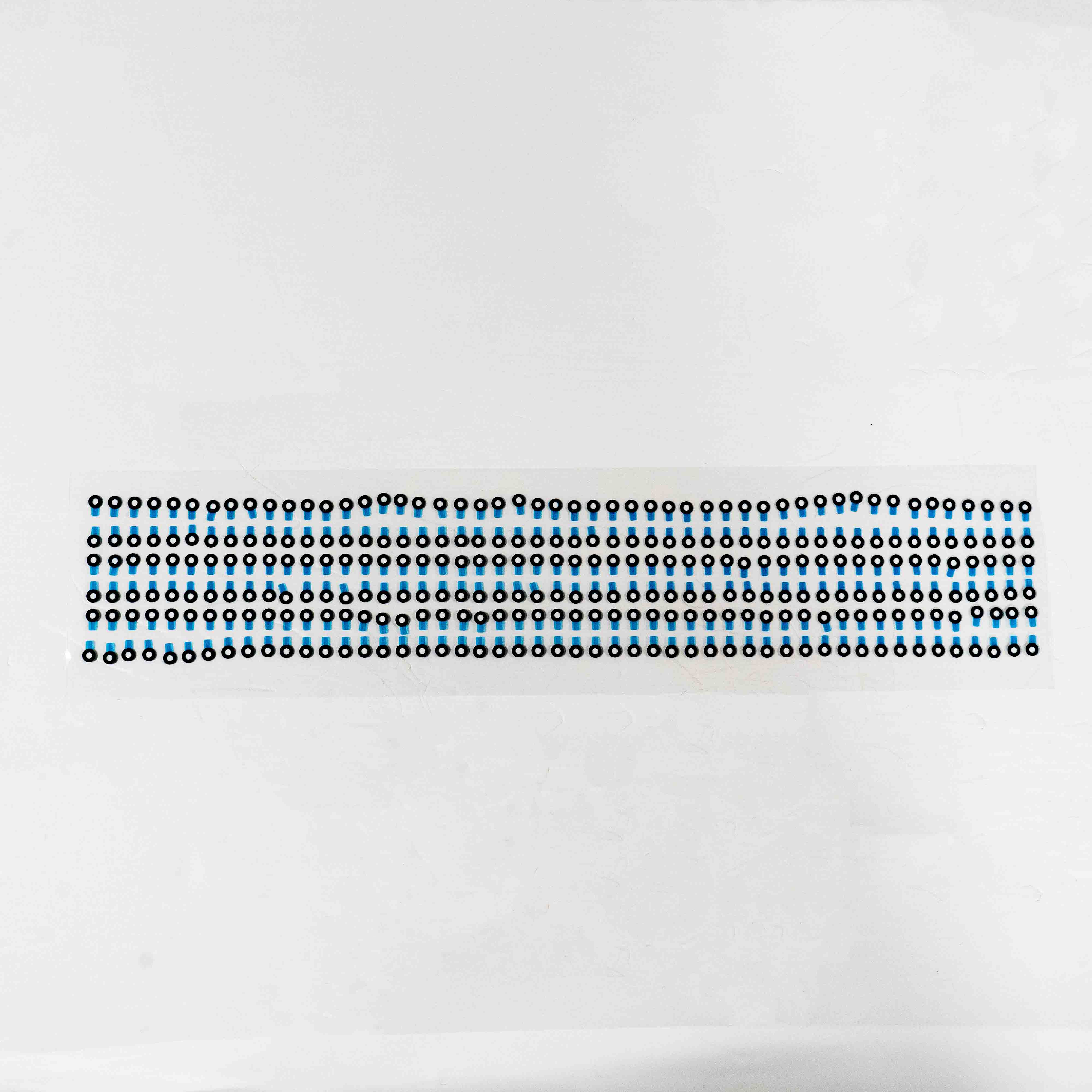
The membrane uses a microporous ePTFE structure with controlled pore size so acoustic waves transmit with minimal loss while water and dust are blocked. Acoustic grade differs from standard breathable film by tighter pore geometry that keeps insertion loss below 1 dB.
Complete Technical Data Sheet
| Parameter | Typical Range / Value | Test Standard |
|---|---|---|
| Base material | ePTFE (acoustic grade) / optional TPU | — |
| Insertion loss (声损) | ≤ 1.0 dB @ 1 kHz | IEC 60268-5 |
| Air permeability (透气量) | 200–12,000 ml/min @ Ø10 mm, 7 kPa | ASTM D737 |
| Water column (防水) | 2 – 30 m water depth (IP67 / IP68) | ISO 811 / IEC 60529 |
| IP rating | IP67 / IP68 | IEC 60529 |
| Operating temperature | -40 °C to +260 °C | IEC 60068-2 |
| Thickness | 0.03 – 0.15 mm | ASTM D374 |
| Chemical resistance | Excellent | — |
Why Insertion Loss Matters
Insertion loss (声损) measures how much sound energy the membrane absorbs. A high-quality acoustic ePTFE film keeps insertion loss at or below 1 dB across the voice frequency band, so call quality and music fidelity are unaffected. By comparison, ordinary PU films can add 0.5–1.5 dB and non-fluorine films 6–10 dB — unacceptable for premium audio.
Typical Applications
- TWS earbuds and headphones (mic + speaker vents)
- Smartphone and tablet microphones
- Wearable and smartwatch speakers
- Outdoor and action-camera audio ports
- Medical hearing and voice devices
How to Select the Right Acoustic Grade
Match three factors: (1) target insertion loss (≤ 1 dB for premium audio), (2) required water column for the use environment, and (3) shape and adhesive for your enclosure. Under-hood or wash-down parts need the higher water-column grade.
Frequently Asked Questions
What insertion loss should I expect?
A proper acoustic-grade ePTFE membrane delivers ≤ 1 dB insertion loss at 1 kHz. PU films run 0.5–1.5 dB and non-fluorine films 6–10 dB.
Can it reach IP67 / IP68?
Yes. Acoustic vents are rated IP67 / IP68 with a 2–30 m water column depending on grade.
Does the membrane block dust?
Yes. The microporous structure stops dust and particulates while transmitting sound.
What is the operating temperature?
-40 °C to +260 °C continuous — suitable for automotive and industrial audio.
Acoustic ePTFE vs TPU — which to choose?
ePTFE gives the lowest insertion loss and best temperature/chemical resistance. TPU is lower cost and sufficient for mild environments.
How is it attached?
Die-cut to shape with PSA backing, then bonded over the speaker or mic port.
Can it be customized per our test standard?
Yes. Pore size, thickness, shape, and air flow are customizable to your specification.
Will it affect waterproofing of the whole device?
No. When correctly specified and mounted, the vent maintains the device's IP rating while enabling sound.
What certifications apply?
RoHS and REACH; properties verified per IEC and ASTM methods above.
Request a Free Sample or Quote
Need the right acoustic grade for your mic or speaker? Contact Mimoyin for free samples and a customized quote with insertion-loss data.
Acoustic & Waterproof Capability
| Property | ePTFE (typical) | Alternative (TPU / non-fluorine) |
|---|---|---|
| Acoustic loss | ≤ 1 dB | 6–10 dB |
| Waterproof rating | IP67 / IP68 | IP67 / IP68 |
| Breathability | 200–12,000 ml/min @ Ø10 mm, 7 kPa | lower / material-dependent |
| Temperature range | −40 to +260 °C | −40 to +120 °C |
Mimoyin does not sell fixed catalog SKUs. We match the acoustic vent membrane to your drawing and required sound-loss / waterproof spec, then produce samples for validation.