
IP67 IP68 Waterproof Breathable Membrane | ePTFE, TPU & PU
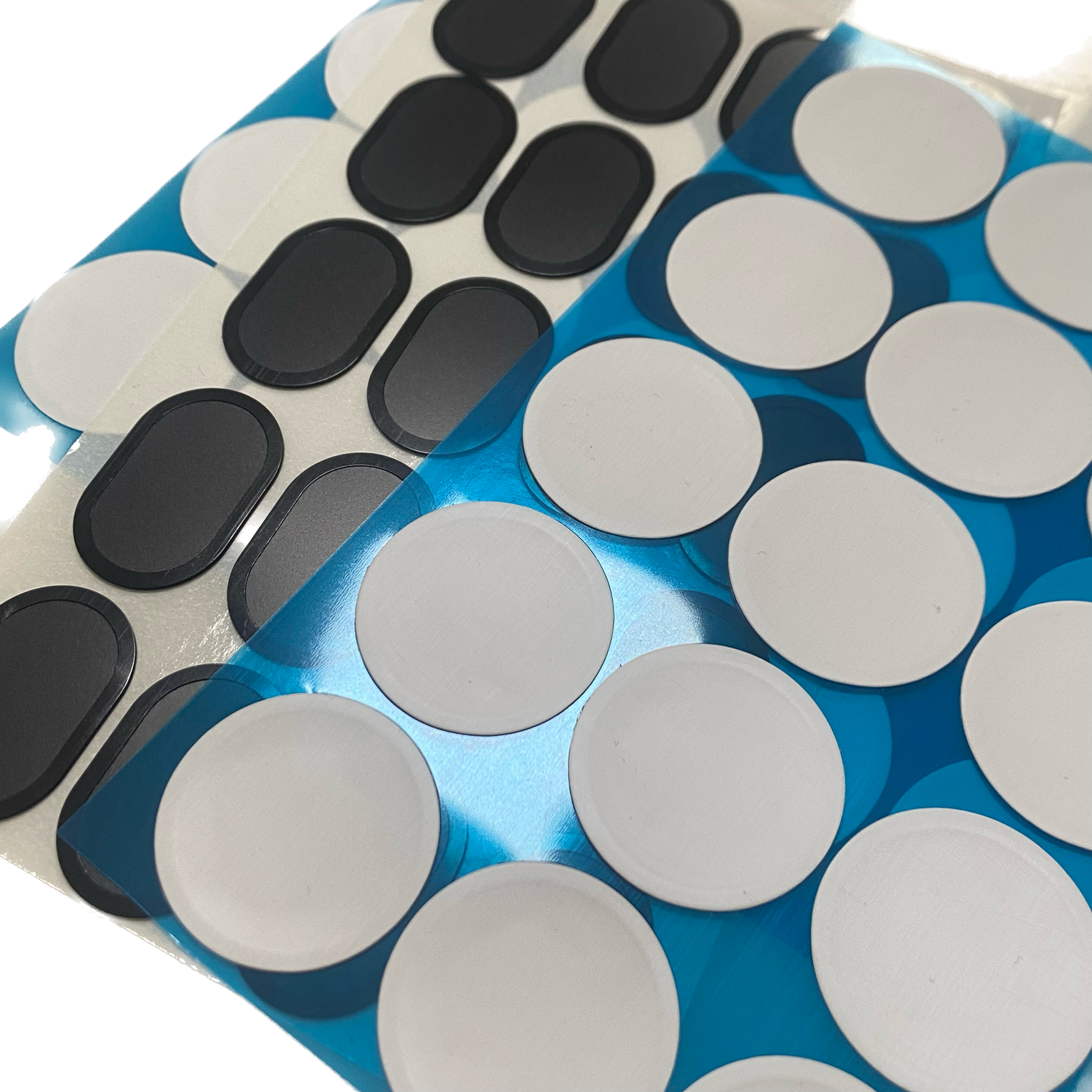
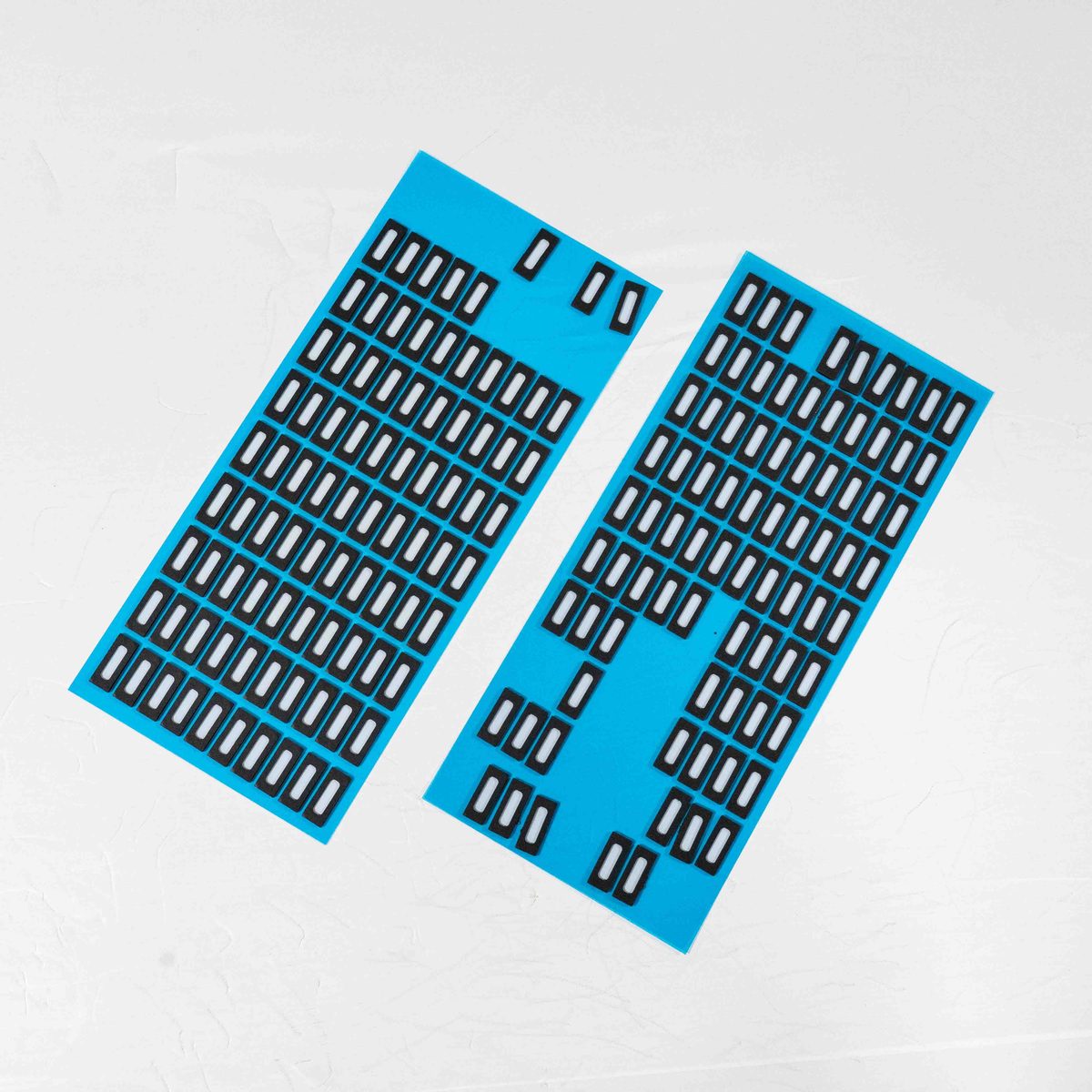
A waterproof breathable membrane is a thin microporous film that blocks liquid water and dust while letting air and water vapor pass through. It keeps sealed electronics vented and pressure-balanced without letting moisture in—the foundation of reliable IP67/IP68 protection for TWS earbuds, wearables, automotive sensors, and outdoor devices.
Breathability & Water-Pressure Capability
| Tier | Breathability (ml/min @ Ø10 mm, 7 kPa) | Water pressure | Typical application |
|---|---|---|---|
| Low breathability (high waterproof) | 200–1,000 | 50–30 m | Deep-water / harsh waterproof; custom per spec |
| Mid (balanced) | 1,000–5,000 | 30–2 m | Automotive / general outdoor; custom per spec |
| High breathability | 5,000–12,000 | 10–1 m | High heat dissipation / low waterproof need; custom per spec |
What Is a Waterproof Breathable Membrane?
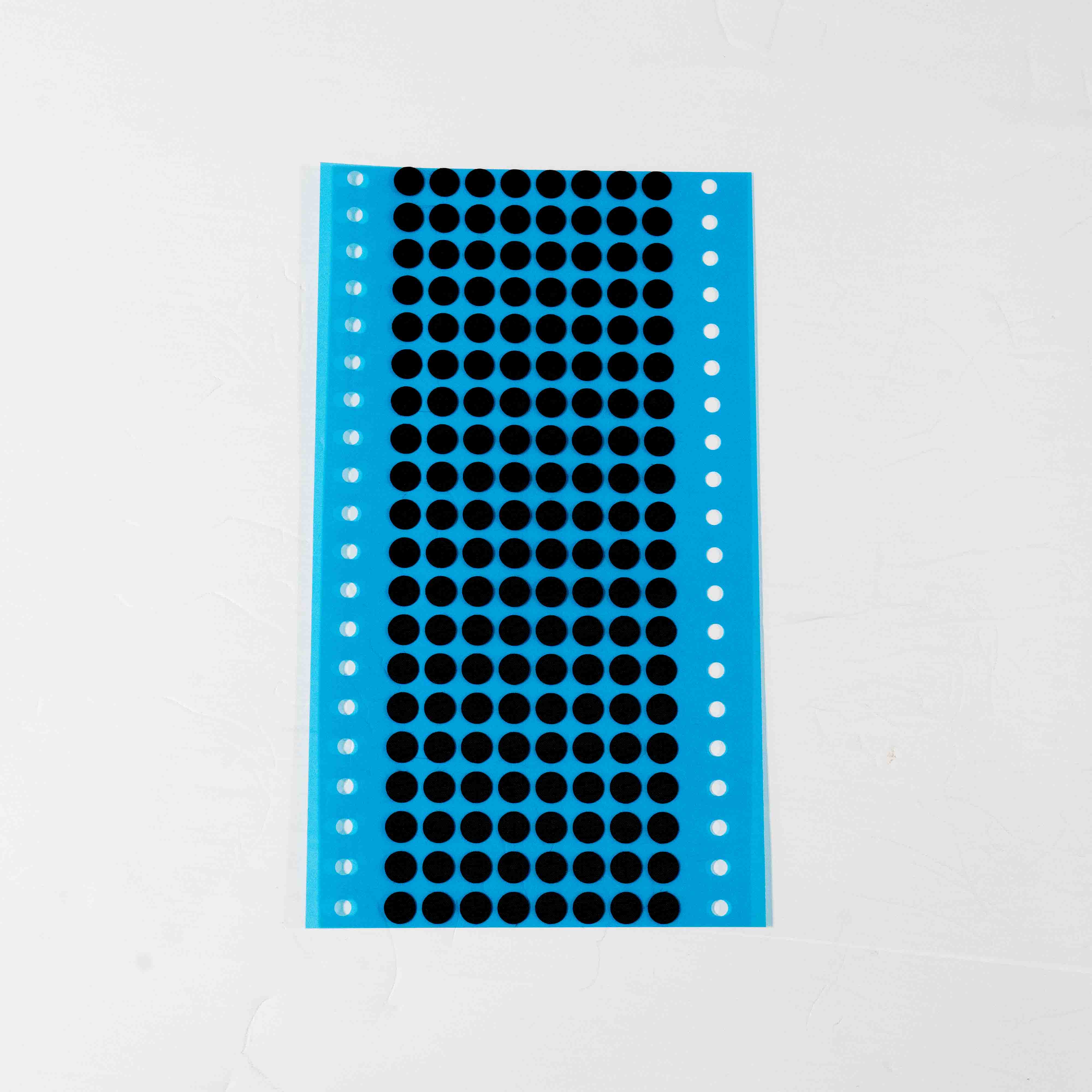
Waterproof breathable membranes are engineered barrier films with pores small enough to stop liquid water (typically 0.1–10 µm) yet large enough for air molecules to diffuse through. This microporous structure delivers three jobs at once: block water, block dust/contaminants, and allow air exchange for pressure equalization. Mimoyin manufactures these membranes from ePTFE, TPU, and PU, then die-cuts them into gaskets, vents, and acoustic components to customer spec.
ePTFE vs TPU vs PU: Material Comparison
Choosing the right base material decides acoustic performance, breathability, and cost. The table below compares the three membranes we produce:
| Property | ePTFE Membrane | TPU Membrane | PU Membrane |
|---|---|---|---|
| Acoustic loss (sound transmission) | ≤ 1 dB (best) | 6–10 dB | 0.5–1.5 dB* |
| Breathability (air permeability) | High — 200–12,000 ml/min @ Ø10 mm, 7 kPa | Medium — 200–2,000 ml/min @ Ø10 mm, 7 kPa (custom per spec) | Medium–Low — 100–1,000 ml/min @ Ø10 mm, 7 kPa (custom per spec) |
| Waterproof rating | Up to 10 m water depth | Up to 5 m water depth | 1–2 m water depth |
| Temperature range | -40°C to +260°C | -30°C to 80°C | -40°C to +120°C |
| Chemical / oil resistance | Excellent | Good | Fair |
| Typical cost | Higher | Medium | Lower |
* Premium acoustic-grade PU film (e.g. tested Japanese sample) measures 0.5–1.5 dB acoustic loss and reaches 1–2 m waterproof depth; low-grade PU can be far higher. Material choice for speaker/mic venting should weigh waterproof depth, chemical and thermal range, and service life — not acoustic loss alone.
Rule of thumb: pick ePTFE when sound must pass cleanly (microphones, speakers) or the environment is harsh; pick TPU for balanced flexibility and cost; pick PU for budget-sensitive, low-acoustic applications.
Key Specifications
- Air permeability: measured in ml/min @ Ø10 mm orifice, 7 kPa — higher values equal faster pressure equalization.
- Waterproof rating: validated by immersion depth (meters of water) and IP67/IP68 ingress tests.
- Operating temperature: -40°C to +260°C for ePTFE grades.
- Pore size: tuned per application to balance waterproofing vs. breathability.
- Thickness: 20–100 µm, die-cut to any shape.
Application Scenarios
TWS Earbuds & Wearable Audio
Breathable vents stop sweat and rain from killing sound while equalizing in-ear pressure. See our TWS waterproof breathable membrane solutions and wearable membrane solutions.
Automotive Electronics
ECUs, sensors, and battery packs need venting that survives -40°C to +260°C and road spray. Explore automotive waterproof breathable membranes.
Industrial IoT & Outdoor Devices
Sealed enclosures in the field rely on breathable vents to prevent condensation and housing deformation. Our PU breathable solutions cover cost-sensitive industrial runs.
How to Choose the Right Membrane
- Define the acoustic need: if sound must pass (mic/speaker), use ePTFE (≤1 dB loss). If purely venting, TPU/PU is fine.
- Set the waterproof target: IP67 (1 m, 30 min) vs IP68 (continuous immersion) sets the membrane grade.
- Calculate air permeability: larger enclosures or bigger temperature swings need higher ml/min @ Ø10 mm orifice, 7 kPa.
- Match the install: adhesive backing, ultrasonic weld, or snap-in retainers.
Our ePTFE selection guide walks through each step with numbers.
Frequently Asked Questions
What is the difference between ePTFE and PTFE?
PTFE is solid Teflon; ePTFE is expanded PTFE stretched into a microporous film. The pores are what make ePTFE breathable while staying waterproof.
Can a waterproof breathable membrane be reused after disassembly?
Generally no—adhesive-backed vents lose seal integrity once removed. Plan for single-use installation.
What air permeability value do I need?
It depends on enclosure volume and expected temperature delta. Our guide and engineers help size it; typical vents range from single to tens of ml/min @ Ø10 mm orifice, 7 kPa.
Does the membrane block RFID or wireless signals?
No. ePTFE/TPU/PU films are dielectric and transparent to RF, Bluetooth, and NFC.
Is ePTFE compatible with ultrasonic welding?
Yes, ePTFE laminates weld cleanly to most plastics used in electronics housings.
Related Membrane Solutions
- ePTFE Waterproof Breathable Membrane (deep dive)
- TPU Waterproof Breathable Membrane
- PU Waterproof Breathable Membrane
- IP67/IP68 Waterproof Membrane Protection
- How Waterproof Membranes Work
- Waterproof Acoustic Vent Membrane (sound-permeable)
- Pressure Equalization Vent Membrane
Technical FAQ: Waterproof Breathable Membranes (ePTFE / TPU / PU)
ePTFE vs TPU vs PU — which waterproof breathable membrane should I choose?
Choose by temperature, breathability, and chemical/water exposure. ePTFE (-40°C to +260°C, 200–12,000 ml/min @ Ø10 mm orifice, 7 kPa) suits harsh environments; TPU (-30°C to +80°C, 200–2,000 ml/min) fits cost-sensitive general use; PU (-40°C to +120°C, 100–1,000 ml/min) is preferred for acoustic applications.
What breathability (air permeability) range do your membranes provide?
200–12,000 ml/min measured at a Ø10 mm orifice under 7 kPa. Higher breathability trades off water-pressure resistance: low tier (200–1,000) resists 50–30 m, mid tier (1,000–5,000) 30–2 m, high tier (5,000–12,000) 10–1 m of equivalent water column.
What waterproof rating do Mimoyin membranes achieve?
IP67 and IP68. ePTFE grades withstand equivalent water pressure up to 50 m depth; we match the membrane to your required water column during sampling and validation.
Can one membrane deliver both high airflow and immersion protection?
Yes. The microporous ePTFE structure lets air pass while blocking liquid water, enabling pressure equalization and acoustic transmission even under IP68 immersion.
How do you match a membrane to my device?
Send your drawing with required breathability, acoustic loss, and water pressure. We select the material, then produce die-cut samples for your validation — we do not sell fixed catalog SKUs.