
ePTFE Waterproof Breathable Membrane Selection Guide
Waterproof Acoustic Membrane – ePTFE Solution for Audio Devices
detailed comparison between ePTFE and TPU
acoustic vent solutions for microphones
IP67/IP68 waterproof protection
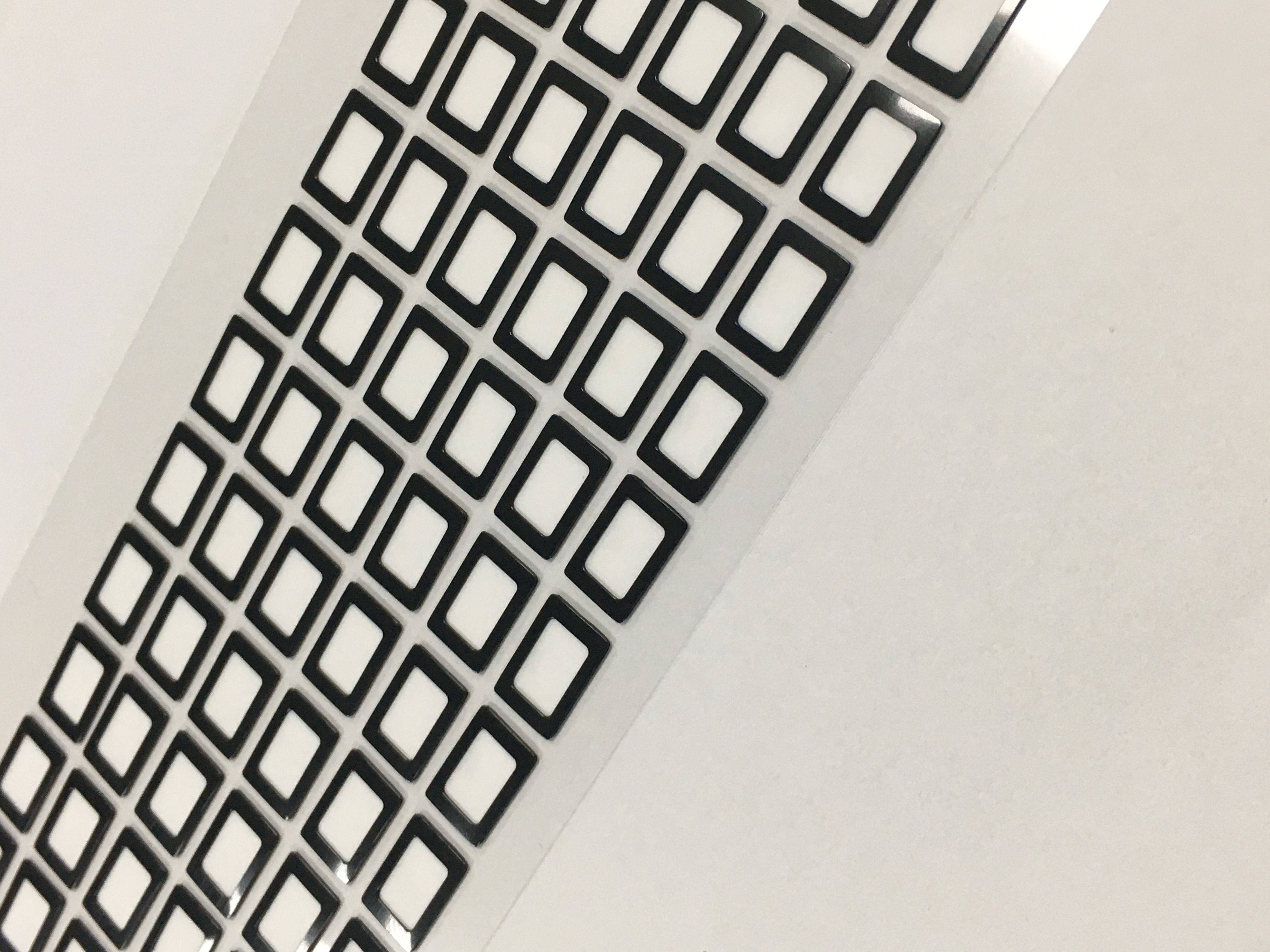
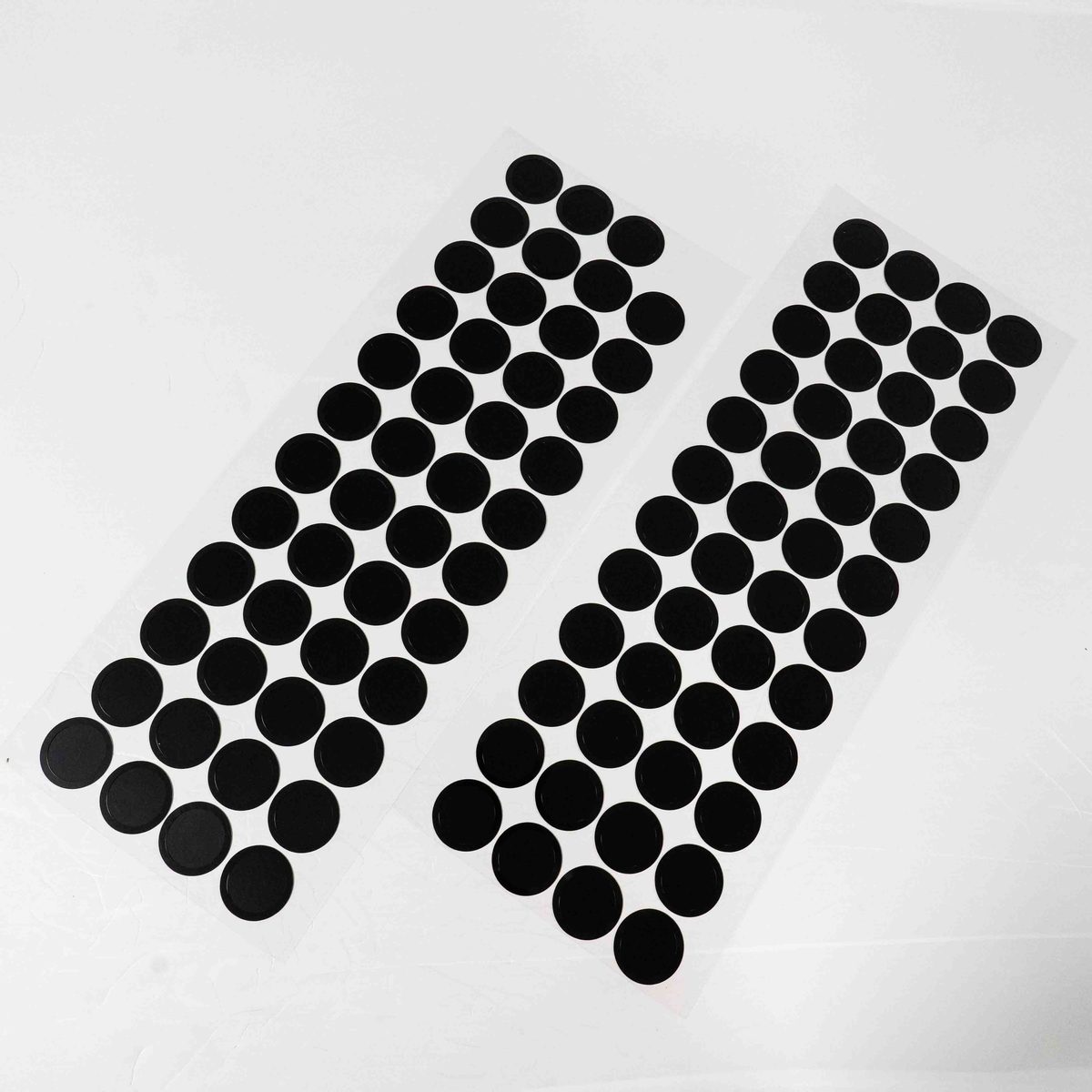
A waterproof acoustic membrane is a microporous ePTFE film that allows sound waves and air to pass through while blocking water, dust and sweat. Our ePTFE acoustic vents are rated IP67 / IP68, provide ≤1dB insertion loss, and are widely used in TWS earbuds, hearing aids, microphones and outdoor speakers.
Compared to sintered PTFE or generic plastic vents, ePTFE offers superior breathability and long-term stability — making it the preferred choice for OEM audio designs.
Choosing the right ePTFE waterproof breathable membrane can make or break the reliability of your electronic device. Whether you are designing a TWS earphone, a smartwatch, an outdoor sensor, or an automotive ECU, the membrane must balance three competing demands: water protection, air pressure equalization, and acoustic performance.
At Shenzhen Mimoyin Technology, we manufacture ePTFE, TPU, and acoustic mesh solutions for brands that export to global markets. This guide explains how to specify an ePTFE membrane so your engineering team and your procurement team speak the same language.
What Is ePTFE and Why Does It Matter?
ePTFE (expanded polytetrafluoroethylene) is a microporous plastic film created by stretching PTFE in a controlled way. The stretching process creates billions of tiny pores, typically 0.1 to 10 microns in size. These pores are small enough to block liquid water and solid particles, yet large enough to let air and water vapor pass through.
This unique structure gives ePTFE three properties that electronics engineers care about:
- Hydrophobicity: Water beads on the surface instead of soaking through.
- Air permeability: Pressure differences inside and outside the housing equalize quickly.
- Chemical stability: The material resists oils, solvents, salt spray, and UV exposure.
When to Choose ePTFE Over TPU
Many buyers ask whether they should use ePTFE or TPU for their waterproof breathable application. The answer depends on your product's operating environment and acoustic requirements.
| Property | ePTFE Membrane | TPU Membrane |
|---|---|---|
| Waterproof rating | IP67 to IP68 typical | IP65 to IP67 typical |
| Airflow / breathability | High | Moderate |
| Acoustic transparency | Excellent above 1 kHz | Good, slightly muffled highs |
| Thickness range | 0.05 mm to 0.30 mm | 0.05 mm to 0.50 mm |
| Best use case | Speakers, microphones, sensors | Back-plate vents, battery housings |
If your device has a speaker or microphone opening, ePTFE is usually the better choice because it preserves sound clarity while blocking water. If you only need a passive vent behind a battery or on a sealed enclosure, TPU can be a cost-effective alternative.
Key Specifications to Request from Your Supplier
When you send an RFQ for ePTFE membranes, include these parameters. A professional supplier should quote against them rather than just saying "IP68 waterproof."
1. Water Entry Pressure (WEP)
WEP measures the pressure at which water forces through the membrane. Typical values range from 30 kPa to over 150 kPa. Higher WEP means better waterproofing but often lower airflow. For IP68 devices, ask for WEP above 50 kPa.
2. Air Permeability
Measured in ml/min @ Ø10 mm orifice, 7 kPa at a given pressure (often 7 kPa or 12 mbar). Values from 50 to 800 ml/min @ Ø10 mm orifice, 7 kPa are common. Fast pressure equalization reduces lens fogging, microphone distortion, and seal stress.
3. Pore Size Distribution
Narrow pore-size distribution improves consistency. Ask for a bubble-point test report or scanning-electron-microscope (SEM) image if your application is critical.
4. Adhesive Backing
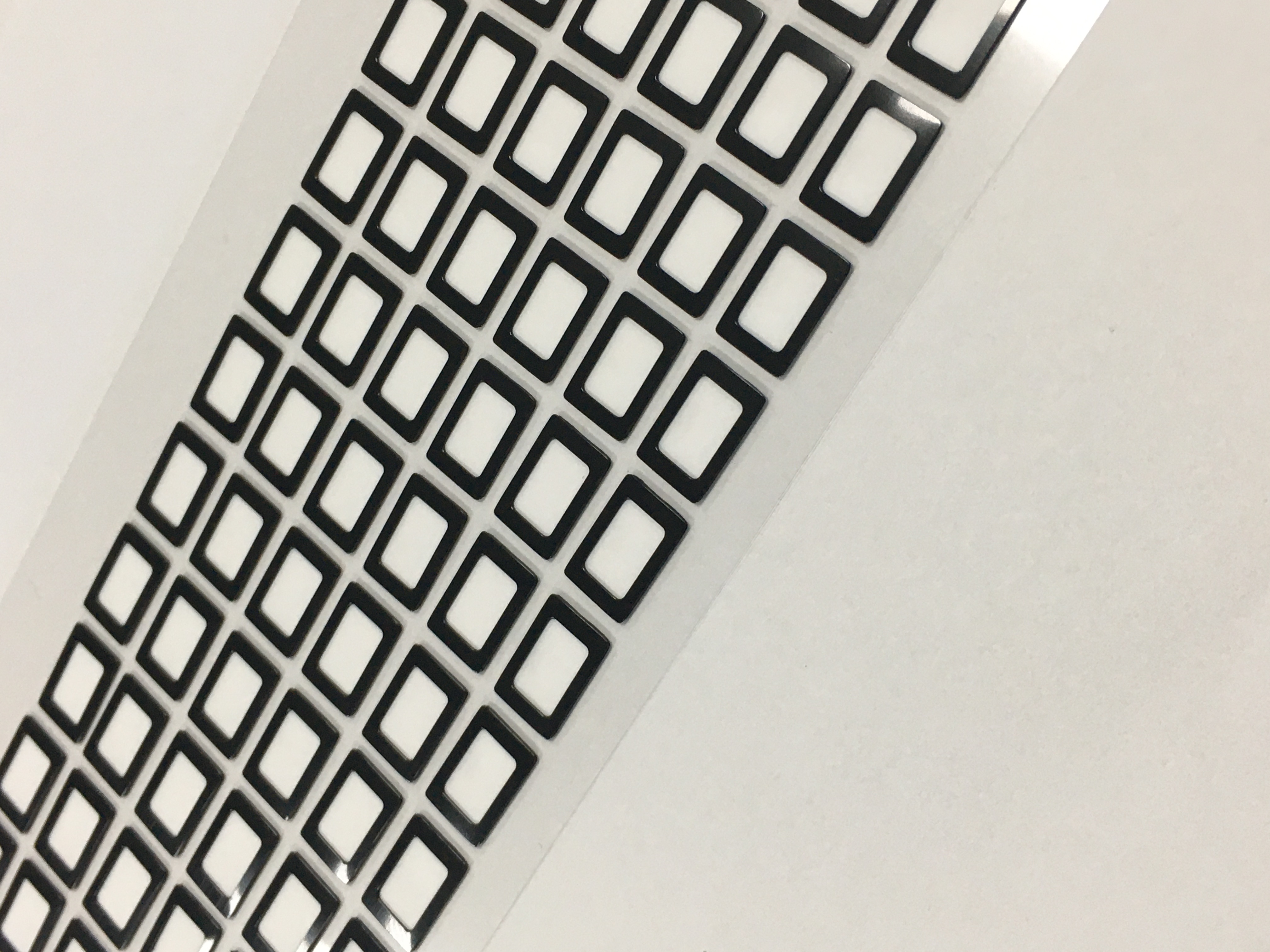
Most ePTFE membranes ship as adhesive-backed discs, rings, or custom die-cuts. Specify the substrate (PET, PP, or mesh carrier), adhesive type (acrylic or silicone), and operating temperature range.
5. Thickness and Dimensional Tolerance
Standard thicknesses are 0.10 mm, 0.15 mm, and 0.20 mm. Tolerance should be within ±0.02 mm for automated pick-and-place assembly.
Application-Specific Recommendations
TWS Earphones
TWS products need acoustic-grade ePTFE over the speaker port and the microphone port. The membrane must pass IPX4 sweat resistance while keeping voice and music clear. We typically recommend a 0.10 mm ePTFE disc with WEP above 30 kPa and airflow above 200 ml/min @ Ø10 mm orifice, 7 kPa.
Smartwatches and Wearables
Wearables combine speaker, microphone, and barometer vents in one small housing. Use a multi-hole ePTFE solution with different airflow rates for each opening. Barometer vents need the highest airflow to keep altitude readings accurate.
Automotive Electronics
Under-hood sensors, taillights, and ECUs face rapid temperature swings and pressure cycling. Choose ePTFE with a wide temperature range, typically -40°C to +150°C, and pair it with a rigid pressure relief vent housing for mechanical protection.
Outdoor Sensors and Cameras
IP66 or IP67 enclosures for outdoor IoT devices benefit from ePTFE because it prevents condensation while keeping dust out. Specify UV-resistant adhesive and salt-spray testing if the device will be deployed near coastlines.
Common Mistakes in ePTFE Specification
- Over-specifying waterproofing: IP68 is unnecessary for every product. IP67 often saves cost while meeting real-world needs.
- Ignoring acoustic loss: A membrane with very high WEP may block high-frequency sound. Always test with your actual speaker.
- Wrong adhesive: Standard acrylic adhesive fails above 80°C. Automotive or outdoor products need silicone or high-temperature acrylic.
- Skipping assembly validation: Membrane performance changes after compression in the housing. Test the final assembled device, not just the loose membrane.
FAQ
Can ePTFE membranes be customized to any shape?
Yes. We die-cut ePTFE into discs, rings, rectangles, and complex contours. Provide a CAD drawing or a physical sample for fastest quoting.
What is the MOQ for custom ePTFE membranes?
MOQ depends on size and material thickness. For common 6 mm and 8 mm discs, MOQ starts at 10,000 pieces. Larger or more complex shapes may require 50,000 pieces to optimize tooling cost.
How do you test waterproof performance?
We use water-entry-pressure testing, bubble-point testing, and real-world IPX7/IPX8 immersion testing according to IEC 60529. Test reports are available on request.
Does ePTFE work with ultrasonic welding?
ePTFE itself does not weld, but it can be supplied on a thermoplastic carrier such as PET or PP that is compatible with heat-staking and ultrasonic insertion processes.
How long does ePTFE last in an outdoor device?
With proper material selection and adhesive, ePTFE can perform for 5 to 10 years outdoors. Salt spray, UV, and thermal cycling are the main aging factors to address during material selection.
Conclusion
Specifying an ePTFE waterproof breathable membrane is not just about picking an IP rating. It requires balancing water-entry pressure, airflow, acoustic transparency, adhesive performance, and assembly method. If you share your product application, housing design, and target IP level, we can recommend a material grade and die-cut format that fits your production line.
Contact Mimoyin for samples, datasheets, or a tailored ePTFE specification for your next project.
Related guide: See the complete Waterproof Breathable Membrane overview for material comparisons, selection criteria, and application design.