
ePTFE Waterproof Breathable Membrane
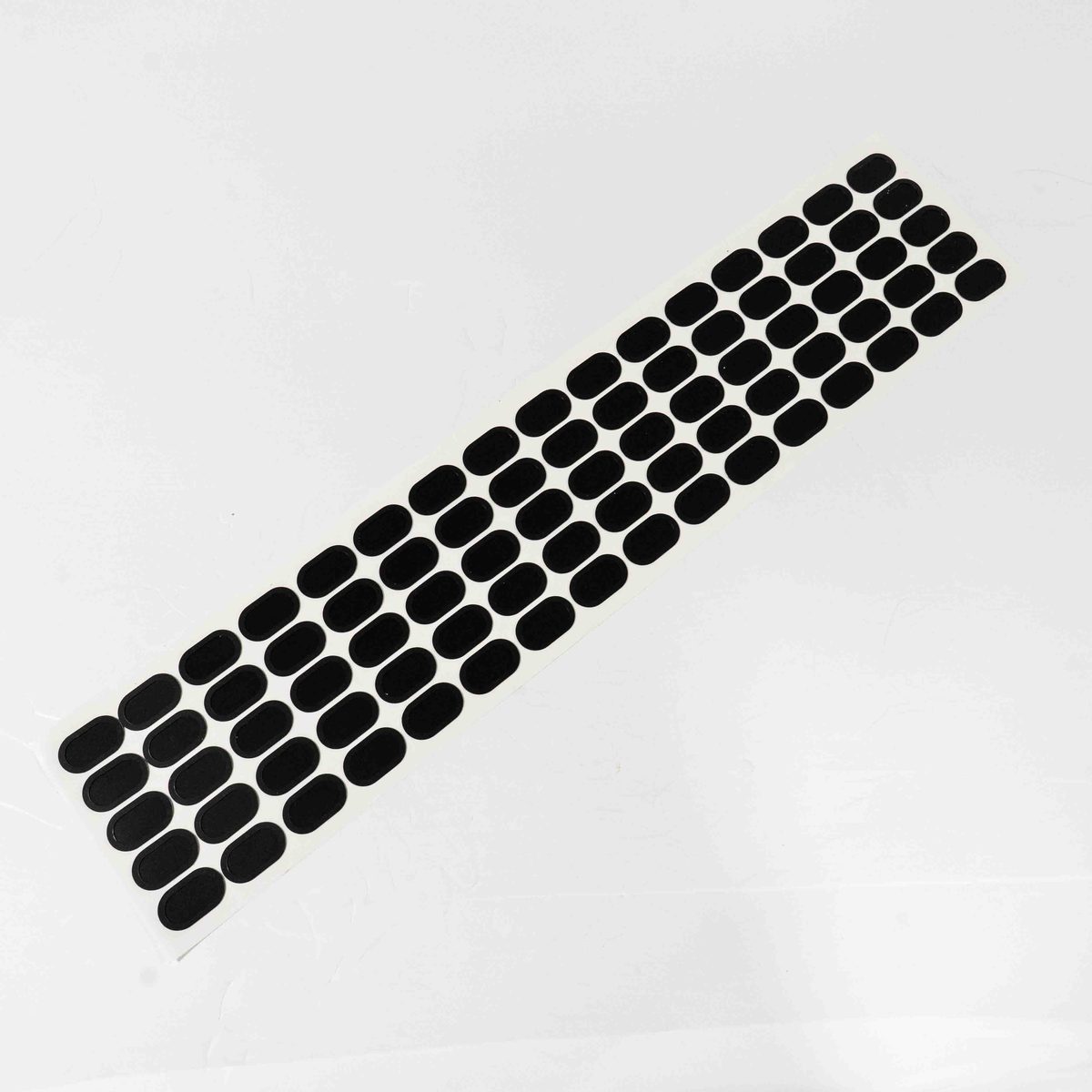
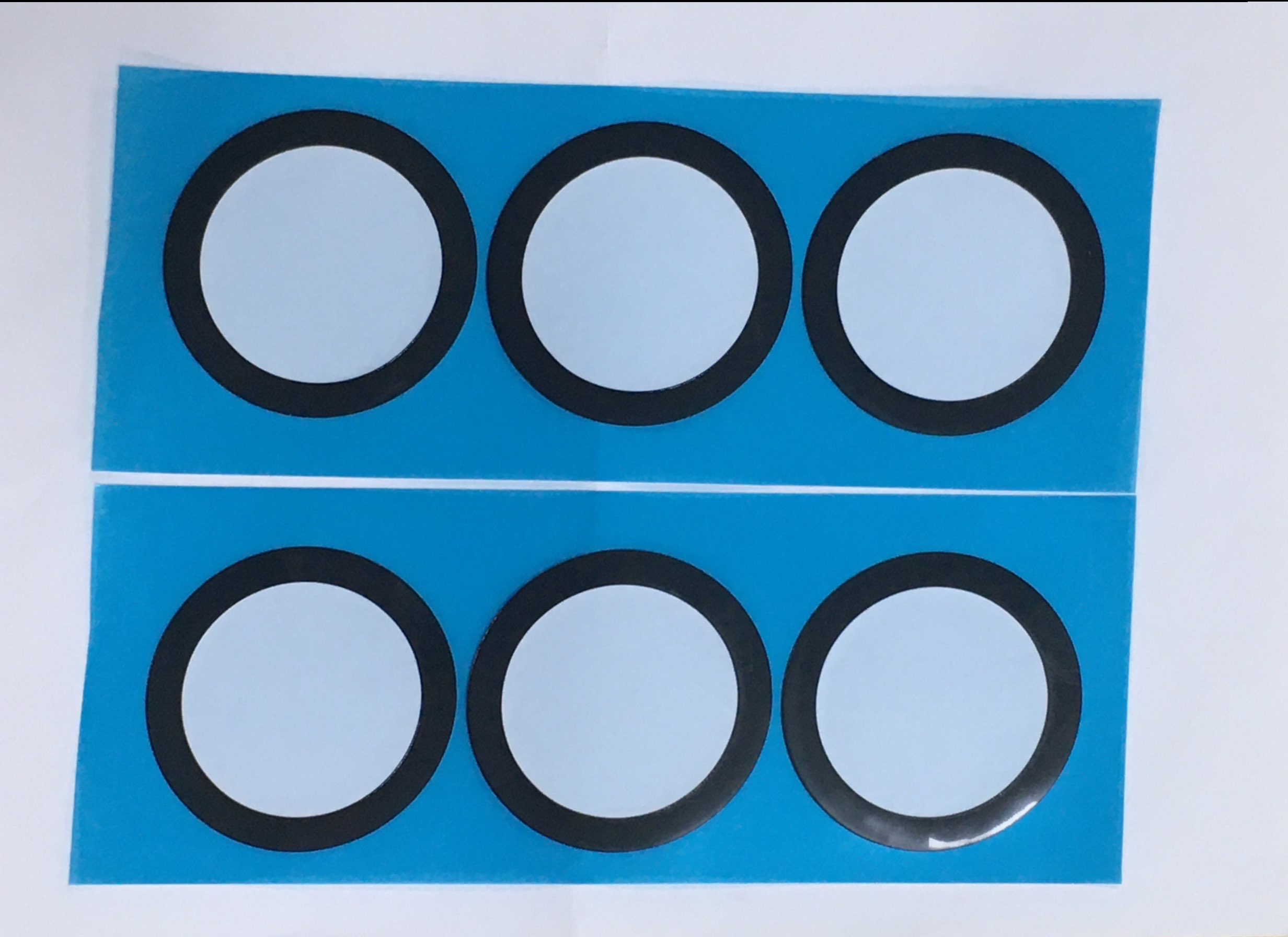
ePTFE waterproof breathable membrane (expanded Polytetrafluoroethylene membrane) is a microporous fluoropolymer film that blocks liquid water, dust, and contaminants while allowing air molecules to pass freely through its microscopic pore structure. At Mimoyin, we manufacture high-strength ePTFE vent membranes specifically engineered for fully sealed electronic enclosures that require long-term pressure equalization and IP68-level protection in harsh outdoor, automotive, and industrial environments.
Unlike standard waterproof coatings or single-use seals, ePTFE membrane is a permanently breathable venting solution. It continuously balances internal and external pressure differences caused by temperature fluctuations, altitude changes, or battery outgassing — eliminating enclosure bulging, preventing seal failure, and stopping condensation from forming inside the housing. For equipment designers and procurement engineers, this means lower field failure rates, reduced warranty claims, and longer product service life.
How ePTFE Waterproof Breathable Membrane Works
The core principle of ePTFE membrane lies in its asymmetric microporous structure. During the biaxial stretching process, PTFE resin is expanded to create a node-and-fibril morphology with pore sizes typically ranging from 0.1 to 1.0 micron. These pores are:
- Small enough to block liquid water (minimum 20–100× larger than water molecule clusters), dust particles (PM2.5 and above), and oil mist
- Large enough to allow air molecules (approximately 0.0004 micron) and water vapor to diffuse through freely
- Chemically inert — the PTFE backbone resists nearly all industrial chemicals, acids, and alkalis
When installed on a sealed enclosure, the membrane creates a controlled venting path. As internal temperature rises (e.g., an automotive ECU heating up in summer sun), internal air pressure increases. Without a vent, this pressure stresses gaskets and seals, eventually causing deformation or ingress. The ePTFE membrane equalizes pressure in seconds to minutes depending on membrane area and air permeability specification, while maintaining a complete barrier against external moisture and contaminants.
Technical Specifications
The following parameters are the most frequently requested by our B2B customers during the component selection process. All values can be customized to match your enclosure volume, operating environment, and certification requirements.
| Parameter | Typical Specification | Custom Range |
|---|---|---|
| Base Material | Expanded PTFE (ePTFE) | ePTFE / Composite with support layer |
| Waterproof Rating | IP67 / IP68 (IEC 60529) | Up to IP69K (high-pressure wash) |
| Air Permeability | 500–3000 ml/min @ 7kPa | 100–5000 ml/min (custom) |
| Operating Temperature | -40°C to +260°C | -40°C to +260°C (special grade) |
| Membrane Thickness | 0.1–0.5 mm | 0.05–1.0 mm (custom) |
| Pore Size | 0.2–0.8 μm (mean flow pore) | 0.1–2.0 μm (application-specific) |
| Oil Repellency | Not applicable (PTFE is oleophobic) | With additional oleophobic treatment |
| Typical Dimensions | Ø6mm / Ø8mm / Ø10mm / Ø12mm | Custom die-cut shapes available |
| Adhesive Option | Acrylic PSA (double-sided) | Silicone / Epoxy / Heat-bonding |
| Typical MOQ | 1000 pcs | 500 pcs (prototype runs) |
Note: All specifications can be tailored. Typical lead time for samples: 3–5 working days; mass production: 7–15 working days after sample confirmation.
Industrial Applications of ePTFE Waterproof Breathable Membrane
Because ePTFE combines chemical inertness, thermal stability, and controlled air permeability, it is widely specified across multiple industries. Below are the most common application scenarios we support:
1. Automotive Electronics
Modern vehicles contain 50–100+ electronic control units (ECUs), sensors, and lighting modules — many mounted externally or under the hood. These components experience extreme temperature swings (-40°C winter start to +85°C engine bay). ePTFE vent membranes are installed on headlamp housings, ABS sensor casings, onboard charging modules (OBC), and battery management system (BMS) enclosures to prevent condensation and pressure-induced seal failure. Learn more about our automotive solutions →
2. TWS Earphones & Wearable Audio
True Wireless Stereo (TWS) earbuds require acoustic venting — the membrane must allow sound waves to pass with <1dB loss while blocking sweat and rain. Our acoustic-grade ePTFE membranes achieve this balance and are specified by multiple wearable brands. View TWS membrane specifications →
3. Industrial Sensors & IoT Devices
Outdoor IoT sensor housings (environmental monitoring, smart agriculture, remote telemetry) are exposed to rain, dust storms, and condensation cycles. ePTFE vents extend device lifetime from 1–2 years to 5–10 years by preventing internal humidity buildup. We supply both standard discs and custom-shaped vents with IP68 rating.
4. Outdoor LED Lighting
LED fixtures generate heat and are often installed in humid or coastal environments. Without pressure equalization, the lens seal fails prematurely, allowing moisture ingress that causes LED color shift and driver corrosion. ePTFE vents are now a standard specification in outdoor lighting designs. See outdoor lighting applications →
5. New Energy & Energy Storage
Lithium-ion battery packs generate gas during charge cycles and are sensitive to moisture ingress. ePTFE vent membranes are used as battery pressure relief vents — they allow controlled outgassing while blocking external water. This application requires especially strict quality control, which Mimoyin provides through 100% air permeability testing.
ePTFE vs TPU vs PU: Which Membrane Should You Choose?
Not all waterproof breathable membranes are suitable for every application. The three most common material options each have distinct strengths:
| Property | ePTFE | TPU (Thermoplastic Polyurethane) | PU (Polyurethane) |
|---|---|---|---|
| Chemical Resistance | Excellent (nearly universal) | Moderate (sensitive to acids/alkalis) | Poor to Moderate |
| Temperature Range | -40°C to +260°C | -30°C to +80°C | -30°C to +70°C |
| Hydrophobicity | Permanent (intrinsic) | Requires coating | Requires coating |
| Acoustic Transparency | Good (with optimized pore structure) | Moderate | Poor |
| Cost | Higher | Medium | Lower |
| Best For | Automotive, harsh chemical, high temp | Consumer electronics, wearables | Low-cost disposable applications |
Read our detailed comparison guide →
Why Choose Mimoyin ePTFE Membrane
- 10+ years of fluoropolymer membrane R&D and production experience
- In-house stretching process — we control pore structure, not a trading company
- 100% air permeability tested — every production lot is sampled and tested
- Custom die-cutting — any shape, any size, adhesive backing options
- Fast response — sample lead time 3–5 days, technical support in English within 24 hours
- Proven supply record — components shipped to automotive Tier 1 suppliers and consumer electronics brands
Frequently Asked Questions
What is the difference between ePTFE and PTFE?
PTFE is the base fluoropolymer resin. ePTFE (expanded PTFE) is created by biaxially stretching PTFE to create a microporous structure with approximately 70–80% porosity. Standard PTFE is non-porous and does not allow air passage; ePTFE is breathable while retaining PTFE's chemical resistance and temperature stability.
Can ePTFE membrane be reused after disassembly?
Generally no. The acrylic PSA (pressure-sensitive adhesive) backing forms a permanent bond upon installation. Removing and reapplying typically results in compromised adhesion and potential contamination of the membrane surface. For prototyping, we recommend ordering separate samples rather than reusing vent discs.
What air permeability value do I need for my enclosure?
Air permeability selection depends on enclosure internal volume, maximum temperature delta, and allowed pressure differential. As a rule of thumb: enclosures under 100ml typically use 200–500 ml/min; 100–500ml enclosures use 500–1500 ml/min; larger enclosures may require 2000+ ml/min. Contact our engineering team for a calculation based on your specific parameters.
Is ePTFE membrane compatible with ultrasonic welding?
Yes. ePTFE membranes can be supplied in roll form or as pre-cut discs compatible with automated assembly lines, including ultrasonic welding processes. We can supply membranes with or without adhesive backing depending on your assembly method.
Does ePTFE block RFID or wireless signals?
No. ePTFE is RF-transparent. It does not interfere with RFID, Bluetooth, Wi-Fi, or cellular signals. This makes it suitable for IoT enclosures with embedded antennas.
What is the typical service life of ePTFE vent membrane?
In outdoor environments without extreme mechanical abrasion, ePTFE membranes maintain functionality for 10+ years. Accelerated aging tests (UV, thermal cycling, salt spray) confirm <5% change in air permeability after 1000 hours of exposure.
What are the advantages of a TPU waterproof breathable membrane vs ePTFE?
TPU is lower-cost, more flexible, and easier to thermo-bond; it suits general outdoor and consumer gear where extreme heat or chemicals are absent.
What temperature range does TPU membrane withstand?
-30°C to +80°C (continuous). For hotter environments choose ePTFE (-40°C to +260°C).
What breathability does TPU membrane provide?
200–2,000 ml/min @ Ø10 mm orifice, 7 kPa. That is the low/mid tier with 30–2 m water resistance.
Where is TPU membrane typically used?
Automotive interior vents, wearables, general outdoor electronics, and cost-sensitive consumer products.
Is TPU membrane customizable?
Yes — custom die-cut shapes and sizes per your drawing, with samples for validation. No fixed catalog SKUs.
Ready to discuss your application? Contact our technical team for material recommendations, samples, and volume pricing. English drawings and specifications available upon request.
Related guide: See the complete Waterproof Breathable Membrane overview for material comparisons, selection criteria, and application design.
Breathability & Water-Pressure Capability
| Tier | Breathability (ml/min @ Ø10 mm, 7 kPa) | Water pressure | Typical application |
|---|---|---|---|
| Low breathability (high waterproof) | 200–1,000 | 50–30 m | Deep-water / harsh waterproof; custom per spec |
| Mid (balanced) | 1,000–5,000 | 30–2 m | Automotive / general outdoor; custom per spec |
| High breathability | 5,000–12,000 | 10–1 m | High heat dissipation / low waterproof need; custom per spec |
Mimoyin does not sell fixed catalog SKUs. For each project we match the membrane material to your drawing and required breathability, acoustic loss, and water pressure, then produce samples for your validation testing.
References & Standards
- IEC 60529 — IP Code (IEC official): the international standard that defines the IP67 / IP68 ratings referenced throughout this site.
- EU RoHS Directive: restriction of hazardous substances for electrical and electronic equipment placed on the EU market.
- EU REACH Regulation: registration, evaluation, authorization and restriction of chemicals.
- US EPA — PFAS: federal guidance on per- and polyfluoroalkyl substances relevant to fluoropolymer choices.
- W. L. Gore & Associates: the originator of expanded PTFE (ePTFE) membrane technology.