
ePTFE Vent Membrane Manufacturer: How to Evaluate and Select the Right OEM Supplier
ePTFE Vent Membrane Manufacturer: How to Evaluate and Select the Right OEM Supplier
Electronics buyers specifying venting for sealed enclosures face a recurring problem: most "waterproof membrane" listings quote a protection grade but never state how the number was measured. A reliable ePTFE vent membrane manufacturer is judged not by a marketing claim, but by whether the material, acoustic performance, and air-permeability figures survive scrutiny under your actual application conditions. This guide walks procurement and engineering teams through what to verify before issuing a purchase order — and how to separate a true OEM supplier from a trading company reselling unspecified film.
What Is an ePTFE Vent Membrane?
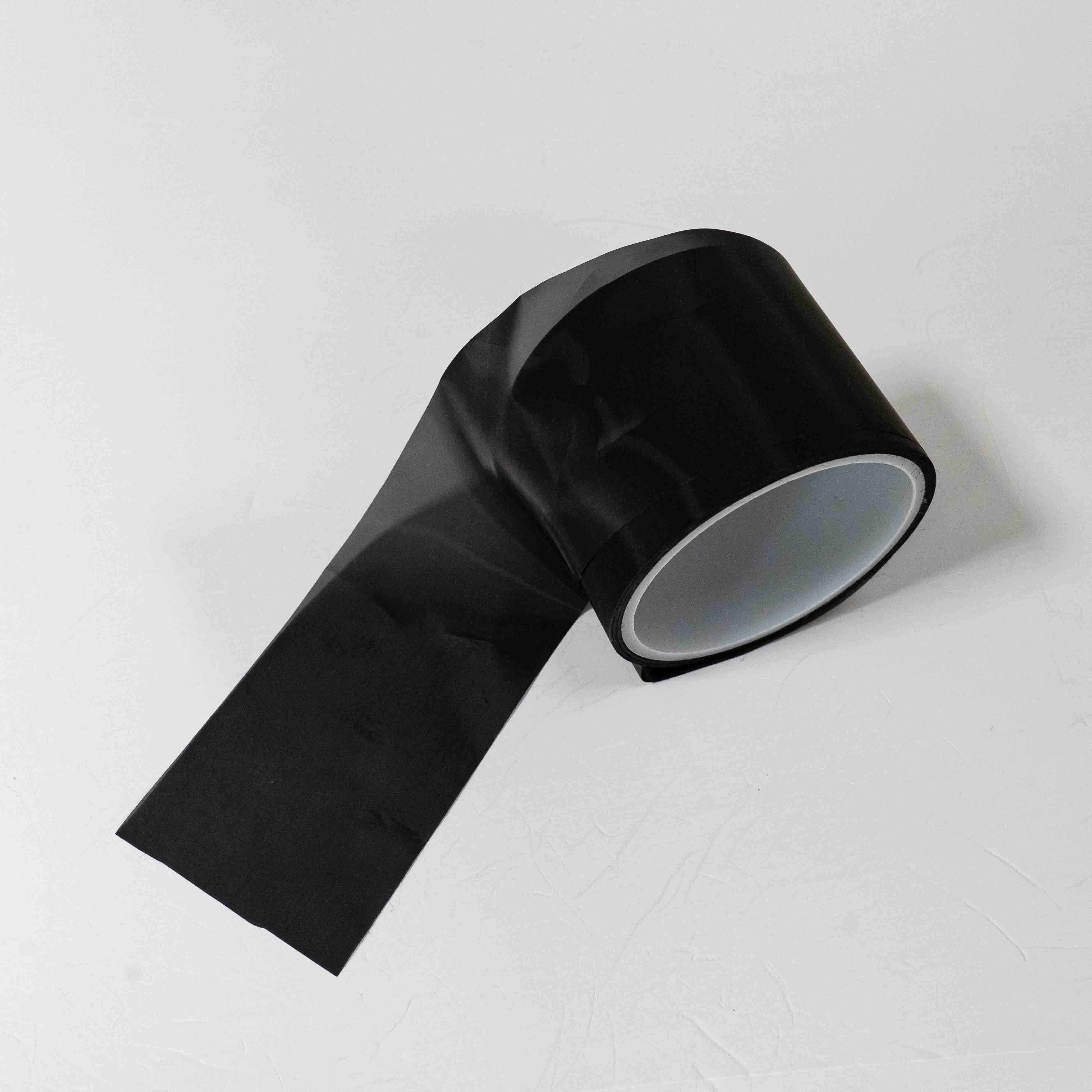
An ePTFE (expanded polytetrafluoroethylene) vent membrane is a microporous film with a node-and-fibril structure that blocks liquid water while letting air pass. In an electronics enclosure it serves three jobs at once:
- Pressure equalization — equalizes the pressure difference that builds when a sealed device moves between temperature or altitude zones, preventing the housing from bulging or the seal from failing.
- Water and dust protection — the microporous structure repels liquid (hydrophobic ePTFE) while meeting IP67/IP68 ingress ratings.
- Acoustic transparency — for speaker and microphone ports, a well-specified acoustic vent passes sound with minimal loss.
Related searches buyers use: "what is a speaker waterproof membrane", "how does an acoustic vent work", "why does a sealed enclosure need a vent membrane". The short answer: without a breathable barrier, a sealed box becomes a pressure vessel that eventually leaks or pops its gasket.
How Does an ePTFE Vent Membrane Work?
The mechanism is physical, not chemical:
- Microporous structure — billions of pores per square centimetre, each smaller than a water droplet but larger than an air molecule.
- Hydrophobic ePTFE — water cannot wet the surface, so it beads off instead of passing through, even under pressure.
- Air permeability — gas molecules diffuse through the pore network, equalizing pressure continuously.
- Acoustic transparency — for acoustic grades, the pore geometry is tuned so sound energy transmits with minimal attenuation.
The single most misunderstood spec is airflow. Breathability is meaningless without test conditions. We measure at a Ø10 mm orifice under 7 kPa differential pressure, expressed in ml/min. The same membrane can read 10× different under different orifice sizes or pressures, which is exactly why unspecified "cc/(cm²·min)" figures in a datasheet should raise a flag.
Key Performance Parameters
A manufacturer's datasheet should state every row below. If it does not, treat the number as unverified.
| Parameter | ePTFE (typical) | Why it matters |
|---|---|---|
| Material | Expanded PTFE (ePTFE) | Chemical inertness, thermal stability |
| Waterproof rating | IP67 / IP68 achievable | Ingress protection for the enclosure |
| Water-column resistance | 2–50 m (grade dependent) | Higher airflow grades trade off head pressure |
| Acoustic loss (acoustic vents) | ≤ 1 dB | Sound passes with minimal attenuation |
| Air permeability | 200–12,000 ml/min @ Ø10 mm orifice, 7 kPa | Must be matched to enclosure volume |
| Thickness | 20–100 µm (application dependent) | Thin for acoustic, thicker for structural venting |
| Continuous temperature | −40 °C to +260 °C | Stable across automotive/industrial cycles |
| Adhesive option | 3M acrylic or non-adhesive (laminated) | Mounting method per housing design |
The airflow-vs-water-pressure trade-off is the core design constraint: lower airflow grades (200–1,000 ml/min) resist 50–30 m water columns; mid grades (1,000–5,000 ml/min) resist 30–2 m; high-airflow grades (5,000–12,000 ml/min) resist only 10–1 m. You cannot maximize both — the right supplier helps you pick the grade, not just sell you the thinnest film.
Applications in Electronics
The same membrane family covers very different enclosure types:
- Automotive electronics — ECUs, sensors, and lighting housings exposed to wash, immersion, and thermal cycling.
- Speakers and microphones — Bluetooth speakers, smart speakers, TWS earbuds, walkie-talkies, where acoustic transparency is mandatory.
- Wearables — smart watches and bands needing both sweat resistance and breathability.
- Battery packs — lithium battery enclosures where pressure relief prevents swelling and rupture.
- Industrial sensors — pressure transmitters, flow meters, gas detectors in harsh environments.
- Outdoor and portable electronics — action cameras, locator tags, shavers.
Each application changes the priority: a speaker port cares about acoustic loss; a battery vent cares about pressure-relief volume; an industrial sensor cares about chemical resistance and temperature.
Why Choose ePTFE Instead of Traditional Waterproof Film?
| Material | Waterproof | Sound transmission | Breathable (airflow) | Temp range |
|---|---|---|---|---|
| ePTFE | ★★★★★ (IP67/68, 2–50 m) | ★★★★★ (≤1 dB loss) | ★★★★★ (200–12,000 ml/min) | −40 ~ +260 °C |
| TPU / PU (acoustic grade) | ★★★★ (1–2 m) | ★★★★ (0.5–1.5 dB quality grade) | ★★ | lower ceiling than ePTFE |
| Silicone | ★★★★★ | ★★ | ✕ (non-breathable) | moderate |
ePTFE leads on the combination of breathability and acoustic performance. Note the nuance: a quality acoustic-grade PU film can approach ePTFE on sound loss (0.5–1.5 dB), but it cannot match ePTFE's temperature ceiling or high water-column resistance, and generic TPU sheet film performs poorly on acoustic transmission. Non-fluorine film typically shows 6–10 dB loss and only −40 ~ 120 °C — acceptable for low-spec parts, not for automotive or industrial.
Custom OEM and Die-Cut Solutions
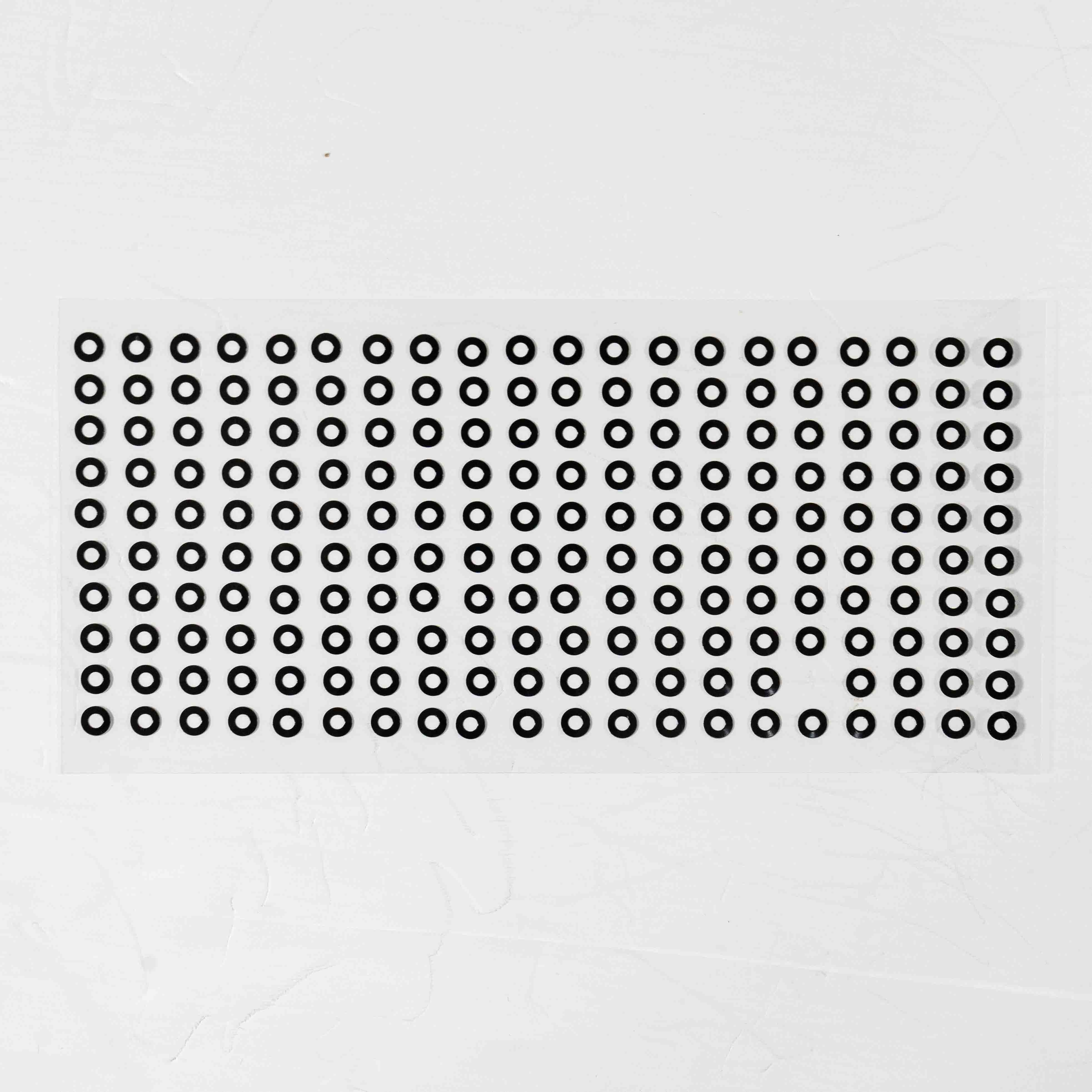
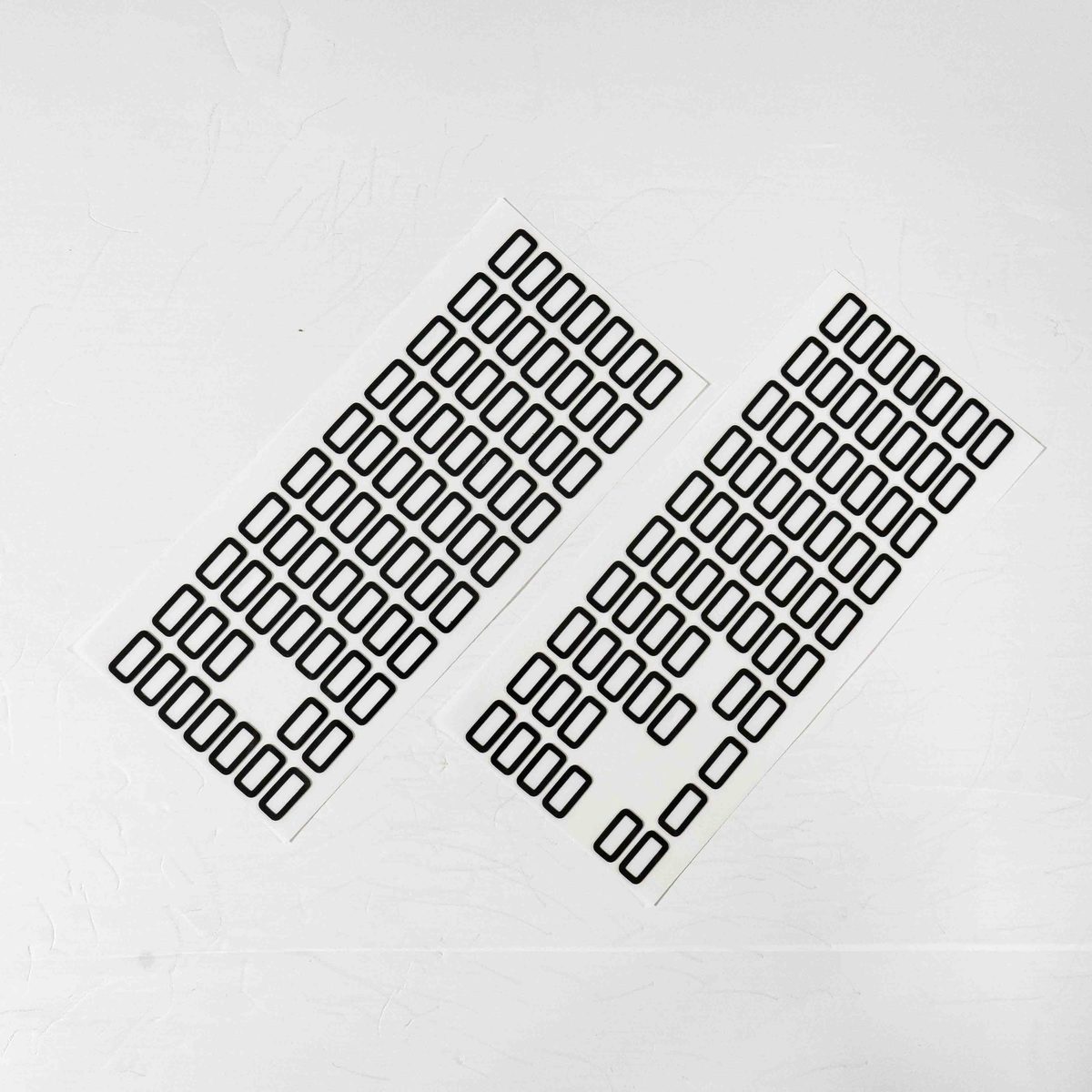
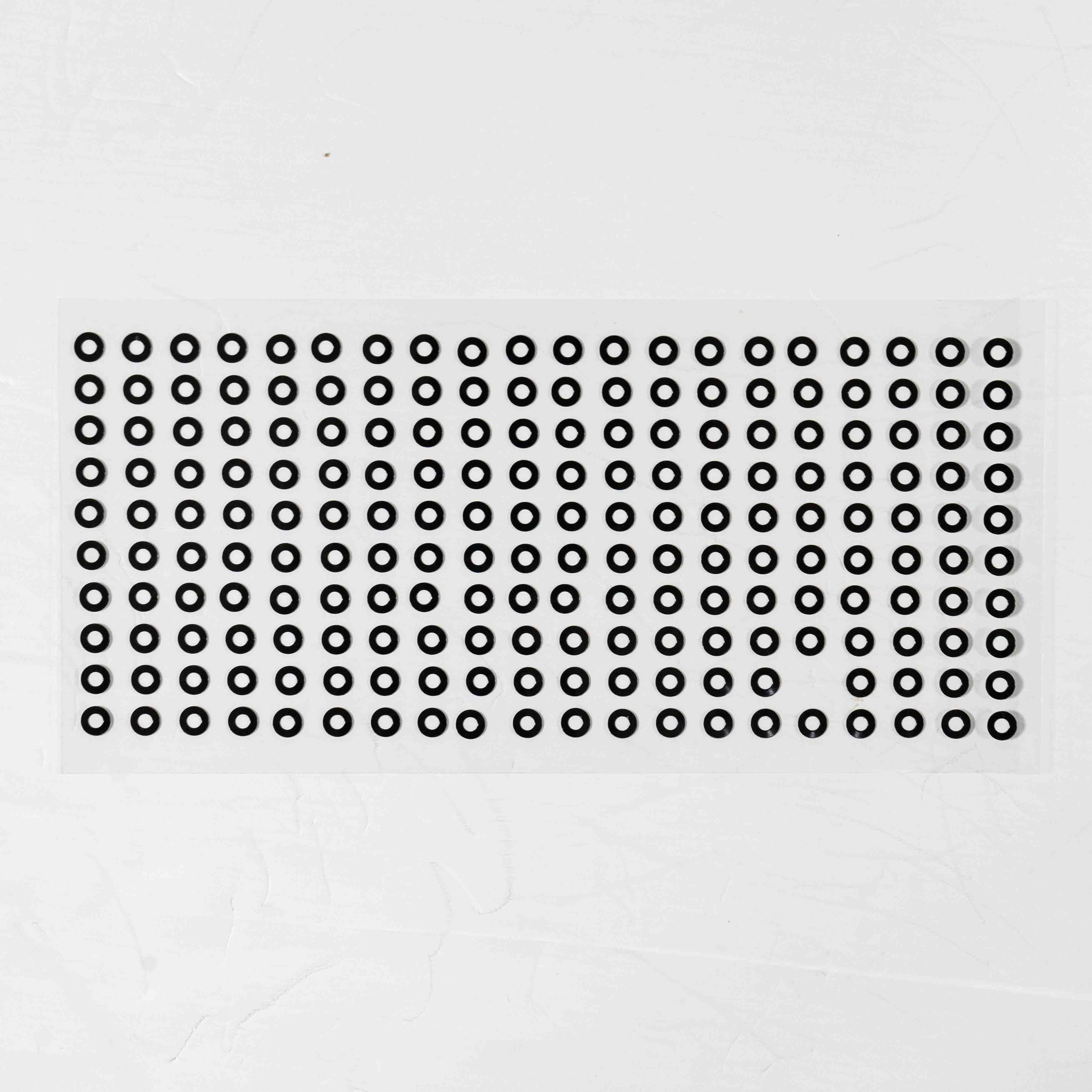
Vent membranes are not standard e-commerce parts. A credible manufacturer works to your drawing: custom thickness, diameter, adhesive, and die-cut shape, then validates against your enclosure. Typical engagement:
- Submit enclosure drawing or target specifications (port size, required IP rating, acoustic target).
- Manufacturer recommends a grade and produces samples.
- Sampling lead time is commonly 3–5 days; mass production 7–15 days after approval, with MOQ defined per specification.
This "custom per spec" model is why a trading company with a fixed catalogue is a poor fit for engineered enclosures — you need the film house that can tune the grade, not resell a generic roll.
How to Select an ePTFE Vent Membrane Manufacturer
This is the part that actually protects your program. Evaluate a supplier on:
- Material capability — do they control the ePTFE expansion process, or just convert film they bought? In-house expansion means they can tune pore structure.
- Acoustic testing — ask for sound-loss measurement method (anechoic chamber, dB at specified frequency). A vendor quoting "≤1 dB" with no test rig is guessing.
- Waterproof testing — request the water-column or IP test method and the exact grade it applies to.
- Air-permeability method — confirm it is stated with orifice diameter and differential pressure (Ø10 mm @ 7 kPa, ml/min). Unspecified airflow is unverifiable.
- Mass-production ability — cleanroom lamination, die-cutting tolerance, batch consistency, and traceability.
- Custom tooling — can they build the die and jig for your shape without a large NRE?
- Certifications and documentation — RoHS/REACH, material declarations, and lot-level test reports.
A manufacturer that answers all seven with documents is worth more than one offering the lowest unit price with a vague datasheet.
FAQ
Q1: What is the best waterproof membrane for electronics enclosures? A: For enclosures needing both breathability and protection, ePTFE vent membrane is the standard choice because it equalizes pressure while meeting IP67/IP68 and (on acoustic grades) transmits sound with ≤1 dB loss.
Q2: Can ePTFE acoustic vents achieve IP68? A: Yes. With the correct grade and enclosure design, ePTFE acoustic vents reach IP67/IP68. The achievable water column depends on the airflow grade — higher airflow trades off head-pressure resistance.
Q3: Do you provide OEM and custom die-cut ePTFE membrane solutions? A: Yes. Thickness, diameter, adhesive, and die-cut shape are produced to customer specification, with samples typically turned around in 3–5 days before mass production.
Q4: How is air permeability measured, and why does it matter? A: We measure at a Ø10 mm orifice under 7 kPa differential pressure, reported in ml/min (typical range 200–12,000). This figure, not a unit-less "breathable" claim, determines how fast your enclosure equalizes pressure.
Q5: ePTFE vs TPU — which should I specify? A: Choose ePTFE when you need the full combination of breathability, acoustic transparency, and −40 ~ +260 °C stability. Choose a quality acoustic-grade PU/TPU only when the application is low-pressure and temperature-limited and cost is the priority.
Request Samples for Your Enclosure
Specifying the right vent membrane is faster with real parts in hand. Request ePTFE vent membrane samples for your enclosure project — send your port size, target IP rating, and acoustic requirement, and we will recommend a grade and ship evaluation pieces.
Related reading:
- Pressure Equalization Vent Membrane
- Waterproof Breathable Membrane
- Acoustic Vent Membrane
- ePTFE vs TPU Membrane Comparison
- MEMS Microphone Waterproof Vent