
Custom Die Cut ePTFE Membrane: OEM Manufacturing Guide for Electronics
Custom Die Cut ePTFE Membrane: OEM Manufacturing Guide for Electronics
When an enclosure design moves from prototype to production, the vent membrane has to become a precise, repeatable part — not a square of film someone trimmed by hand. Custom die-cut ePTFE membrane is the manufacturing step that turns a microporous sheet into a shaped component with a defined outer diameter, adhesive backing, and placement tolerance that matches your port. This guide explains what the process involves, which specifications actually matter, and how to evaluate a die-cut supplier before committing to a production run.
What Is Custom Die-Cut ePTFE Membrane?
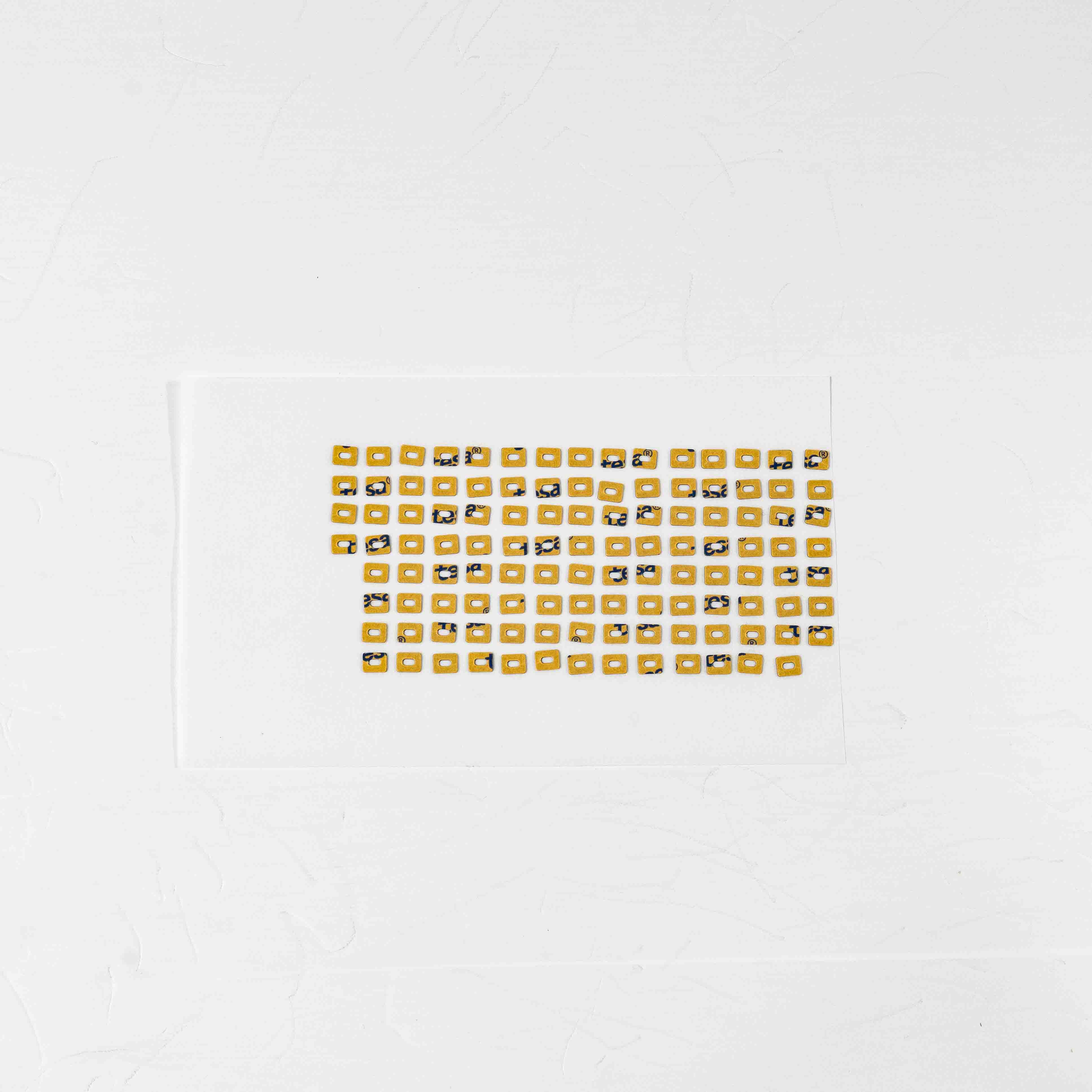
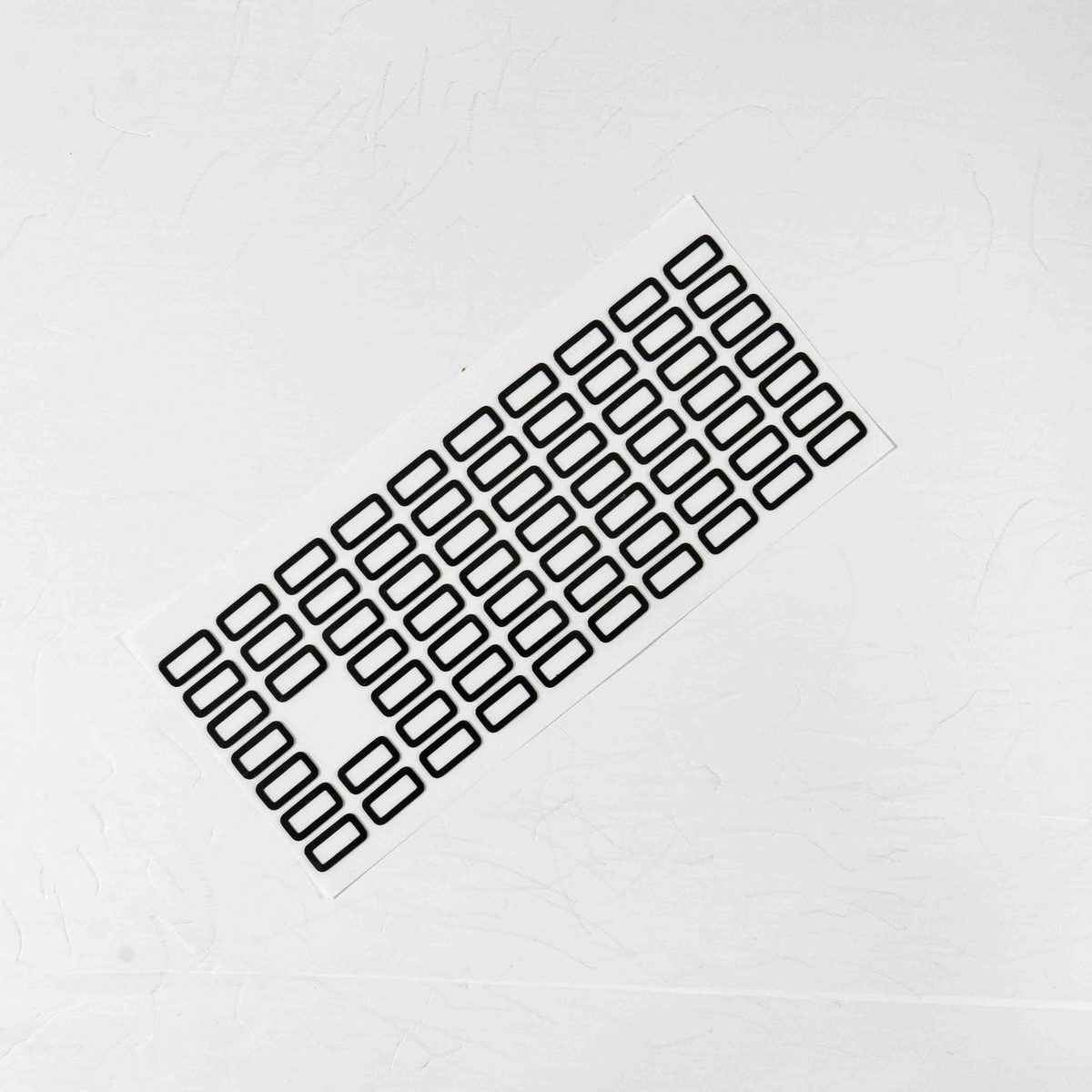
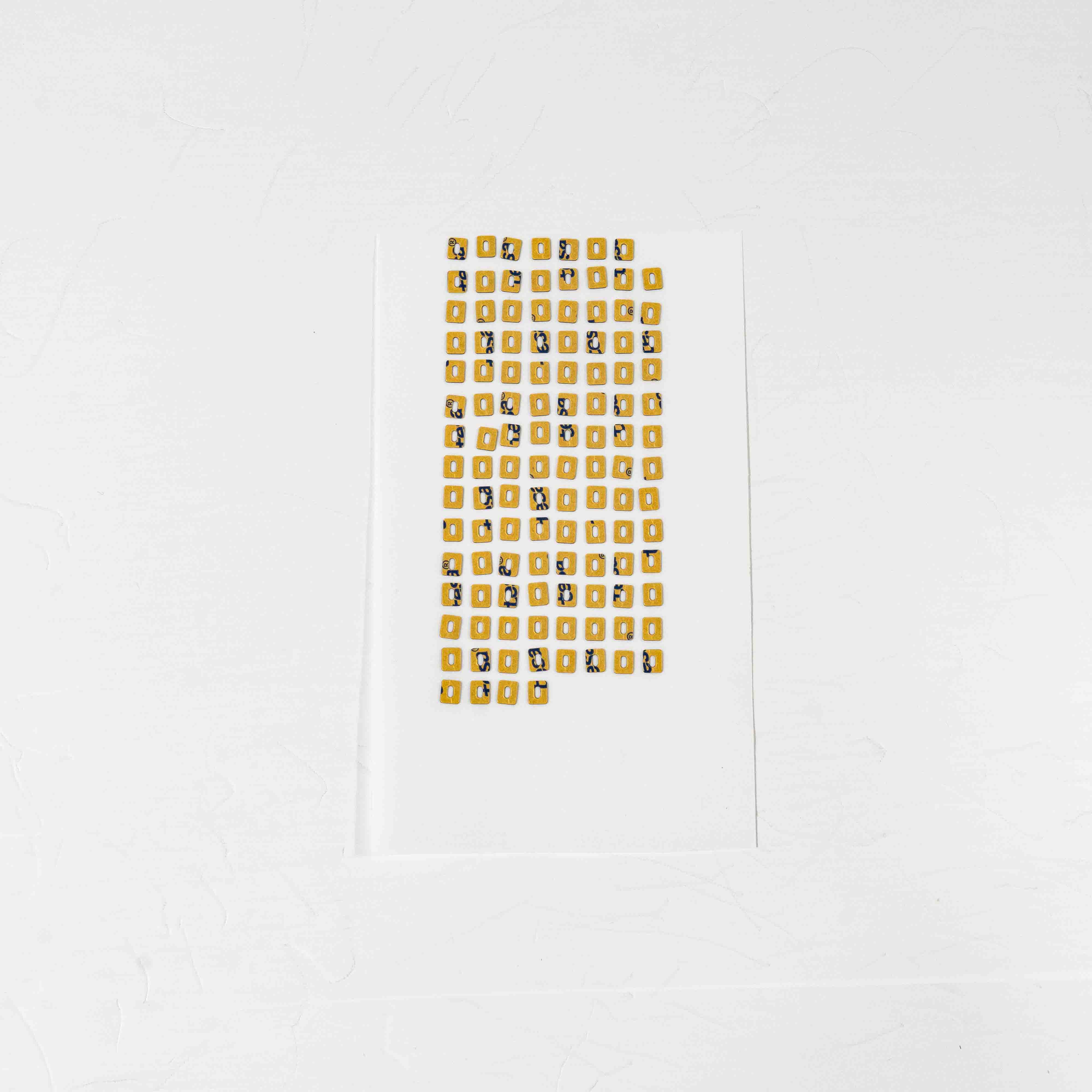
Die-cutting is the conversion of roll or sheet ePTFE vent material into finished shapes using a hardened steel rule or rotary die. For electronics, the output is typically:
- A disc or gasket sized to the speaker, microphone, sensor, or battery port.
- A pressure-sensitive adhesive (PSA) backing (commonly 3M acrylic) for direct mounting to the housing.
- Optional lamination to a support ring or carrier for automated placement.
The membrane itself retains its ePTFE properties — hydrophobic, breathable, thermally stable — while the cut defines how it fits the device. For acoustic ports the cut must be clean: no burr or fuzz that could partially block the pore network and raise sound loss.
How the Die-Cut Process Works
A credible manufacturer runs a controlled conversion line:
- Die tooling — a steel-rule or laser-hardened die is built to your shape and diameter. Tooling is the fixed cost (NRE) that defines repeatability.
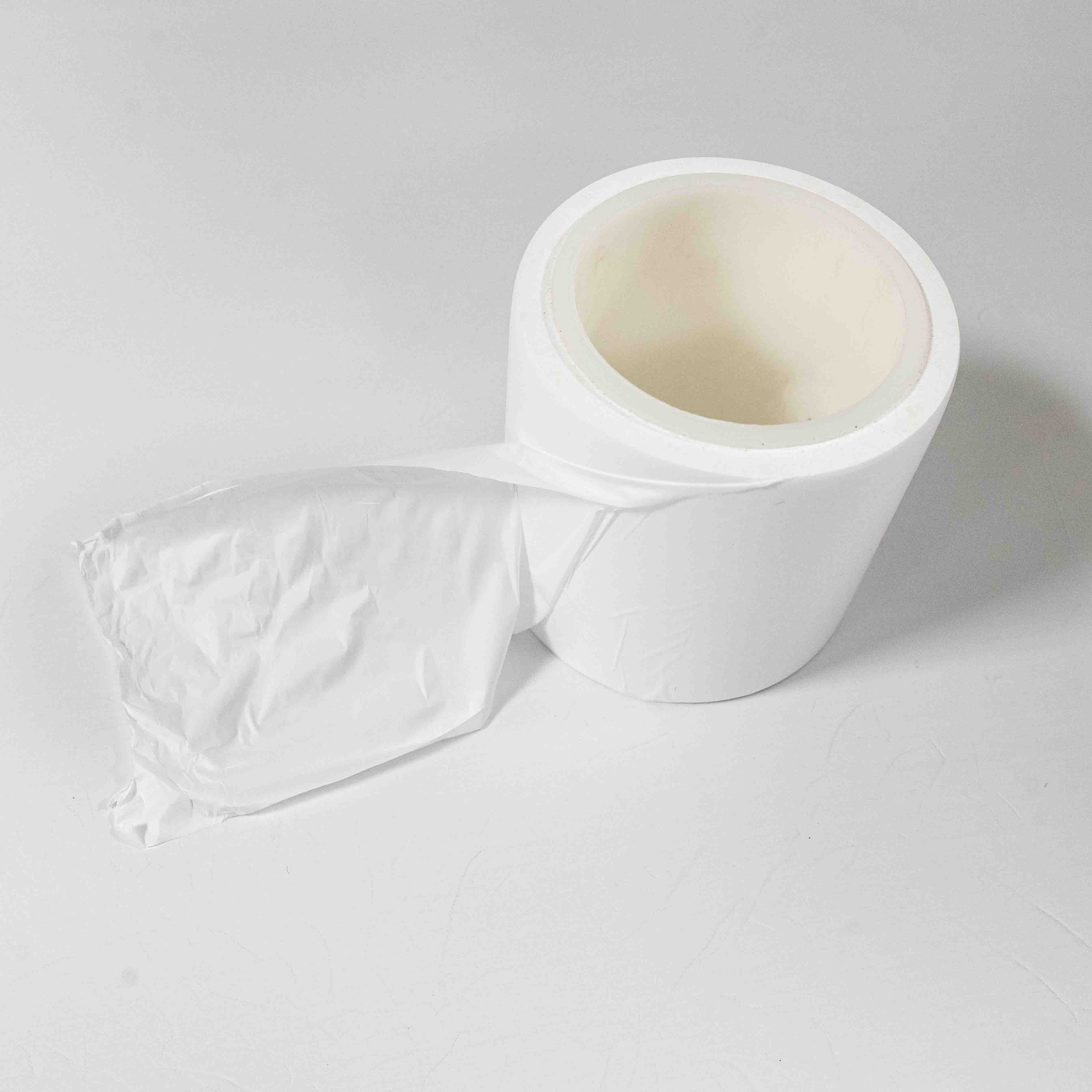
- Feeding and cutting — the ePTFE web or sheet is fed through the press; rotary dies suit high-volume reels, platen presses suit lower volumes and multi-layer lamination.
- Adhesive lamination — PSA is laminated in-line or as a separate step, then the combined stack is cut in one stroke so the membrane and adhesive register exactly.
- Inspection and packing — parts are checked for dimensional tolerance, then packed in clean or anti-static conditions.
The differentiator between a converter and a membrane specialist is whether the supplier also controls the ePTFE expansion. A house that makes the film can tune pore structure for your acoustic or pressure target; a pure converter is limited to whatever roll it bought.
Key Manufacturing Parameters
These are the figures to lock in a drawing or purchase spec:
| Parameter | Typical range / note |
|---|---|
| Base material | Expanded PTFE (ePTFE), hydrophobic |
| Thickness | 20–100 µm (acoustic vents thinner; structural vents thicker) |
| Part diameter / shape | Per customer drawing; discs, rings, rectangles, custom contours |
| Cutting tolerance | Depends on die and material; tight tolerance on acoustic ports |
| Adhesive | 3M acrylic PSA or non-adhesive (laminated to carrier) |
| Water-column resistance | 2–50 m (ePTFE grade dependent) |
| Acoustic loss (acoustic grades) | ≤ 1 dB |
| Air permeability | 200–12,000 ml/min @ Ø10 mm orifice, 7 kPa |
| Continuous temperature | −40 °C to +260 °C |
| Cleanliness | Cleanroom conversion available for sensitive assemblies |
Air-permeability must be stated with test conditions. We report airflow at a Ø10 mm orifice under 7 kPa, in ml/min. A die-cut shape changes the effective open area, so the same film reads differently once cut — the supplier should validate the finished part, not just the raw roll.
Applications Across Electronics
Die-cut ePTFE membranes appear wherever a sealed housing needs a shaped breathable port:
- Speakers — Bluetooth, smart, and outdoor speakers needing a clean acoustic disc with adhesive.
- Microphones and earpieces — TWS earbuds, walkie-talkies, headsets where low acoustic loss matters.
- Wearables — smart watches and bands requiring small, thin, sweat-resistant vents.
- Battery packs — lithium cells and modules needing pressure-relief vents cut to the pack layout.
- Industrial sensors — pressure transmitters, flow meters, gas detectors in harsh duty.
- Automotive electronics — ECUs, lighting, and sensor housings exposed to thermal and wash cycles.
Each use changes the priority: a speaker disc cares about edge cleanliness and acoustic loss; a battery vent cares about relief area and seal integrity.
Why Custom Die-Cut Instead of Off-the-Shelf Film
| Factor | Custom die-cut part | Off-the-shelf sheet |
|---|---|---|
| Fit to port | Exact shape and diameter | Manual trimming, inconsistent |
| Adhesive registration | Laminated in one stroke | Applied separately, misalignment risk |
| Acoustic performance | Validated on finished part | Unknown after field cutting |
| Production repeatability | Die-defined, batch consistent | Operator-dependent |
| Assembly speed | Pick-and-place ready | Extra handling step |
For prototypes, hand-cut film is fine. For production, the cost of one misregistered vent (leak, acoustic defect, rework) exceeds the die-tooling cost quickly. Custom die-cutting is the step that makes the membrane a component rather than a material.
ePTFE vs Other Die-Cut Membranes
The base film choice still governs performance after cutting:
- ePTFE — best combination of breathability, acoustic transparency (≤1 dB on acoustic grades), and −40 ~ +260 °C stability; water column 2–50 m by grade.
- Acoustic-grade PU/TPU — sound loss 0.5–1.5 dB on quality grades, but lower temperature ceiling and only 1–2 m water resistance; acceptable for low-spec, cost-sensitive parts.
- Non-fluorine film — typically 6–10 dB acoustic loss and −40 ~ 120 °C; not for automotive or industrial.
Die-cutting does not change these material limits — it only shapes them. Specify the film grade first, then the cut.
OEM / ODM Engagement Process
Vent membranes are produced custom per specification, not pulled from a standard catalogue. A typical engagement:
- Submit your enclosure drawing or target spec: port size, required IP rating, acoustic target, adhesive requirement.
- Manufacturer recommends an ePTFE grade and a die approach.
- Sampling: prototype parts cut to drawing, typically turned around in 3–5 days.
- Validation: you test fit, acoustic loss, and ingress on the actual housing.
- Mass production: after approval, 7–15 days lead time, with MOQ defined per specification and tooling amortized across the run.
Because tooling is reusable, volume runs drop the per-part cost substantially once the die exists.
How to Select a Die-Cut Membrane Supplier
Evaluate on capability, not price alone:
- In-house ePTFE control — can they expand the film, or only convert bought roll? In-house control means they can tune the grade.
- Tolerance and burr control — ask for edge-quality data on acoustic parts; fuzzy edges raise sound loss.
- Lamination and registration — confirm adhesive and membrane cut in one stroke for exact registration.
- Cleanroom conversion — required for medical, automotive, and high-reliability assemblies.
- Dimensional inspection — do they measure finished-part diameter and verify against drawing?
- Tooling and NRE — transparent die cost, reusable across reorders.
- Documentation — lot-level material declaration, RoHS/REACH, and test reports.
A supplier answering all seven with records is lower total risk than the cheapest converter with a vague datasheet.
FAQ
Q1: What is custom die-cut ePTFE membrane used for? A: It is a shaped, adhesive-backed breathable vent for sealed electronics — speakers, microphones, sensors, battery packs, and wearables — cut to the exact port size so it fits and seals without manual trimming.
Q2: Can die-cut ePTFE membranes keep IP67/IP68? A: Yes. With the correct ePTFE grade and enclosure design, die-cut acoustic and vent membranes meet IP67/IP68. Achievable water column depends on the airflow grade.
Q3: What is the typical sampling and production lead time? A: Sampling is commonly 3–5 days after the drawing is received; mass production runs 7–15 days after approval, with MOQ set per specification.
Q4: How is air permeability specified for a cut part? A: We measure the finished part at a Ø10 mm orifice under 7 kPa differential pressure, reported in ml/min (typical range 200–12,000). This reflects the actual cut area, not just the raw roll.
Q5: ePTFE or PU for a die-cut acoustic vent? A: Choose ePTFE for the full combination of breathability, ≤1 dB acoustic loss, and −40 ~ +260 °C stability. Choose acoustic-grade PU only when the part is low-pressure, temperature-limited, and cost-driven.
Request Die-Cut Samples for Your Drawing
Sending a drawing gets you further than sending a specification. Request custom die-cut ePTFE membrane samples — share your port diameter, adhesive requirement, IP target, and acoustic limit, and we will cut evaluation parts to your drawing and ship them for fit and performance testing.
Related reading:
- ePTFE Vent Membrane Manufacturer Guide
- Pressure Equalization Vent Membrane
- Acoustic Vent Membrane
- ePTFE vs TPU Membrane Comparison
- MEMS Microphone Waterproof Vent