
ePTFE vs TPU Membrane | Waterproof Breathable Film Comparison Guide
ePTFE vs TPU Membrane: Complete Comparison Guide
Breathability & Water-Pressure Capability
| Tier | Breathability (ml/min @ Ø10 mm, 7 kPa) | Water pressure | Typical application |
|---|---|---|---|
| Low breathability (high waterproof) | 200–1,000 | 50–30 m | Deep-water / harsh waterproof; custom per spec |
| Mid (balanced) | 1,000–5,000 | 30–2 m | Automotive / general outdoor; custom per spec |
| High breathability | 5,000–12,000 | 10–1 m | High heat dissipation / low waterproof need; custom per spec |
Mimoyin does not sell fixed catalog SKUs. For each project we match the membrane material to your drawing and required breathability, acoustic loss, and water pressure, then produce samples for your validation testing.
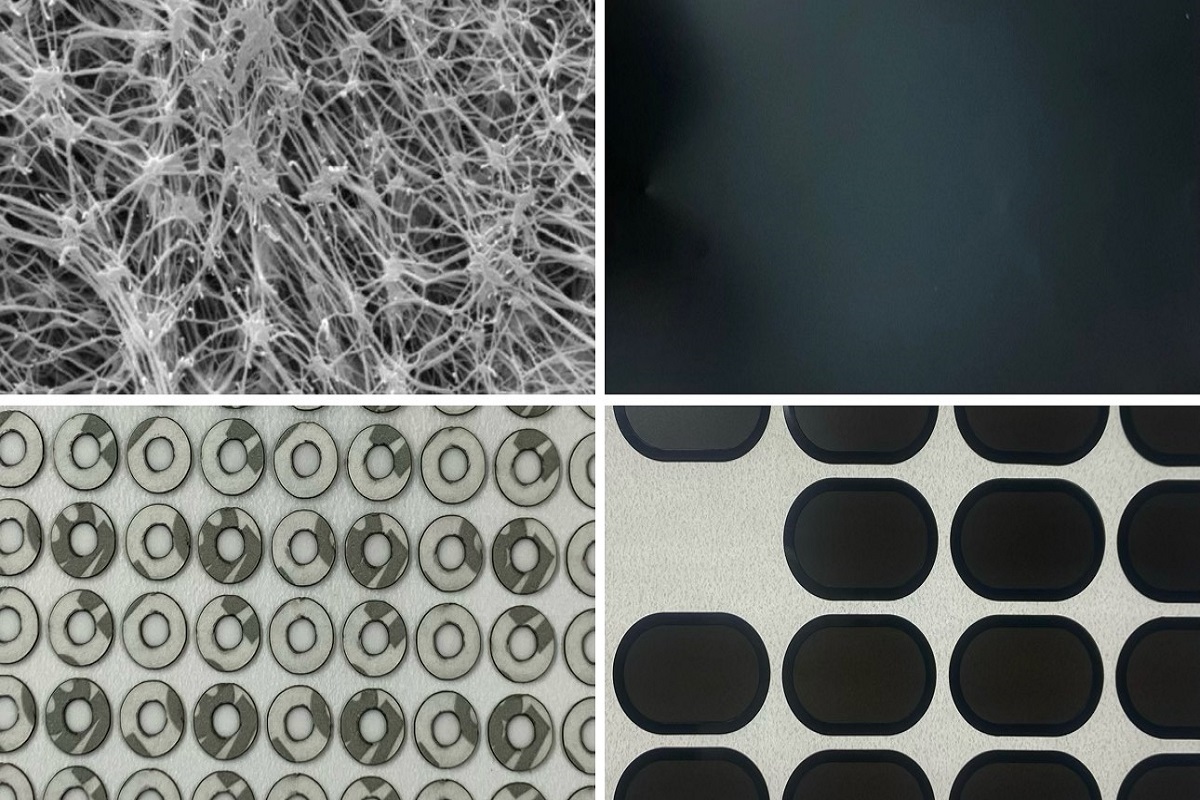
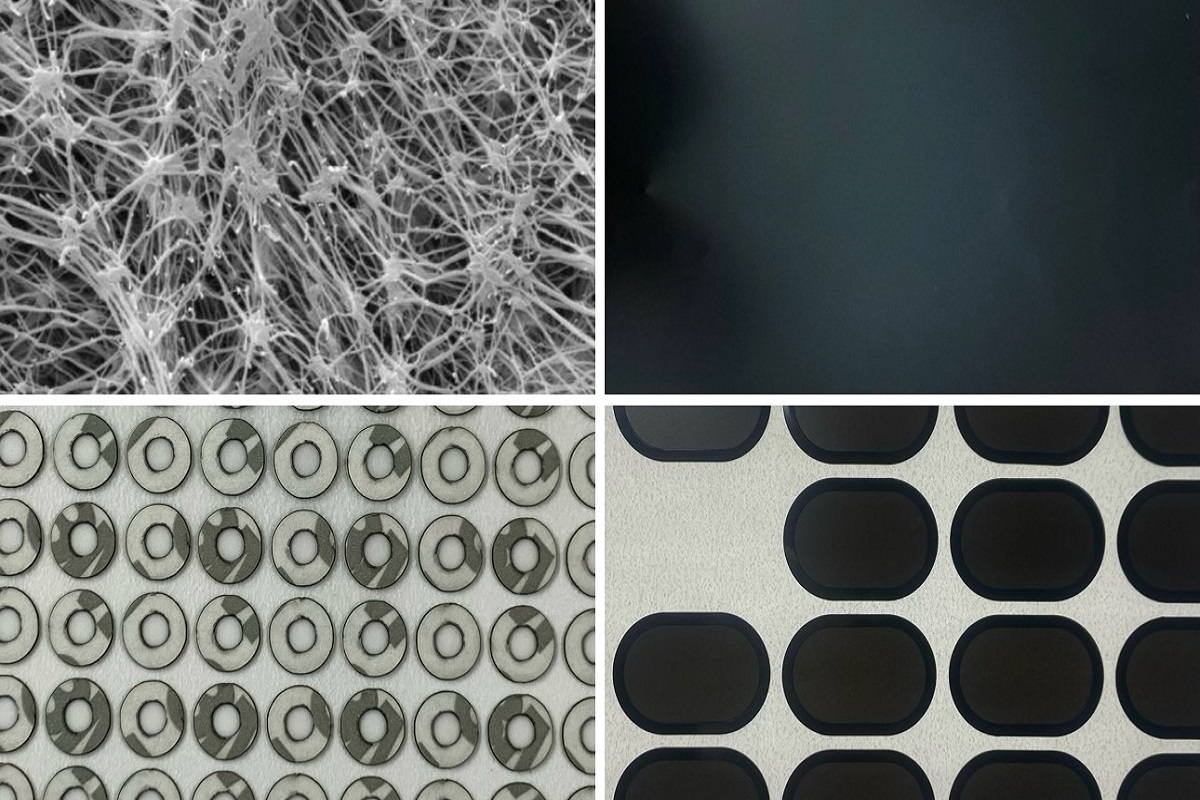
Figure: Comparative microscopic structure of ePTFE vs TPU membranes, showcasing raw film and precision die-cut components for acoustic vent and industrial applications.
Introduction
Waterproof breathable membranes are essential in electronics, automotive systems, and industrial protection. The two most widely used materials are ePTFE and TPU membranes.
ePTFE Membrane TPU MembraneThis guide compares their structure, performance, and applications to help you select the right solution for your project.
What is ePTFE Membrane?
ePTFE (expanded Polytetrafluoroethylene) is a high-performance microporous membrane known for exceptional chemical resistance, durability, and superior waterproof-breathable properties. It is the preferred choice for harsh-environment applications such as automotive electronics, industrial sensors, and outdoor equipment.
What is TPU Membrane?
TPU (Thermoplastic Polyurethane) membrane is a flexible polymer film that combines waterproof protection with excellent elasticity and acoustic permeability. It is widely adopted in consumer electronics, including TWS earbuds, smartwatches, and wearable devices.
ePTFE vs TPU: Key Differences
| Feature | ePTFE Membrane | TPU Membrane |
|---|---|---|
| Material Structure | Microporous polymer | Elastomeric thermoplastic film |
| Waterproof Rating | IPX7 – IPX8 | IPX4 – IPX7 |
| Flexibility | Rigid / Semi-rigid | Highly flexible |
| Temperature Range | -40°C to +260°C | -30°C to +80°C |
| Chemical Resistance | Excellent | Good |
| Acoustic Performance | High sound transmission | Optimized for audio devices |
| Cost | Higher | Moderate / Cost-effective |
| Typical Applications | Automotive, industrial, acoustic vents | Wearables, consumer electronics |
Application Differences
ePTFE Applications
- Automotive electronics & sensors
- Industrial control enclosures
- Outdoor lighting & telecom equipment
- Harsh-environment sealing systems
TPU Applications
- TWS earbuds – TPU Membrane Product
- Smartwatches & fitness trackers
- Consumer electronics & smart home devices
- Flexible wearable assemblies ul>
Which One Should You Choose?
Choose ePTFE membrane if your application requires maximum durability, chemical resistance, and stable performance in extreme temperatures or aggressive environments.
Choose TPU membrane if your design prioritizes flexibility, acoustic performance, and cost efficiency—especially for consumer electronics and wearable devices.
Related Products
Need Help Choosing the Right Membrane?
Our engineering team provides technical consultation, free samples, and precision die-cutting for OEM/ODM projects.