
Smartphone Acoustic Vent Membrane: Speaker & Mic Waterproof Guide for OEM
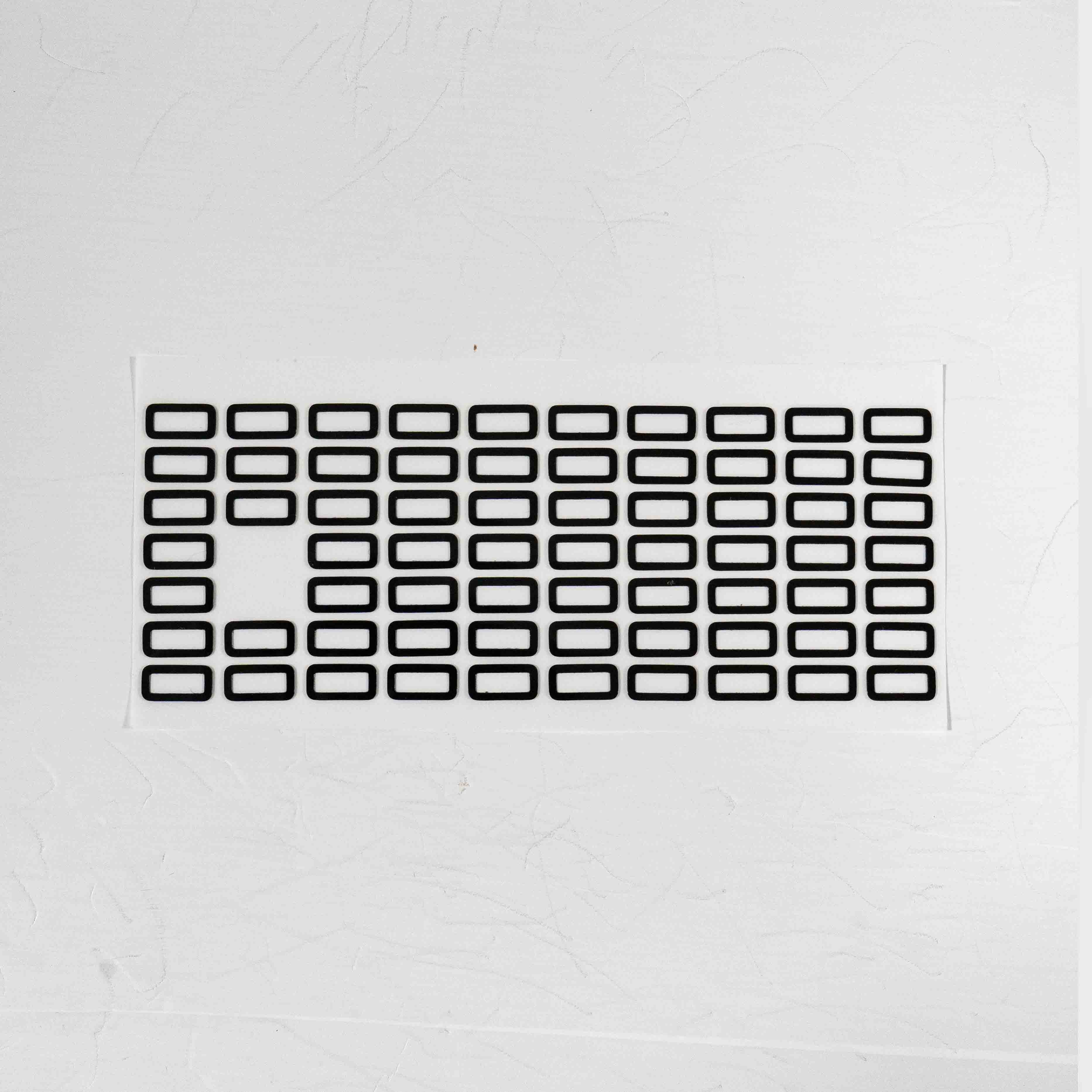
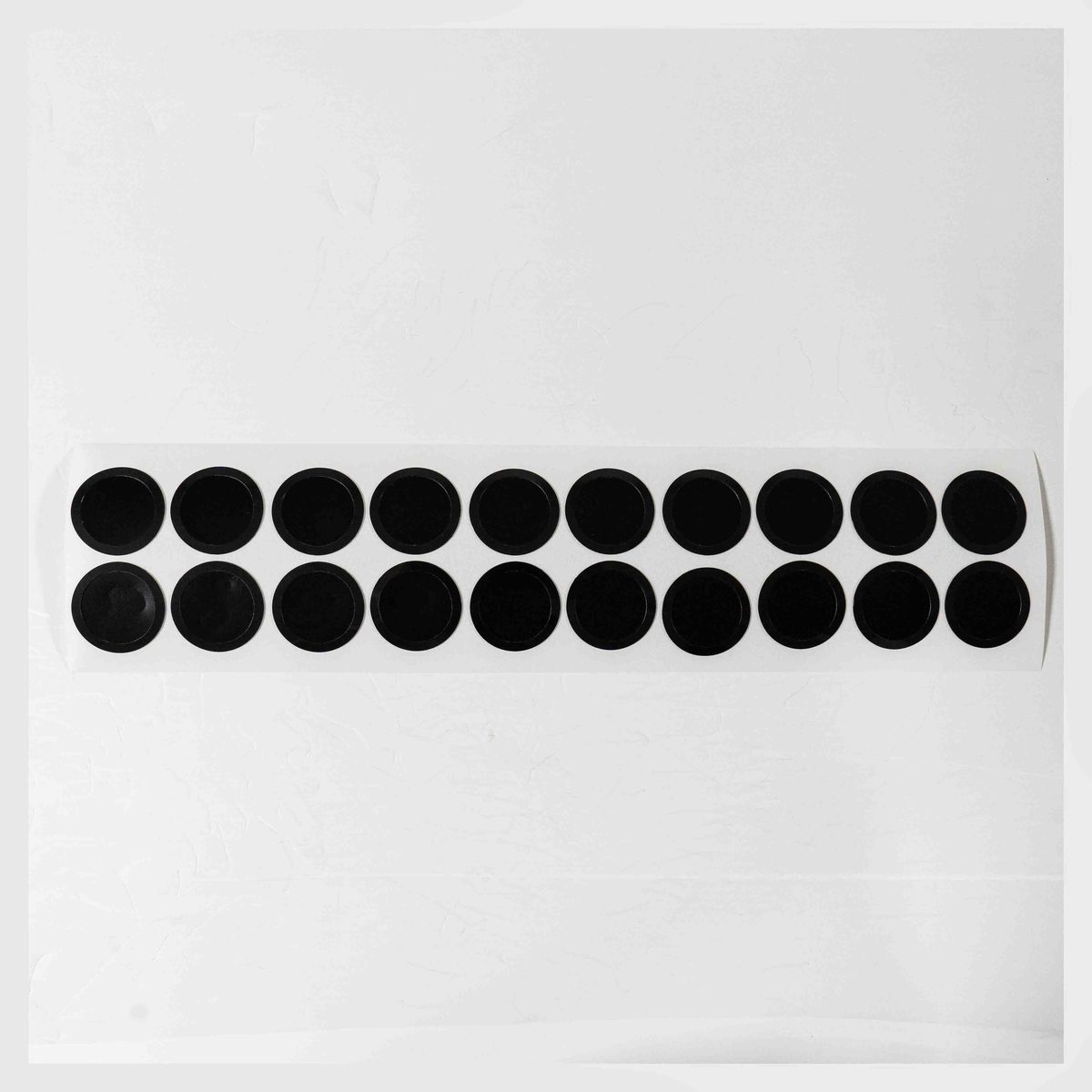
Smartphone Acoustic Vent Membrane
Smartphone manufacturers need acoustic vents that survive everyday abuse — rain, pocket sweat, accidental submersion, and dust — without muffling the receiver, speaker, or microphone. A smartphone acoustic vent membrane built from hydrophobic ePTFE balances three requirements that usually fight each other: waterproofing, breathability for pressure equalization, and acoustic transparency for clean sound.
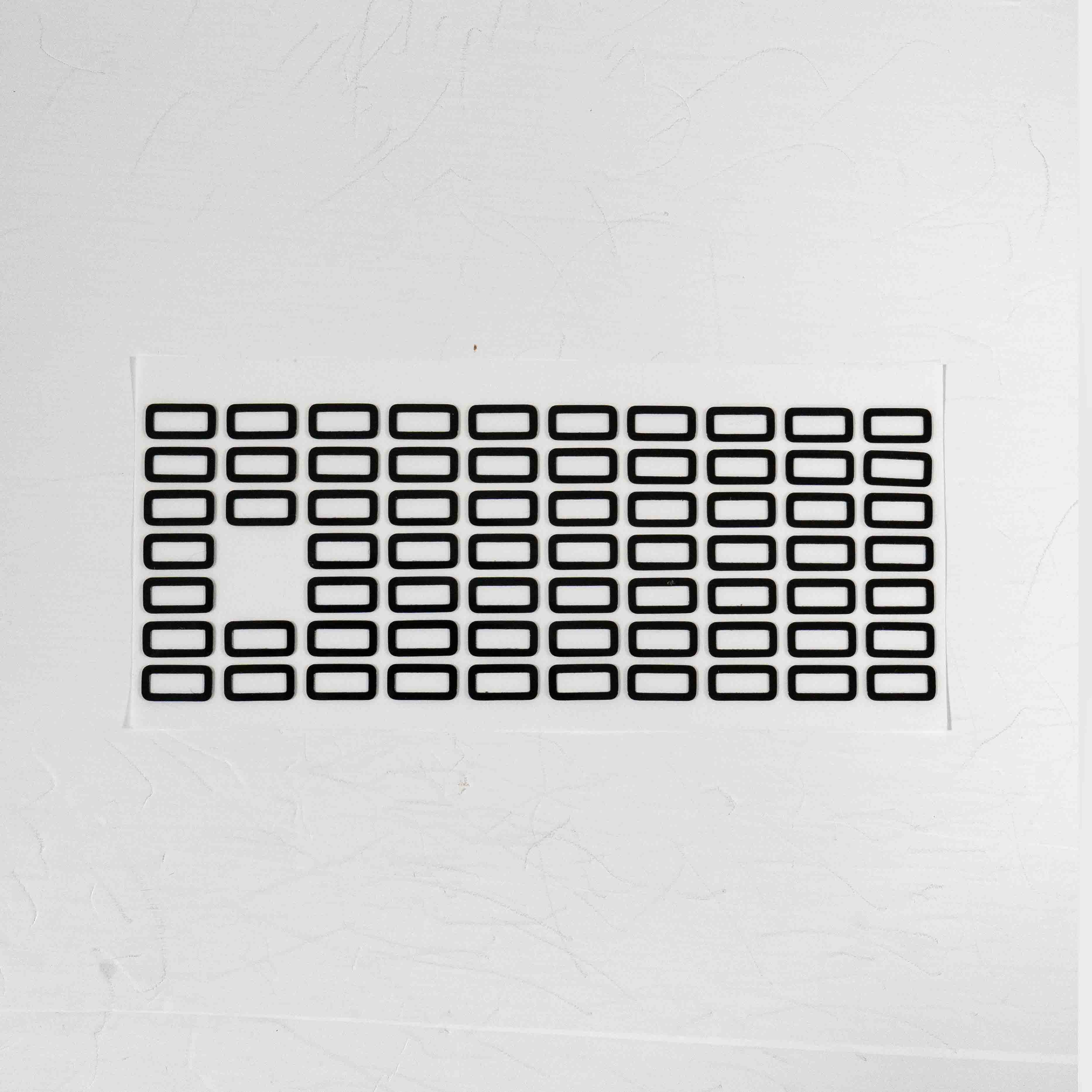
This guide covers how these membranes work, the performance parameters that actually matter for mobile devices, where they fail, and how to select an OEM supplier that can hit your acoustic and reliability targets.
What Is a Smartphone Acoustic Vent Membrane?
A smartphone acoustic vent membrane is a thin, microporous film placed over the audio paths of a phone — the earpiece/receiver, the loud speaker, and the microphone port. Its job is to block water and particles while letting air and sound pass.
Two distinct paths use it:
- Speaker/receiver path — protects the loud speaker and earpiece from water ingress while preserving vocal clarity on calls.
- Microphone path — protects the mic from water and dust while keeping voice capture intelligible.
Both paths need the membrane to be acoustically transparent (low insertion loss) yet physically robust enough to survive IP68 testing and repeated pressure cycling from pocket carry.
Why a phone needs it (not just "waterproofing")
A sealed phone without a vent builds internal pressure when altitude or temperature changes — taps stop working, the screen bows, and the acoustic chamber sounds thin. The vent equalizes pressure while the ePTFE pore structure blocks liquid. That is why "breathable" and "acoustic" are the same component on a phone, not two separate parts.
How Does an ePTFE Acoustic Vent Work?
ePTFE (expanded polytetrafluoroethylene) is stretched into a node-and-fibril microstructure with pores far smaller than a water droplet but large enough for air and sound waves.
Key properties:
- Microporous structure — pores in the 0.1–10 µm range block water by surface tension, not by a solid wall.
- Hydrophobic ePTFE — the low surface energy repels water; a 5–50 m water column is held back depending on grade.
- Air permeability — air passes through the pore network, equalizing pressure in milliseconds.
- Acoustic transparency — because the film is thin and the pores are small relative to audio wavelengths, sound transmission loss stays minimal.
For a phone, the trade-off is grade selection: a more open (higher airflow) membrane breathes better and sounds more open, but holds back less water. A tighter grade resists deeper submersion but adds slight acoustic damping. The right grade is chosen against your IP target and your acoustic budget.
Key Performance Parameters
| Parameter | Typical Value (ePTFE) | Note |
|---|---|---|
| Material | ePTFE (hydrophobic) | Microporous, node-fibril structure |
| Waterproof rating | IP67 / IP68 | Depth depends on grade, custom per spec |
| Acoustic loss | ≤ 1 dB | Measured in the speech band |
| Thickness | 20–100 µm | Thin formats for bezel-limited designs |
| Air permeability | 200–12,000 ml/min | Measured at Ø10 mm orifice @ 7 kPa |
| Operating temperature | −40 °C to +260 °C | Continuous service |
| Adhesive | 3M acrylic / custom | For automated pick-and-place |
| Construction | Composite with support layer | Protects the film during assembly |
Measurement note: airflow must be quoted with test conditions. We rate breathability as ml/min at a Ø10 mm orifice under 7 kPa — the same method used for enclosure venting. A number without the orifice size and pressure (e.g. "cc/(cm²·min)" with no condition) is not comparable and is a common spec-sheet trap.
Airflow vs. water resistance trade-off
| Airflow band | Typical range | Held-back water column |
|---|---|---|
| Low | 200–1,000 ml/min | 50–30 m |
| Medium | 1,000–5,000 ml/min | 30–2 m |
| High | 5,000–12,000 ml/min | 10–1 m |
Most flagship phones target IP68 (1.5 m for 30 min). That usually means a medium-to-low airflow grade balanced against acoustic loss — exactly the kind of trade-off a spec sheet alone will not show you.
Applications in Smartphones
Earpiece / Receiver
The receiver sits closest to the ear and is the most acoustically sensitive. The vent here needs the lowest insertion loss while still passing IP68. Grade selection leans toward higher airflow with a protective support layer.
Loud Speaker
Bottom-firing and top-firing speakers need vents that survive being held underwater and dropped in sand. Dust resistance matters as much as water here.
Microphone Port
The mic vent must block water and particles without coloring voice. Because the mic also picks up wind noise, some designs pair the membrane with a labyrinth or mesh to reduce wind throb.
Secondary / Barometric Sensors
Many phones use a barometric pressure sensor for altitude and step counting. A breathable vent protects it from water while letting it read ambient pressure — the same ePTFE principle applied to a non-acoustic port.
Why ePTFE Instead of Traditional Waterproof Film?
| Material | Waterproof | Sound transmission | Breathable | Notes |
|---|---|---|---|---|
| ePTFE | ★★★★★ | ★★★★★ | ★★★★★ | Best balance; −40 to +260 °C |
| TPU | ★★★★ | ★★ | ★★ | Softer acoustic, lower temp ceiling |
| Silicone / non-fluorine film | ★★★★★ | ★★ | ✕ | Blocks water but barely breathes; −40 to +120 °C |
Non-fluorine films can look "waterproof" on paper yet choke airflow, which starves the pressure-equalization path and degrades both sound and sealing over time. ePTFE is the standard for phones precisely because it does not force you to choose between the three requirements.
Acoustic loss comparison across materials we test: quality acoustic-grade PU film reads 0.5–1.5 dB, ePTFE reads ≤ 1 dB, and typical non-fluorine films read 6–10 dB. For a phone receiver, that 6–10 dB gap is the difference between a call that sounds normal and one that sounds muffled.
Custom OEM Acoustic Vent Solution
Smartphones are space-constrained and brand-specific. We do not sell standard "phone membranes" off a shelf — every project is custom per spec:
- Die-cut shape and size — matched to your acoustic chamber and sealing ledge.
- Thickness and grade — tuned to your IP target and acoustic budget.
- Adhesive — 3M acrylic or customer-specified, supplied on a carrier for automated placement.
- Composite stack — ePTFE laminated to a support or mesh for assembly robustness.
- NRE and tooling — rotary or flat-bed die tooling built to your drawing.
If you have a drawing or a failing current part, send it. We return prototypes matched to your acoustic and reliability test plan.
How to Select a Smartphone Acoustic Vent Supplier
Buying on "ePTFE membrane" alone is how teams end up with a part that passes a bench test but fails in the field. Evaluate suppliers on:
- Material capability — can they supply and laminate the specific ePTFE grade, not just resell a generic film?
- Acoustic testing — do they measure insertion loss in the speech band, not just quote a number?
- Waterproof testing — IP67/IP68 validation under your actual assembly, not a bare-film test.
- Dimensional control — tight die-cut tolerances for bezel-limited phones.
- Mass production ability — consistent pore structure across lots, with traceability.
- Customization — willingness to match your drawing rather than push a catalog part.
- Lead time and NRE — realistic tooling cost and sample turnaround.
A supplier who cannot show you the test method behind their airflow and acoustic numbers is a risk, not a bargain.
FAQ
Q1: What is the best waterproof membrane for a smartphone speaker? A: Hydrophobic ePTFE is the standard choice because it keeps water out while staying acoustically transparent (≤1 dB loss) and breathable for pressure equalization — the three things a phone speaker path needs at once.
Q2: Can a smartphone acoustic vent reach IP68? A: Yes. With the right ePTFE grade and a correctly sealed assembly, IP67/IP68 is routinely achieved. The rating depends on grade selection balanced against your acoustic loss budget.
Q3: Does the membrane affect call sound quality? A: A properly graded ePTFE vent adds ≤1 dB insertion loss in the speech band — imperceptible on calls. Poorly chosen films (non-fluorine types) can add 6–10 dB and audibly muffle the receiver.
Q4: Do you provide OEM acoustic vent membranes for phones? A: Yes. We supply custom die-cut ePTFE vents matched to your drawing — shape, thickness, adhesive, and grade — for both speaker/receiver and microphone paths.
Q5: How is airflow measured so I can compare suppliers? A: We rate breathability as ml/min at a Ø10 mm orifice under 7 kPa. Always ask for the test condition; a bare "cc/(cm²·min)" with no orifice size and pressure is not comparable between vendors.
Q6: Can one membrane serve both the speaker and the mic? A: Often yes for the material, but the grade and shape differ by path — the receiver wants the lowest loss, the mic wants dust and wind robustness. We usually tune each path separately per your spec.
Request Smartphone Acoustic Vent Membrane Samples
If you are specifying vents for a new phone or fixing a failing current part, send your drawing or target spec. We will return ePTFE acoustic vent prototypes — speaker/receiver and mic paths — matched to your IP and acoustic test plan.
Related reading: Acoustic vent membrane overview, Speaker waterproof acoustic membrane guide, Microphone waterproof vent membrane, Custom die-cut ePTFE membrane, How to choose an ePTFE vent membrane manufacturer.