How to Choose the Right Waterproof Breathable Membrane for Your Electronics Application
Meta Description: Learn how to select the right ePTFE, TPU, or PU waterproof breathable membrane for automotive, TWS earbuds, wearables, and industrial electronics applications. Key factors include waterproof rating, breathability, temperature range, and acoustic performance.
1. Introduction
Waterproof breathable membranes are critical components in modern electronics manufacturing. These thin polymer films simultaneously block liquid water while allowing air and vapor to pass through, protecting sensitive electronic components from moisture damage. This guide covers the key factors to consider when selecting the right membrane material for your specific application.
For a complete overview of membrane types and capabilities, visit our Waterproof Breathable Membrane Solutions page.
2. Membrane Material Types Comparison
2.1 ePTFE Membrane
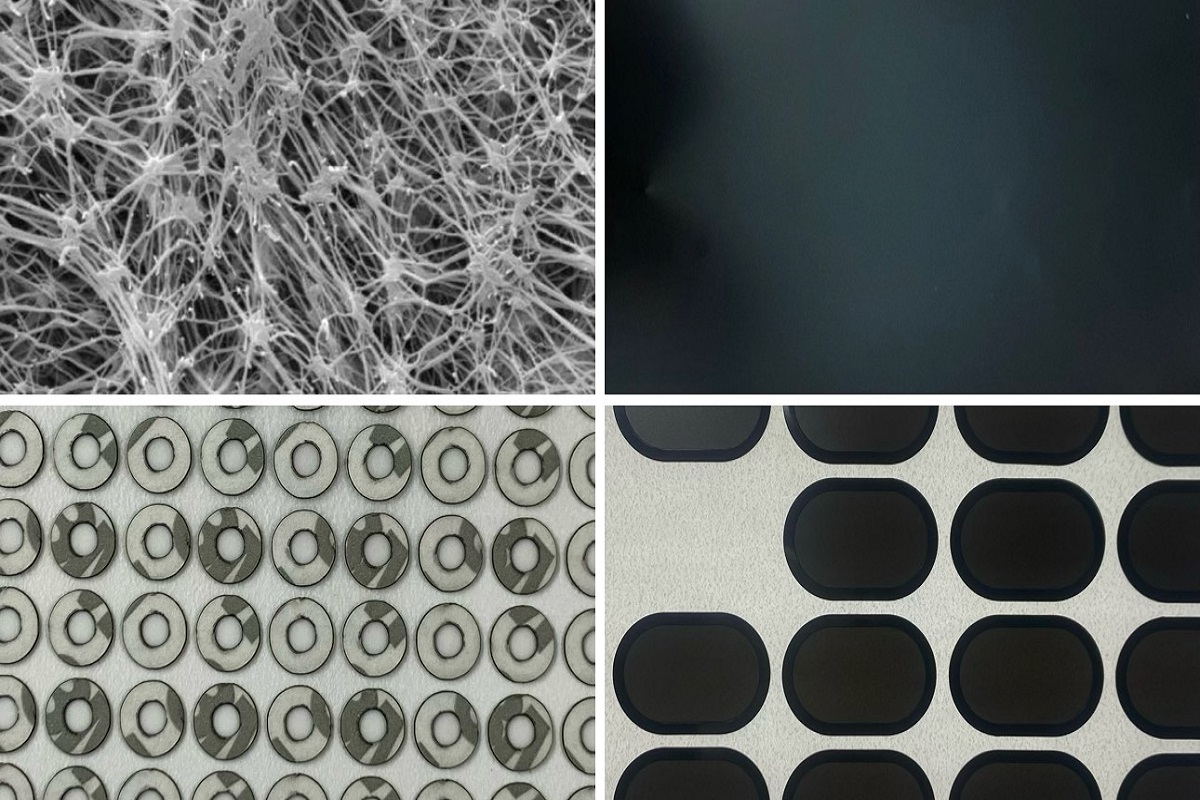
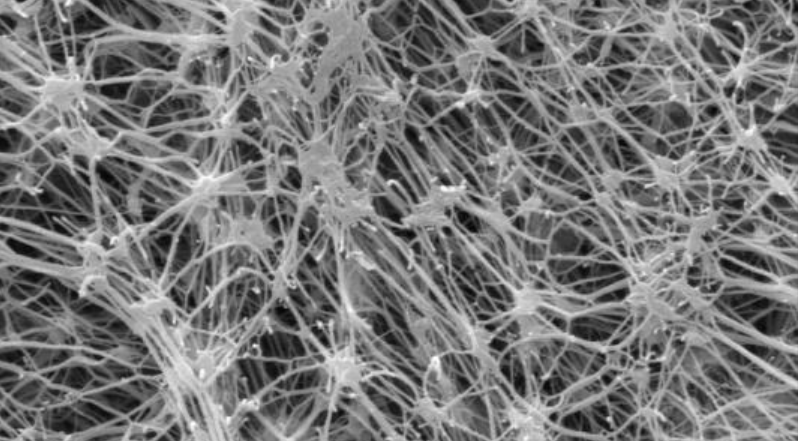
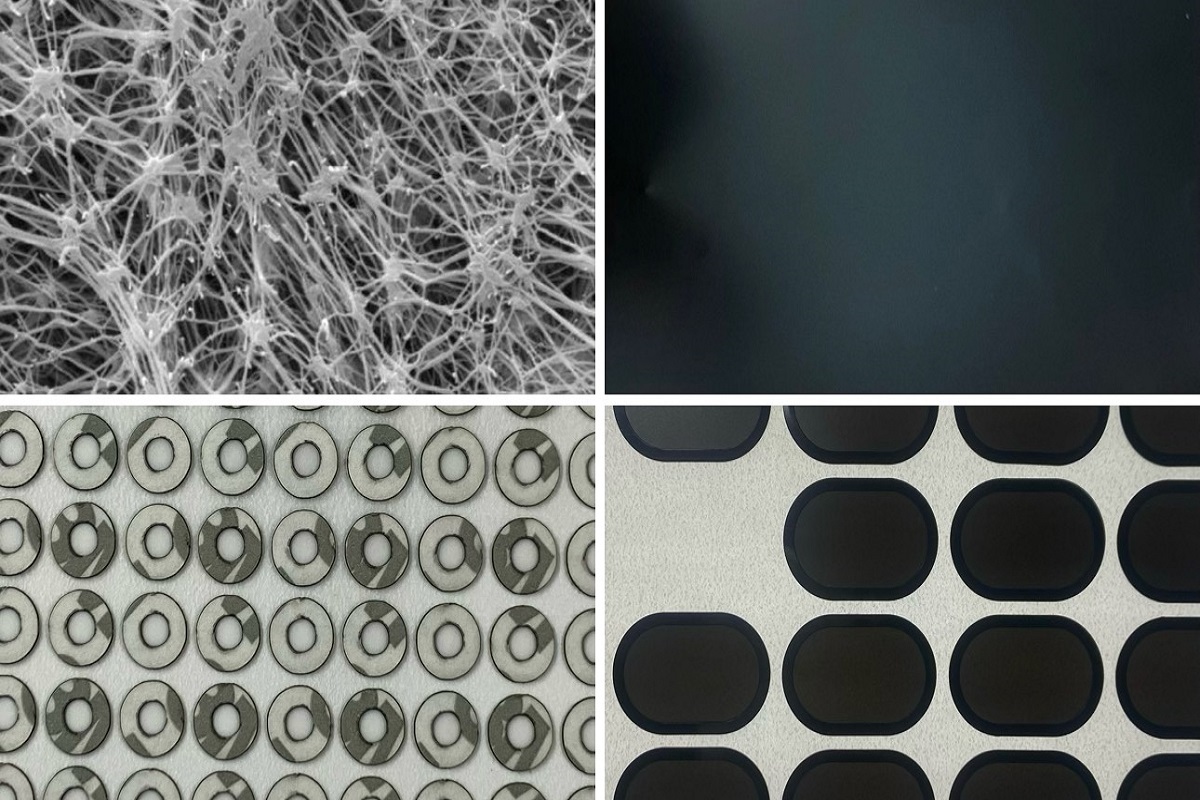
Expanded Polytetrafluoroethylene (ePTFE) is a microporous fluoropolymer film created by biaxially stretching PTFE resin to create a unique node-and-fibril structure.
Key Properties:
- Waterproof rating: IP67/IP68 (excellent chemical resistance)
- Temperature range: -40°C to +260°C
- Air permeability: 500–15,000 ml/min @ 7kPa
- Chemical resistance: Excellent (resists nearly all acids and solvents)
- Acoustic performance: Good for speaker and microphone applications
- Durability: 10+ years in outdoor environments
Best For: Automotive electronics, industrial sensors, outdoor devices, TWS earbuds, applications requiring high chemical or temperature resistance.
Learn more about our ePTFE Waterproof Breathable Membrane and its specifications.
2.2 TPU Membrane
Thermoplastic Polyurethane (TPU) is a flexible elastomeric membrane that transports moisture through hydrophilic diffusion rather than microporous structure.
Key Properties:
- Waterproof rating: IP65–IP67
- Temperature range: -30°C to +80°C
- Air permeability: 200–2,000 ml/min @ 7kPa
- Flexibility: Excellent for dynamic applications
- Eco-friendly: Recyclable thermoplastic material
- Cost: More affordable than ePTFE
Best For: Wearables, outdoor apparel, consumer electronics, TWS earbuds requiring good sound transmission, applications prioritizing flexibility and cost-effectiveness.
Discover our TPU Waterproof Breathable Membrane capabilities and customization options.
2.3 PU Membrane
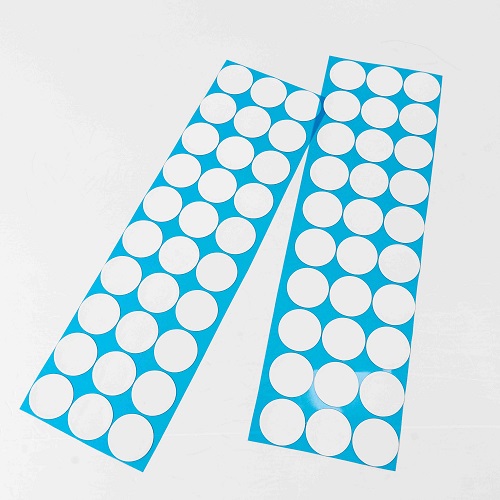
Polyurethane (PU) membranes are cost-effective breathable films for general waterproof protection applications.
Key Properties:
- Waterproof rating: IP65–IP66
- Temperature range: -30°C to +70°C
- Air permeability: 100–1,000 ml/min @ 7kPa
- Cost: Most economical option
- Customization: Available in various thicknesses
Best For: Consumer electronics, disposable applications, moderate waterproof requirements, cost-sensitive projects.
3. Key Selection Factors
3.1 Waterproof Rating
The IP rating (Ingress Protection) determines the membrane's water resistance level:
Tip: Always specify the exact water depth and duration your application requires. For more details, read our IP67 vs IP68 Explained guide.
3.2 Air Permeability
Breathability prevents pressure buildup in sealed enclosures. The measurement uses a standard orifice (Ø10mm) at 7kPa pressure:
- 200–500 ml/min: Low breathability for high waterproof protection
- 1,000–3,000 ml/min: Balanced performance for most applications
- 5,000–15,000 ml/min: High breathability for heat-sensitive electronics
Use our Breathability-Waterproof Calculator to estimate the right membrane for your enclosure.
3.3 Temperature Range
Consider both operating and storage temperatures:
- ePTFE: -40°C to +260°C (ideal for automotive and industrial)
- TPU: -30°C to +80°C (suitable for consumer electronics)
- PU: -30°C to +70°C (general purpose)
3.4 Acoustic Performance
For speaker and microphone applications, acoustic insertion loss must be minimized:
- ePTFE acoustic grade: <1dB loss (recommended for TWS and audio devices)
- TPU acoustic grade: <1dB loss (good for wearables)
- Standard membranes: Not suitable for critical audio applications
Explore our Acoustic Waterproof Membrane solutions for audio applications.
3.5 Membrane Dimensions
Custom die-cutting is available for all materials:
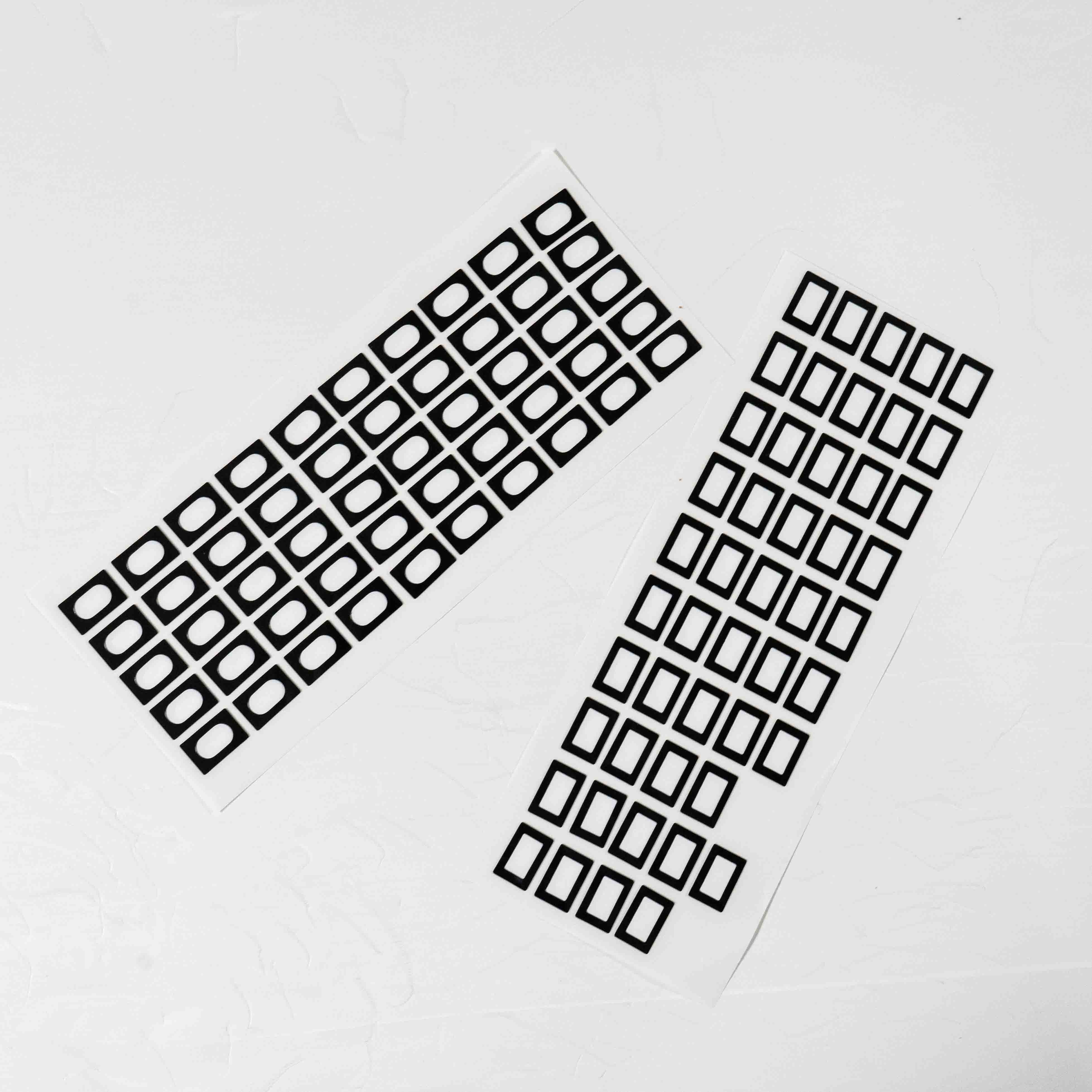
- Standard sizes: Ø6mm to Ø12mm discs
- Custom shapes: Rectangles, slots, complex geometries
- Adhesive options: Acrylic PSA, silicone, epoxy, heat-bonding
4. Application-Specific Recommendations
4.1 Automotive Electronics
Recommended: ePTFE membrane
- ECU housings and sensor seals
- Battery pack venting (lithium-ion)
- Exterior lighting protection
- Temperature range: -40°C to +125°C
See our Automotive Water-Resistant Membrane Solutions for more details.
4.2 TWS Earbuds & Audio
Recommended: ePTFE acoustic grade or TPU membrane
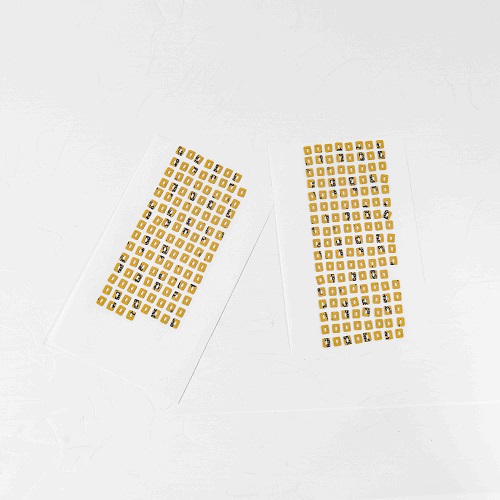
- Speaker vents (acoustic loss <1dB)
- Microphone protection
- Sweat and water resistance
- Compact dimensions (Ø3–5mm typical)
4.3 Smart Wearables
Recommended: TPU membrane
- Watch sealing and sensor cover
- Health monitoring devices
- Fitness trackers
- Balance of waterproof and breathability
4.4 Industrial Sensors
Recommended: ePTFE membrane
- Environmental monitoring
- Gas detectors and pressure sensors
- Outdoor IoT devices
- Extended temperature and chemical exposure
5. Custom Manufacturing Process
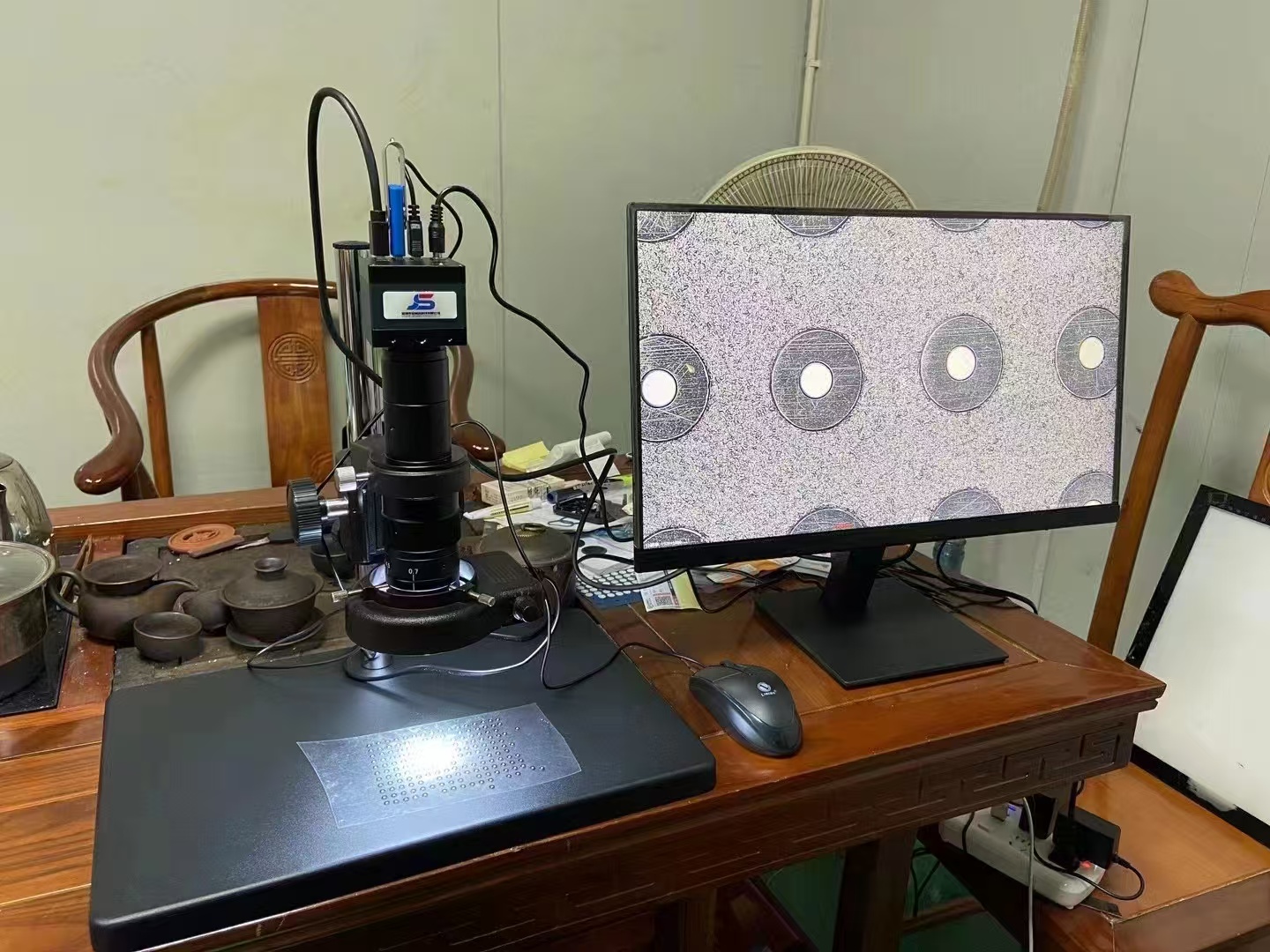
At Mimoyin Technology, we follow a systematic approach from prototype to mass production:
5.1 Consultation
Send your drawing or application requirements including:
- Required waterproof grade (IP67/IP68)
- Target breathability or acoustic loss
- Membrane size, shape, and adhesive type
- Estimated order quantity
5.2 Prototype Development
- Material selection matching your specifications
- Sample die-cutting (3–5 working days)
- Performance validation (water pressure, airflow, acoustic)
- Free samples for your testing
5.3 Mass Production
- Precision die-cutting with tight tolerances
- In-process quality control
- Full traceability from raw material to finished component
- Final validation (IP rating, dimensional accuracy)
Learn more about our Manufacturing Capability and quality control processes.
6. Quality Standards
All our ePTFE, TPU, and PU membranes comply with:
- RoHS 2.0: Restricted substance-free (10 substances Not Detected)
- REACH: EU regulatory compliance
- Class 10,000 cleanroom: Dust-free production environment
- Full traceability: From raw material to finished part
7. Frequently Asked Questions
Q1: Can I get custom die-cut samples?
Yes. We provide free prototype samples matched to your specifications for validation before volume production.
Q2: What is your minimum order quantity?
Mass-production MOQ starts from 1,000 pcs, with flexible customization available. Prototype orders are supported at any quantity.
Q3: How long is the lead time?
- Sample lead time: 3–5 working days
- Mass production: 7–15 working days after sample confirmation
Q4: Can you help with material selection?
Yes. Our engineering team supports you through material selection, prototype development, and performance tuning based on your specific application requirements.
8. Conclusion
Selecting the right waterproof breathable membrane requires balancing waterproof rating, breathability, temperature range, acoustic performance, and cost. Whether you need ePTFE for automotive harsh environments, TPU for consumer electronics, or PU for cost-sensitive applications, Mimoyin Technology provides custom die-cut solutions with free samples and full engineering support.
For a detailed comparison, check our ePTFE vs TPU vs PU Membrane Comparison Guide.
Contact our team today via the Contact Us page to discuss your membrane requirements and get a custom quote for your project.