
ePTFE vs TPU Membrane: Detailed Comparison Guide
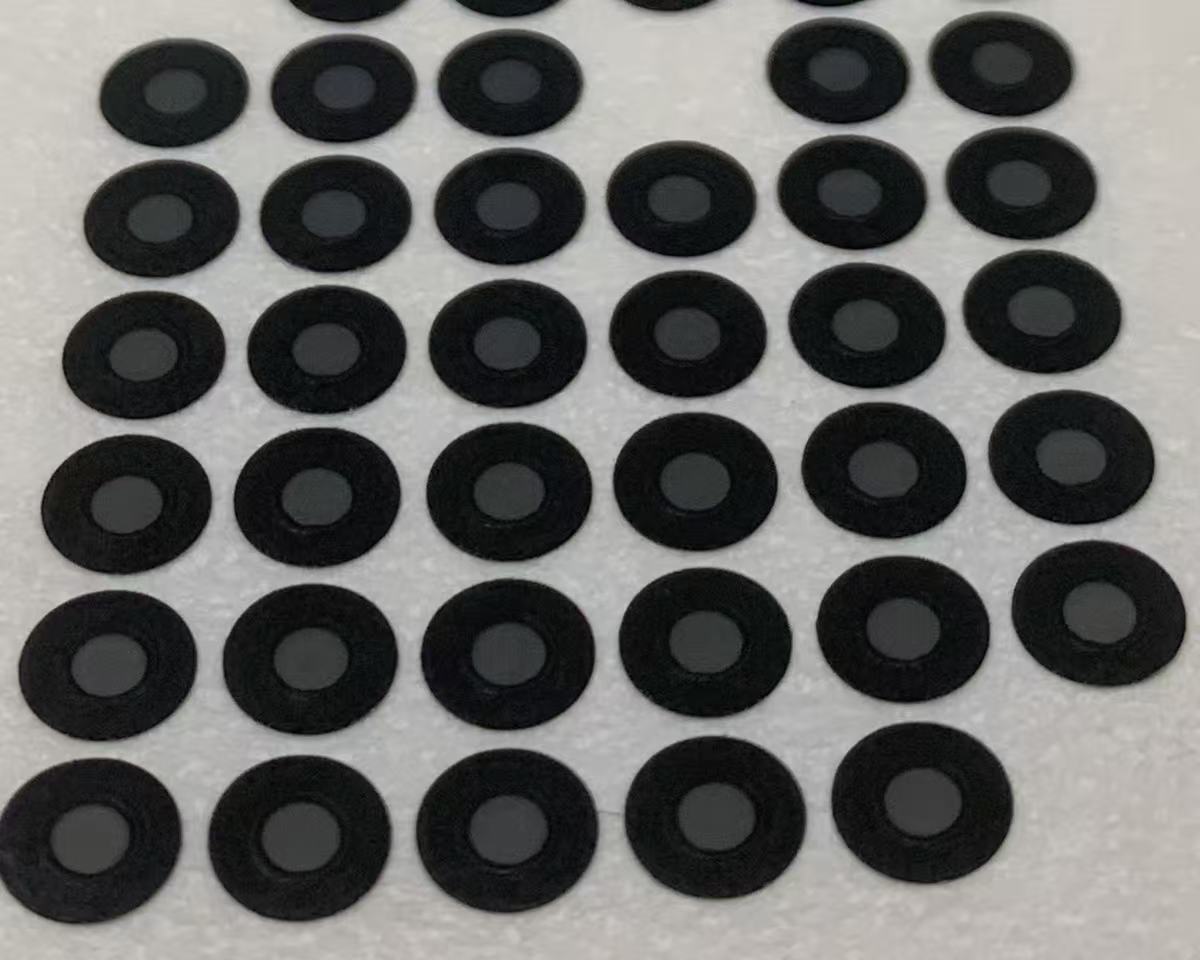
Breathability & Water-Pressure Capability
| Tier | Breathability (ml/min @ Ø10 mm, 7 kPa) | Water pressure | Typical application |
|---|---|---|---|
| Low breathability (high waterproof) | 200–1,000 | 50–30 m | Deep-water / harsh waterproof; custom per spec |
| Mid (balanced) | 1,000–5,000 | 30–2 m | Automotive / general outdoor; custom per spec |
| High breathability | 5,000–12,000 | 10–1 m | High heat dissipation / low waterproof need; custom per spec |
Mimoyin does not sell fixed catalog SKUs. For each project we match the membrane material to your drawing and required breathability, acoustic loss, and water pressure, then produce samples for your validation testing.
ePTFE Vent Membrane vs TPU – Which is Better for Your Application?
ePTFE waterproof breathable membrane selection guide
acoustic vent membrane for TWS earbuds
Introduction
Waterproof breathable membranes are widely used in electronics, automotive systems, and industrial sealing applications. Among the most commonly used materials are ePTFE and TPU membranes.
This guide provides a detailed technical and application-based comparison to help you select the most suitable membrane for your product design.
What is ePTFE Membrane?
ePTFE (expanded Polytetrafluoroethylene) ePTFE Vent Membrane membrane is a microporous material with excellent chemical resistance, high durability, and superior waterproof and breathable performance.
It is widely used in automotive electronics, industrial equipment, and harsh environmental applications.
What is TPU Membrane?
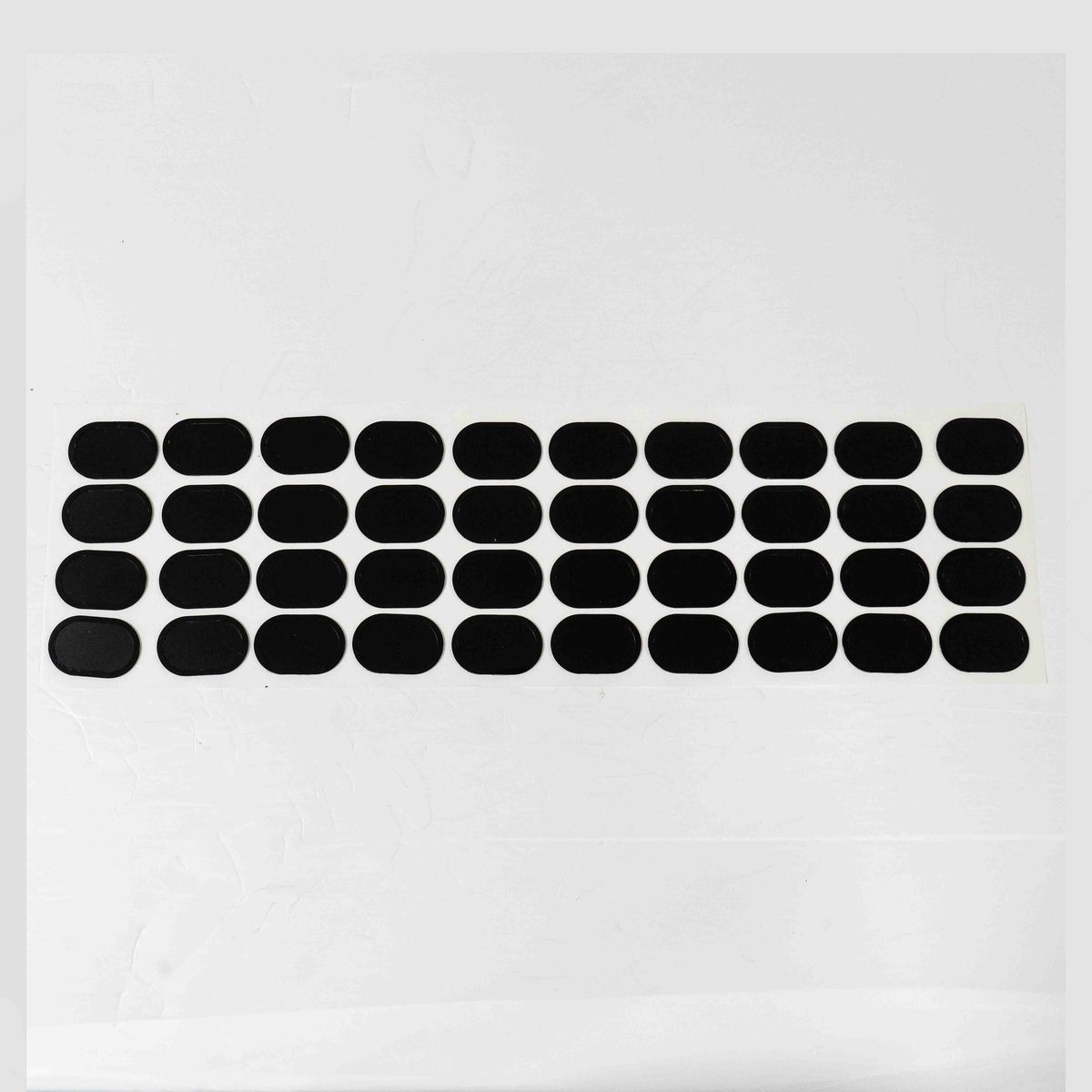
TPU (Thermoplastic Polyurethane) TPU membrane membrane is a flexible polymer film that provides waterproof protection while maintaining elasticity and acoustic transparency.
It is commonly used in consumer electronics such as TWS earbuds, wearable devices, and smart gadgets. IP67/IP68ePTFE vs TPU membrane waterproof performance comparison
---
ePTFE vs TPU: Key Technical Comparison
| Feature | ePTFE Membrane | TPU Membrane |
|---|---|---|
| Material Structure | Microporous expanded PTFE | Thermoplastic polyurethane film |
| Flexibility | Medium | High flexibility |
| Durability | Excellent (harsh environments) | Good (consumer electronics) |
| Waterproof Performance | Very high (industrial grade) | High (electronics grade) |
| Acoustic Performance | Moderate | Excellent |
| Cost | Higher | More cost-effective |
| Main Applications | Automotive, Industrial, Sensors | TWS, Wearables, Consumer electronics |
---
Application Differences
ePTFE Applications
- Automotive electronics systems
- Industrial sealing equipment
- Outdoor devices and sensors
- Harsh environment protection systems
TPU Applications
- TWS Earbuds → TPU Waterproof Membrane
- Wearable devices (smart watches, bands)
- Consumer electronics protection
- Smart IoT devices
---
How to Choose Between ePTFE and TPU?
Choose ePTFE membrane if your application requires high durability, chemical resistance, and industrial-grade protection.
Choose TPU membrane if you need flexibility, acoustic performance, and cost efficiency for consumer electronics.
---
Frequently Asked Questions (FAQ)
Is TPU waterproof enough for TWS earbuds?
Yes. TPU membranes are widely used in TWS earbuds and provide sufficient waterproof and sweatproof protection for consumer electronics.
Is ePTFE better than TPU?
ePTFE offers higher durability and chemical resistance, but TPU is more flexible and cost-effective. The best choice depends on application requirements.
Which membrane is better for wearable devices?
TPU membrane is generally preferred for wearable devices due to its flexibility and acoustic performance.
---
Related Products
---
Need Help Choosing the Right Membrane?
Contact our engineering team for samples, technical datasheets, and OEM/ODM support.
Contact Us
Technical FAQ: ePTFE vs TPU Membrane Comparison
What is the core difference between ePTFE and TPU membranes?
ePTFE is an expanded polytetrafluoroethylene microporous film with inert chemical resistance and a -40°C to +260°C range; TPU is a thermoplastic polyurethane film, more flexible and lower-cost but limited to -30°C to +80°C.
Which membrane has higher air permeability?
ePTFE. It reaches 200–12,000 ml/min @ Ø10 mm orifice, 7 kPa, versus TPU's 200–2,000 ml/min. Higher permeability means faster pressure equalization.
Which withstands higher temperature?
ePTFE (-40°C to +260°C) far exceeds TPU (-30°C to +80°C), making ePTFE the choice for engine-bay and high-heat electronics.
Which is better for acoustic (sound-transparent) applications?
ePTFE and PU. ePTFE keeps sound loss ≤1 dB; TPU is stiffer and attenuates more, so it suits structural venting more than microphone ports.
How to choose between ePTFE and TPU for my project?
Pick ePTFE for heat, chemicals, or high breathability; pick TPU for budget general outdoor use. Send your specs and we match the material and die-cut shape.
References & Standards
- IEC 60529 — IP Code (IEC official): the international standard that defines the IP67 / IP68 ratings referenced throughout this site.
- EU RoHS Directive: restriction of hazardous substances for electrical and electronic equipment placed on the EU market.
- EU REACH Regulation: registration, evaluation, authorization and restriction of chemicals.
- US EPA — PFAS: federal guidance on per- and polyfluoroalkyl substances relevant to fluoropolymer choices.
- W. L. Gore & Associates: the originator of expanded PTFE (ePTFE) membrane technology.