
Waterproof Acoustic Vent for Smart Watch | IP67 IP68 Mic & Speaker Membrane
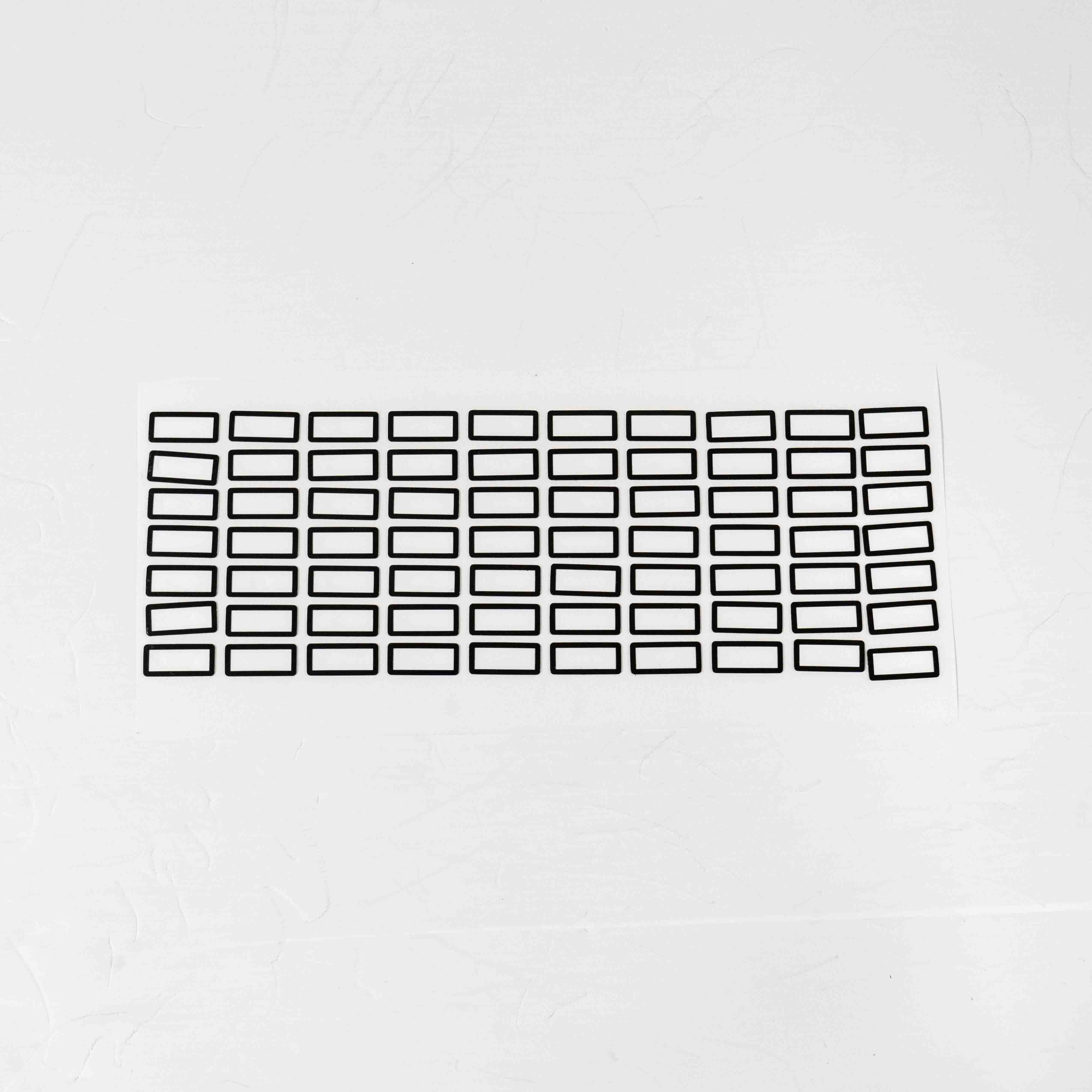
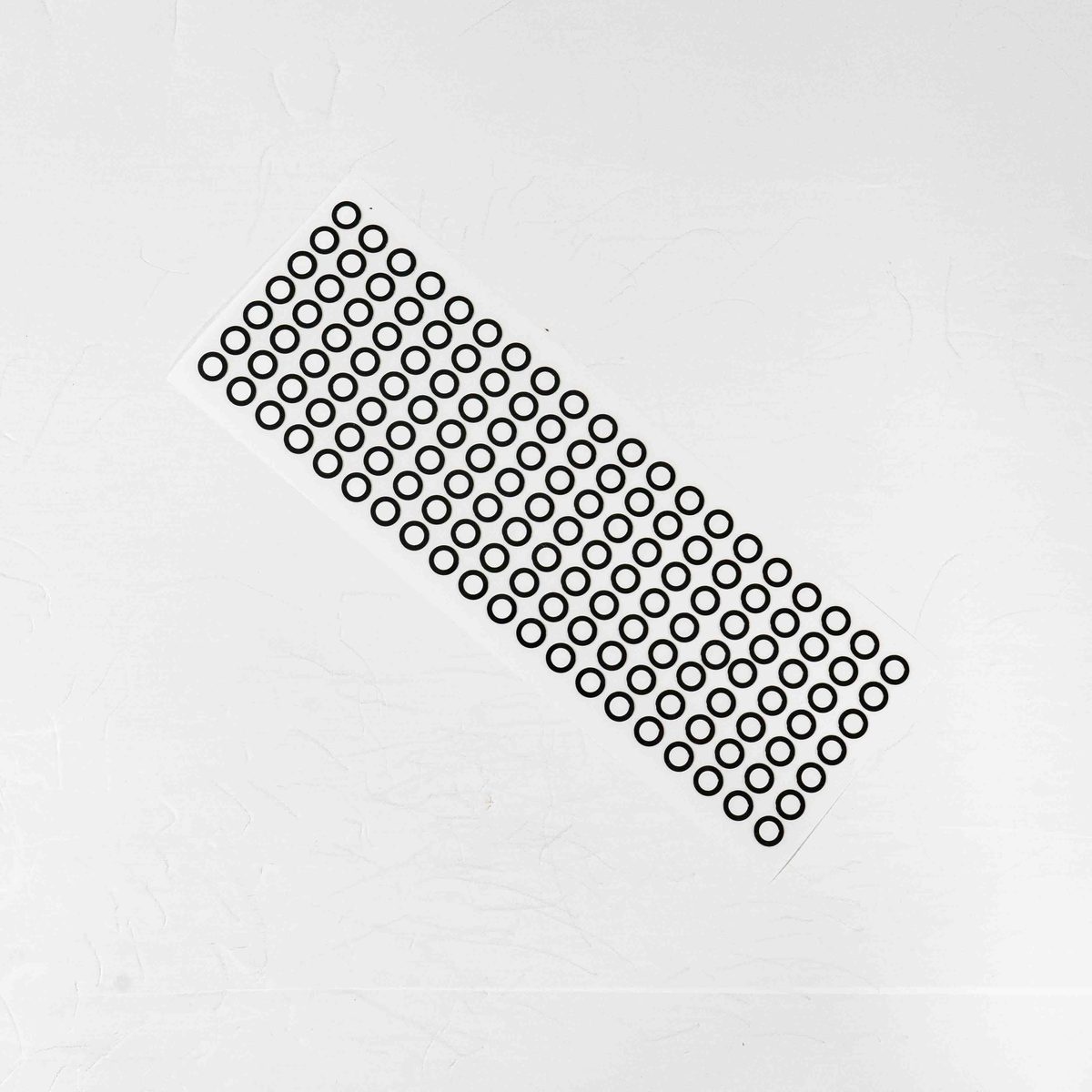
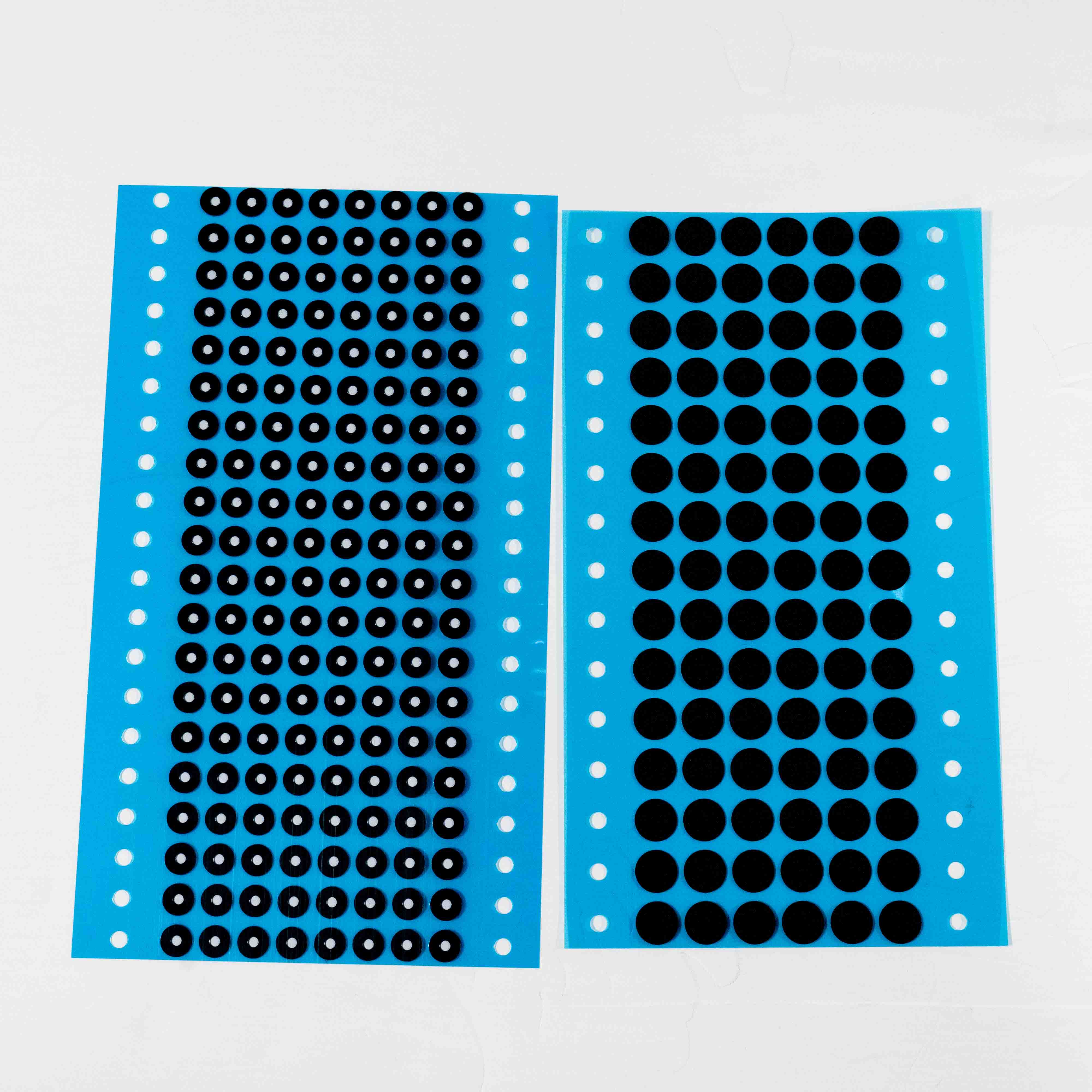
Why Smart Watches Need a Sealed Yet Breathing Vent
A fitness or smart watch sits against skin for 24 hours: sweat, hand-washing, rain, and the occasional drop in a sink. Four failure modes dominate warranty returns:
- Muffled voice assistant when a cheap film adds 6–18 dB loss to the mic path.
- Condensation under the glass after a 1 m soak, from a chamber that cannot equalize pressure.
- Barometer drift when the sealed case blocks the pressure port the altitude sensor needs.
- Adhesive creep at body temperature—a generic PSA softens near 40 °C skin contact and lifts at the edge.
One correctly specified ePTFE vent is the waterproof wall, the sound window, and the pressure port in a single 0.05 mm part.
Key Features and Performance
- Acoustic Transparency: Sound insertion loss ≤1 dB at 1 kHz (ePTFE); premium acoustic-grade PU film—such as the Japanese film we tested—reaches 0.5–1.5 dB, in the same league as ePTFE. Non-fluorine film sits at 6–10 dB. Material choice therefore hinges on waterproof depth and chemical/thermal stability, not acoustic loss alone. Where ePTFE pulls clearly ahead: it reaches 2–50 m waterproof depth and a −40 °C to +260 °C thermal range—premium PU tops out near 1–2 m and a far lower temperature ceiling.
- Waterproof Depth: ePTFE vents are rated from 2 m (IP68) up to 10 m, 30 m, and 50 m for swim-proof and dive watches; PU film typically caps at 1–2 m.
- Air Permeability: ≥700 ml/min @ Ø10 mm orifice for ePTFE, keeping the barometer port breathing.
- Temperature Range: ePTFE operates −40 °C to +260 °C; PU and TPU hit a much lower thermal ceiling and harden or creep sooner.
- Adhesive Backing: 3M 9448A or 3M 9495LE PSA, rated −40 °C to +90 °C for skin-contact wear.
- Thickness & Tolerance: 0.03–0.20 mm film, die-cut to ±0.05 mm for tiny wearable ports.
Material Comparison: ePTFE vs TPU vs PU
| Material | Acoustic Loss | Max Water Depth | Breathability (ml/min @ Ø10 mm orifice) | Temp Range | Best For |
|---|---|---|---|---|---|
| ePTFE | ≤1 dB | 2–50 m | High (≥700) | −40 to +260 °C | Swim-proof smart watches |
| TPU | 2–4 dB | IP67 | Medium | Mid-range wearables | |
| PU | 0.5–1.5 dB* | 1–2 m | Low | Lower than ePTFE | Low-cost fitness bands |
* Premium acoustic-grade PU film (tested Japanese sample) measures 0.5–1.5 dB—comparable to ePTFE. Low-grade PU can be far higher; verify per supplier.
Measured, not claimed. If a supplier quotes "1 dB" without test frequency and humidity, it is not comparable—acoustic loss climbs above 2 kHz.
Where ePTFE pulls ahead: acoustic loss is now a tie with premium PU, but ePTFE reaches 2–50 m waterproof depth, survives −40 °C to +260 °C, resists chemicals and UV, and outlasts PU in long-life products—so it is the default for deep-submersion, under-hood, and multi-year-duty designs.
How to Select the Right Vent for Your Watch
Four pitfalls cause most wearable waterproofing recalls:
- Unstated test conditions. Ask for insertion loss at 1 kHz, 50% RH, 23 °C. A bare number is not comparable.
- IP rating without breathability. A sealed IP68 case that cannot vent still fogs from internal condensation. Match IP grade to air-permeability.
- Backing adhesive out of temp range. Skin contact hits 40 °C; generic acrylic creeps and lifts. Specify 3M skin-safe PSA.
- Die-cut tolerance too loose. ±0.05 mm keeps the vent concentric to the sound port; sloppy cuts cause rattling and SPL drift.
Selection standard we ship: ePTFE film ≤1 dB loss · IP68 (2 m / 30 min) · ≥700 ml/min @ Ø10 mm orifice · 3M 9495LE · laser-cut to ±0.05 mm · full acoustic + waterproof test report per lot.
Factory Case: Swim-Proof Kids' Watch
A kids'-watch OEM saw 14% returns after pool use—voice calls "underwater" and glass fogging. Their PU vent added 15 dB loss and only reached IP65. We moved them to a 0.06 mm ePTFE membrane with 3M 9495LE:
- Insertion loss 15 dB → 0.9 dB; parents reported "finally sounds normal."
- Rating IP65 → IP68 (2 m / 30 min); post-pool returns dropped below 0.3%.
- Barometer port stayed open; altitude-read drift fell inside spec.
- Volume: 3.2 million units over 10 months, zero acoustic returns.
FAQ
Will a waterproof vent block sound on my smart watch?
No—with ePTFE. A correctly specified ePTFE acoustic vent adds ≤1 dB insertion loss at 1 kHz (imperceptible) while blocking water and dust. Low-grade non-fluorine films are what add 6–10 dB and muffle sound; by contrast, acoustic-grade PU films measure only 0.5–1.5 dB — in the same league as ePTFE (≤1 dB). Specify an acoustic-grade membrane to stay ≤1 dB.5 dB. For designs needing >2 m depth or high heat, ePTFE is the only film that holds up.
IP67 vs IP68 for a swim-proof watch?
IP67 covers 1 m / 30 min (rain, hand-wash, sink drop). IP68 extends to 2 m / 30 min for swimming and diving. Most swim-proof kids' and sports watches now specify IP68.
Can you die-cut custom wearable ports?
Yes. We laser-cut ePTFE vents to your port geometry at ±0.05 mm and supply free samples plus a full acoustic + waterproof test report per lot.
Related guide: see our Acoustic Vent Membrane (防水透声膜 / 透音膜) pillar page for the full ePTFE vs TPU vs PU breakdown, and the TWS earbuds acoustic membrane guide for the sibling wearable application.