
Waterproof Acoustic Membrane for TWS Earbuds | IP67 Mic Vent
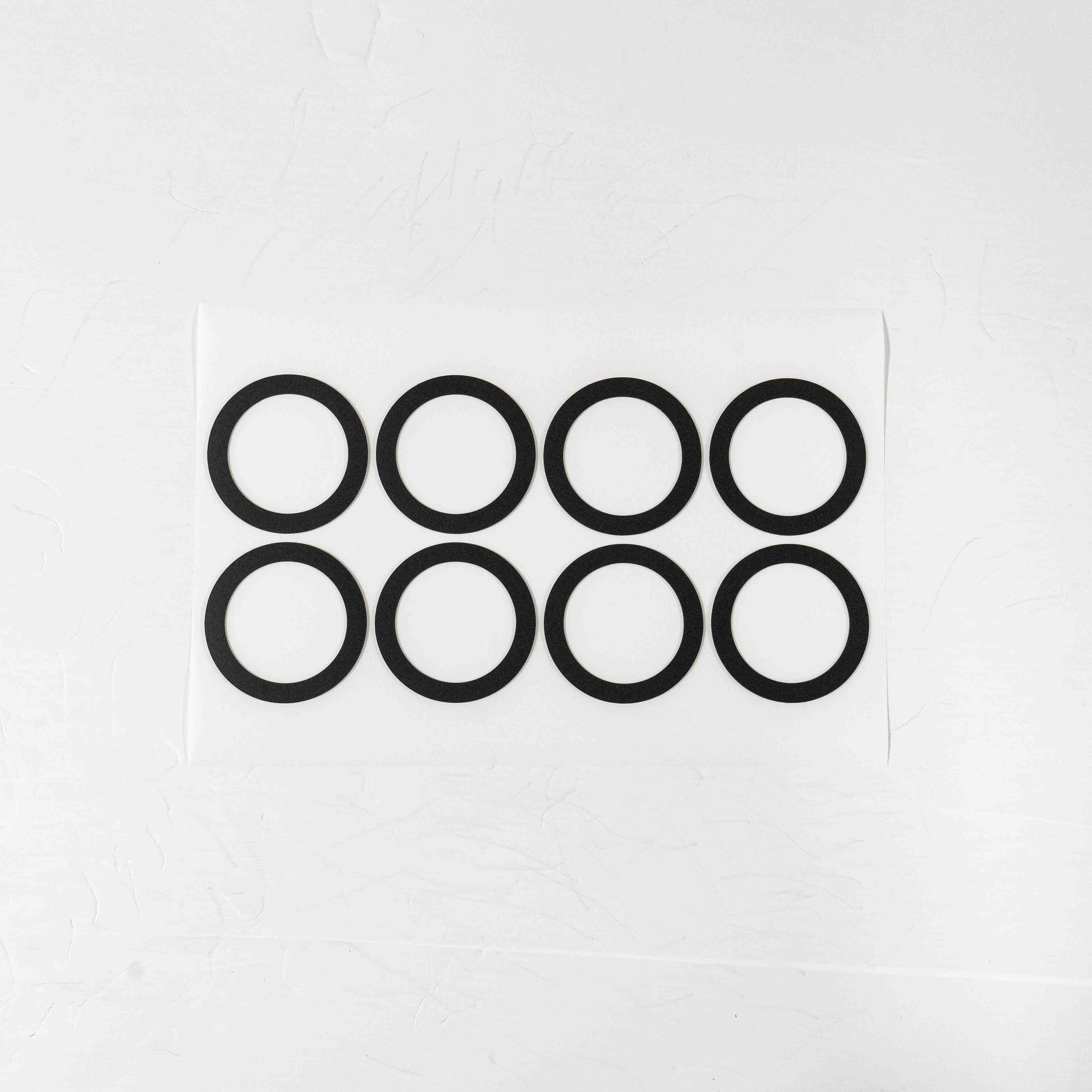
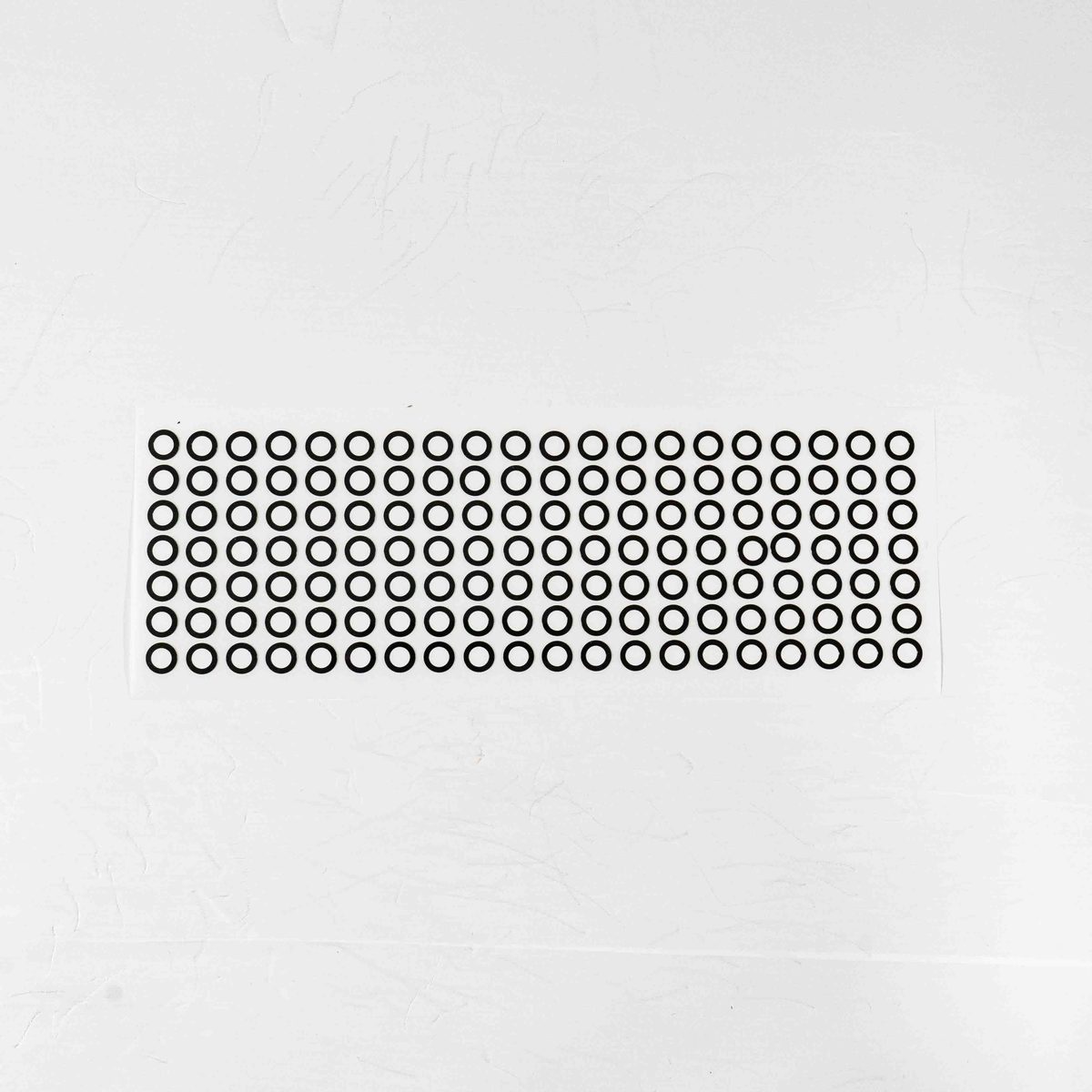
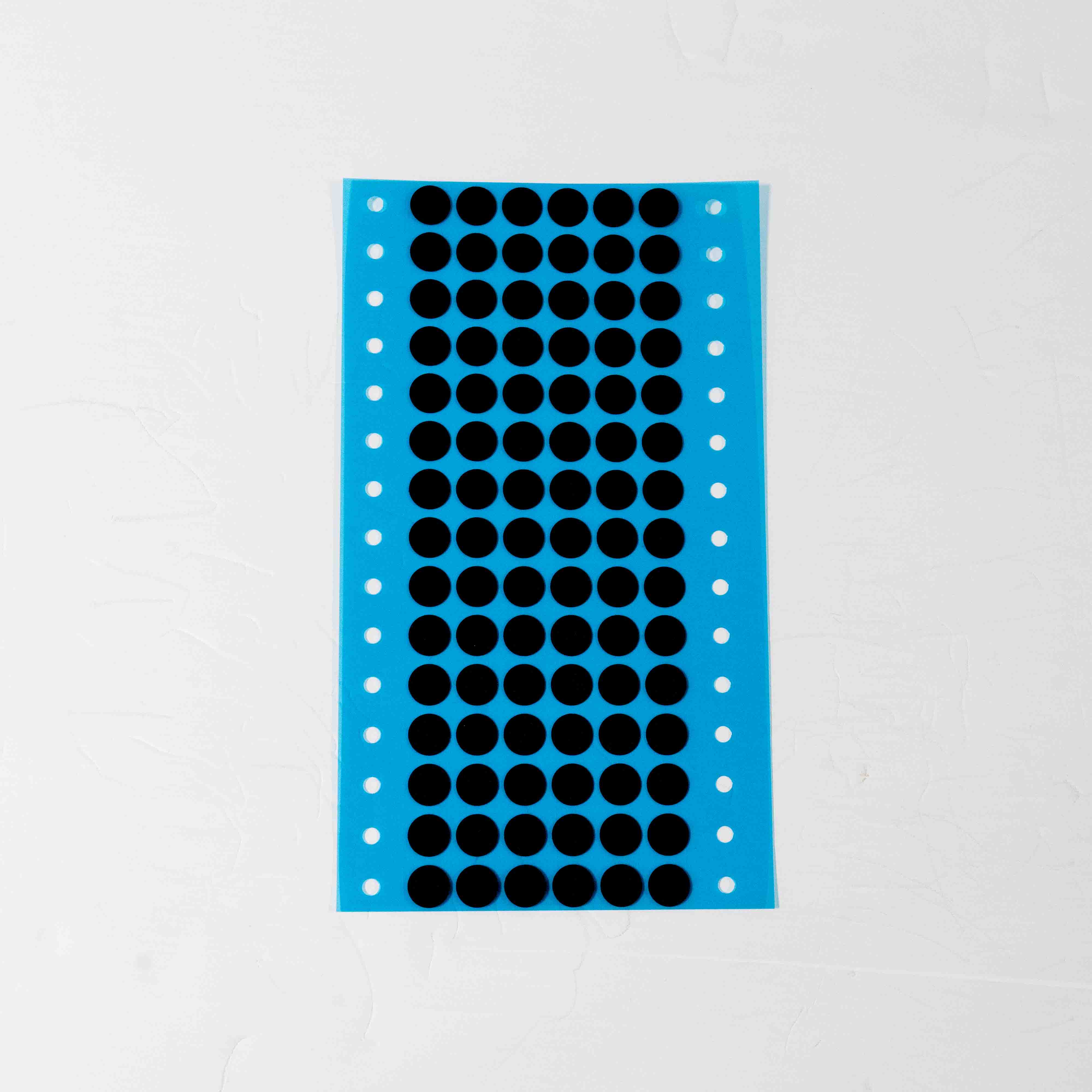
Why TWS Earbuds Need a Waterproof Acoustic Vent
True-wireless earbuds live in the harshest consumer environment a membrane can face: earwax, sweat, sudden rain, and pocket lint, all inside a sealed acoustic chamber. Three failure modes show up repeatedly in R&D labs:
- Water ingress into the mic or speaker cavity after sweat or rain exposure.
- Sound distortion when a low-grade film adds 6–18 dB of insertion loss, muffling both sides of a call.
- Chamber pressure build-up that weakens bass and stresses the waterproof seal over time.
A correctly specified acoustic vent solves all three at once: it is the waterproof barrier, the sound window, and the pressure-equalization path in a single 0.05 mm part.
Key Features and Performance
- Acoustic Transparency: Sound insertion loss ≤1 dB at 1 kHz (ePTFE); premium acoustic-grade PU film—such as the Japanese film we tested—reaches 0.5–1.5 dB, in the same league as ePTFE. Non-fluorine film sits at 6–10 dB. Material choice therefore hinges on waterproof depth and chemical/thermal stability, not acoustic loss alone. Where ePTFE pulls clearly ahead: it reaches 2–50 m waterproof depth and a −40 °C to +260 °C thermal range—premium PU tops out near 1–2 m and a far lower temperature ceiling.
- Waterproof Depth: ePTFE vents are rated from 2 m (IP68) up to 10 m, 30 m, and 50 m for deep-submersion designs; PU film typically caps at 1–2 m.
- Air Permeability: ≥700 mL/min/cm² at 70 mbar for ePTFE, enabling fast pressure equalization.
- Temperature Range: ePTFE operates −40 °C to +260 °C; PU and TPU hit a much lower thermal ceiling and harden or creep sooner.
- Adhesive Backing: 3M 9448A or 3M 9495LE pressure-sensitive adhesive, rated −40 °C to +90 °C.
- Thickness & Tolerance: 0.03–0.20 mm film, die-cut to ±0.05 mm for automated pick-and-place.
Material Comparison: ePTFE vs TPU vs PU
| Material | Acoustic Loss | Max Water Depth | Breathability (ml/min @ Ø10 mm orifice) | Temp Range | Best For |
|---|---|---|---|---|---|
| ePTFE | ≤1 dB | 2–50 m | High (≥700) | −40 to +260 °C | Premium TWS, calls + music |
| TPU | 2–4 dB | IP67 | Medium | Mid-range earbuds | |
| PU | 0.5–1.5 dB* | 1–2 m | Low | Lower than ePTFE | Low-cost, speech-only |
* Premium acoustic-grade PU film (tested Japanese sample) measures 0.5–1.5 dB—comparable to ePTFE. Low-grade PU can be far higher; verify per supplier.
The numbers above are measured, not marketing claims. If a supplier quotes "1 dB" without stating the test frequency and humidity, treat it as a red flag—acoustic loss rises sharply above 2 kHz.
Where ePTFE pulls ahead: acoustic loss is now a tie with premium PU, but ePTFE reaches 2–50 m waterproof depth, survives −40 °C to +260 °C, resists chemicals and UV, and outlasts PU in long-life products—so it is the default for deep-submersion, under-hood, and multi-year-duty designs.
How to Select the Right Membrane for Your TWS Design
Four pitfalls cause most earbud waterproofing recalls:
- Unstated test conditions. Always ask for insertion loss at 1 kHz, 50% RH, 23 °C. A number without conditions is not comparable.
- IP rating without breathability. A sealed IP68 part that cannot vent will still fail from internal condensation. Match IP grade to air-permeability.
- Backing adhesive out of temp range. Earbuds in a hot car can hit 70 °C; a generic acrylic adhesive creeps and lifts. Specify 3M automotive-grade PSA.
- Die-cut tolerance too loose. ±0.05 mm holds the vent concentric to the sound port; sloppy cuts cause rattling and inconsistent SPL.
Selection standard we ship to customers: ePTFE film ≤1 dB loss · IP68 (2 m / 30 min) · ≥700 ml/min @ Ø10 mm orifice · 3M 9495LE · laser-cut to ±0.05 mm · full acoustic + waterproof test report per lot.
Factory Case: 10M+ Units for a Sports TWS Brand
A sports-audio brand came to us after field returns traced to mic corrosion from sweat. Their existing low-grade vent added 14 dB loss and only reached IP65. We switched them to a 0.08 mm ePTFE membrane with 3M 9495LE backing:
- Insertion loss dropped from 14 dB to 0.8 dB—callers reported "like the earbud wasn't there."
- Rating moved IP65 → IP68 (2 m / 30 min); sweat and rain returns fell below 0.2%.
- Automated laser die-cut at ±0.05 mm let them keep the same pick-and-place line, zero retooling.
- Volume: 10.4 million units over 14 months, zero acoustic-related returns.
FAQ
Will a waterproof membrane block sound on my earbuds?
Not with ePTFE. A properly specified ePTFE acoustic vent adds ≤1 dB insertion loss at 1 kHz—imperceptible to listeners—while blocking water and dust. "Low-grade non-fluorine films are what add 6–10 dB and muffle sound; by contrast, acoustic-grade PU films measure only 0.5–1.5 dB — in the same league as ePTFE (≤1 dB)."5 dB. For designs needing >2 m depth or high heat, ePTFE is the only film that holds up.
IP67 vs IP68 for TWS earbuds—which do I need?
IP67 protects against 1 m / 30 min immersion (rain, sweat, accidental drop in a puddle). IP68 extends to 2 m / 30 min for water-sports or heavy-sweat use. Most premium sports earbuds now specify IP68.
Can you die-cut custom shapes and sizes?
Yes. We laser-cut ePTFE vents to customer sound-port geometry at ±0.05 mm and supply free samples plus a full acoustic + waterproof test report per production lot.
Related guide: for the full material breakdown across all applications, see our Acoustic Vent Membrane (防水透声膜 / 透音膜) pillar page, which compares ePTFE, TPU, and PU across microphones, speakers, and wearable devices.