
Automotive Electronics Vent Membrane | IP67 IP68 Pressure Equalization
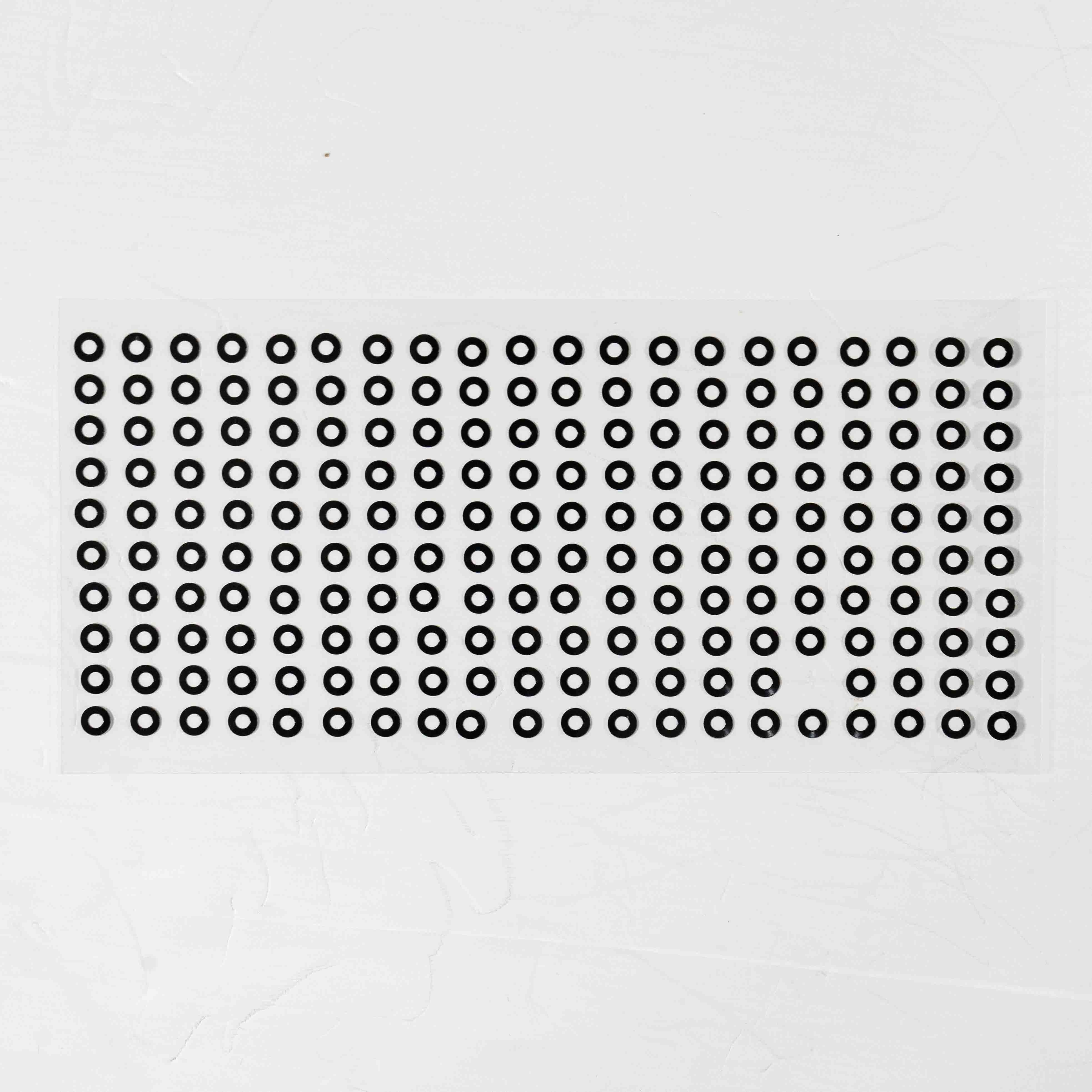
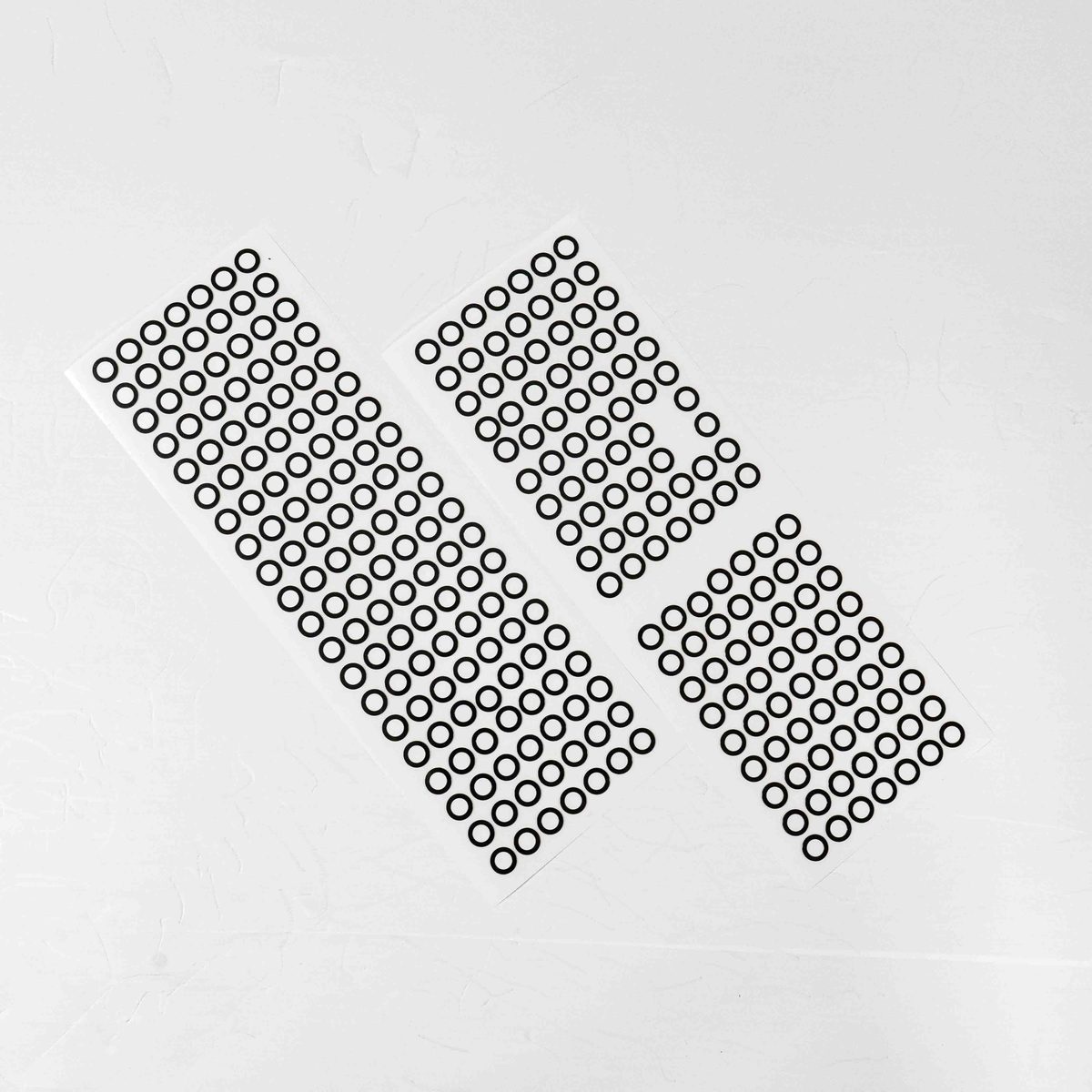
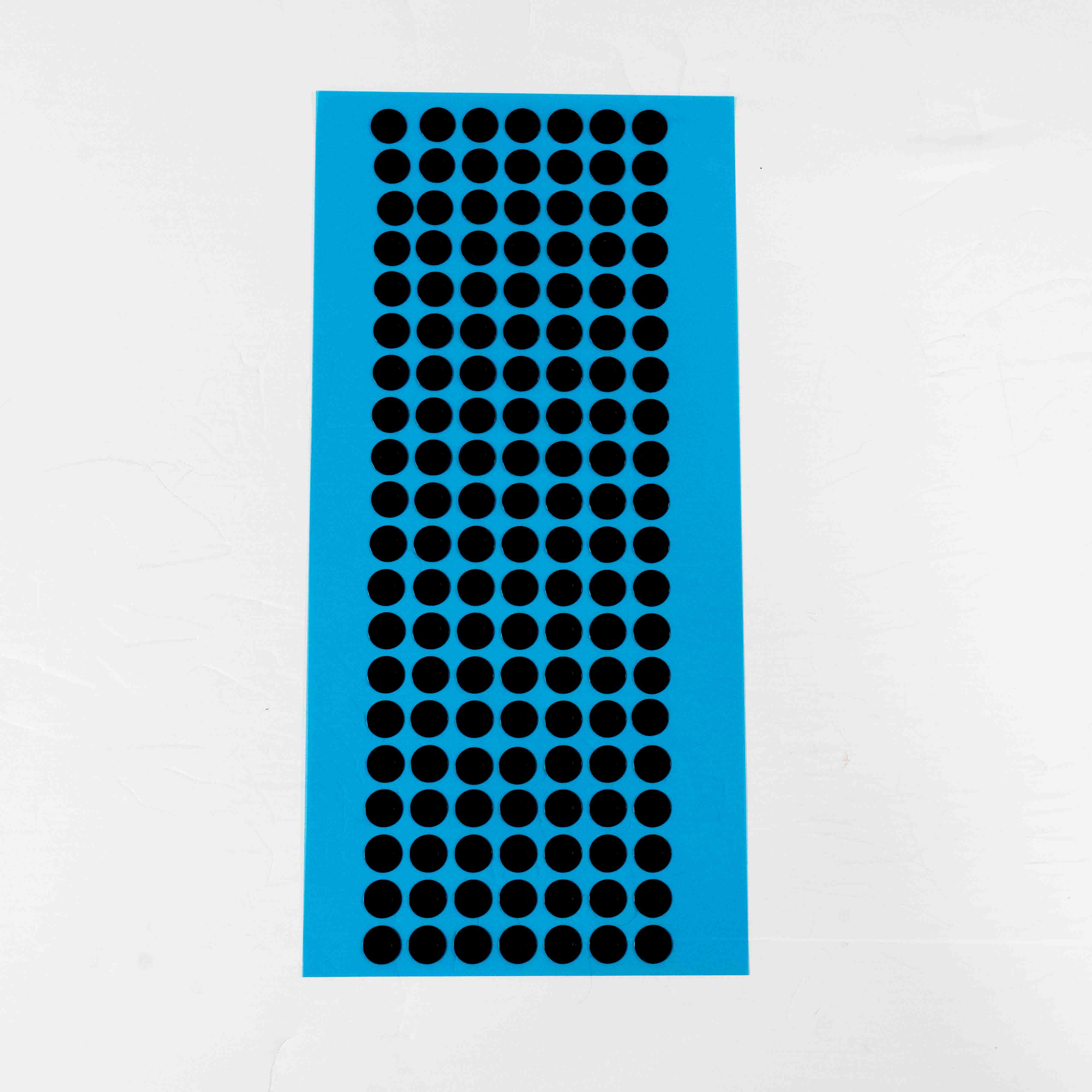
Why Automotive Electronics Need a Pressure-Equalization Vent
Under the hood and inside a pack, temperature swings from −40 °C to +120 °C pump air in and out of sealed housings. Four failure modes drive warranty claims:
- Battery-pack swelling when off-gassing has no relief path and internal pressure builds.
- Headlight fogging from humid air condensing on the cold lens at night.
- Sensor drift when a sealed MAP or pressure sensor can't equalize against ambient.
- Road-salt clogging of a vent that lacks a hydrophobic ePTFE layer.
A correctly specified ePTFE vent is the pressure-relief valve and the breathable barrier in one chemical-resistant part.
Key Features and Performance
- Pressure Equalization: air flow ≥1000 ml/min @ Ø10 mm orifice for ePTFE, relieving pack gas in seconds.
- Waterproof Depth: ePTFE vents are rated from 2 m (IP68) up to 10 m, 30 m, and 50 m for submerged modules; PU film typically caps at 1–2 m.
- Chemical Resistance: ePTFE resists brake fluid, oil, coolant, and road salt; PU and TPU degrade faster.
- Temperature Range: ePTFE operates −40 °C to +260 °C continuous; PU and TPU hit a far lower thermal ceiling and soften or creep far sooner.
- Adhesive Backing: 3M 9495LE or VHB, rated for automotive thermal cycle.
- Thickness & Tolerance: 0.10–0.30 mm film, die-cut to ±0.10 mm for large gasket ports.
Material Comparison: ePTFE vs TPU vs PU
| Material | Air Flow | Max Water Depth | Chemical Resist | Temp Range | Best For |
|---|---|---|---|---|---|
| ePTFE | ≥1000 ml/min @ Ø10 mm orifice | 2–50 m | Excellent | −40 to +260 °C | Battery packs, ECUs, headlights |
| TPU | Medium | IP67 | Good | Mid-range modules | |
| PU | Low | 1–2 m | Fair | Lower than ePTFE | Non-critical, shallow housings |
For automotive, chemical resistance matters as much as breathability. ePTFE withstands the fluid exposure that shortens PU and TPU service life—and its −40 °C to +260 °C range plus 2–50 m waterproof depth let it outlast PU in long-duty, under-hood, and deep-submersion modules.
How to Select the Right Vent for Your Module
Four pitfalls cause most automotive vent field failures:
- Air flow spec'd too low. A pack vent under 1000 ml/min @ Ø10 mm orifice cannot relieve off-gas fast enough; size to peak gas rate, not idle.
- IP rating without chemical proof. A vent that seals water but swells in oil fails in 6 months. Demand fluid-resistance data.
- Backing adhesive out of thermal range. Under-hood hits +120 °C; generic PSA creeps. Specify 3M automotive VHB.
- No salt-spray validation. 96 h salt spray is the minimum; many low-cost vents clog or leak here.
Selection standard we ship: ePTFE ≥1000 ml/min @ Ø10 mm orifice · IP68 (2 m / 30 min) · fluid-resistant · 3M VHB · die-cut ±0.10 mm · IATF 16949 lot traceability.
Factory Case: EV Battery-Pack Vent
An EV pack maker saw 11% swelling-related claims after summer heat. Their TPU vent flowed only 400 ml/min @ Ø10 mm orifice and softened in coolant. We switched to a 0.20 mm ePTFE membrane with 3M VHB:
- Air flow 400 → 1200 ml/min @ Ø10 mm orifice; pack pressure stayed within envelope through +120 °C cycles.
- Swelling claims fell from 11% to 0.4% in two quarters.
- 96 h salt spray passed with zero clog; road-test fleet hit 50,000 km clean.
- Volume: 1.8 million vents over 12 months, zero pressure-related returns.
FAQ
Why does a battery pack need a vent at all?
Lithium cells off-gas as they heat; without a breathable relief path, internal pressure swells and can rupture the pack. An ePTFE vent equalizes pressure while blocking water and dust.
IP67 vs IP68 for automotive modules?
IP67 (1 m / 30 min) suits splash and rain exposure; IP68 (2 m / 30 min) is for submerged or high-pressure wash-down modules such as off-road and EV pack enclosures.
Can you supply automotive-grade traceability?
Yes. We provide IATF 16949-aligned lot traceability, fluid-resistance data, and free samples for on-vehicle validation.
Related guide: see our Pressure Equalization Vent Membrane pillar page and the Waterproof Breathable Membrane pillar page for the full material and application breakdown.