
Waterproof Acoustic Mesh Design Guide for TWS Earbuds
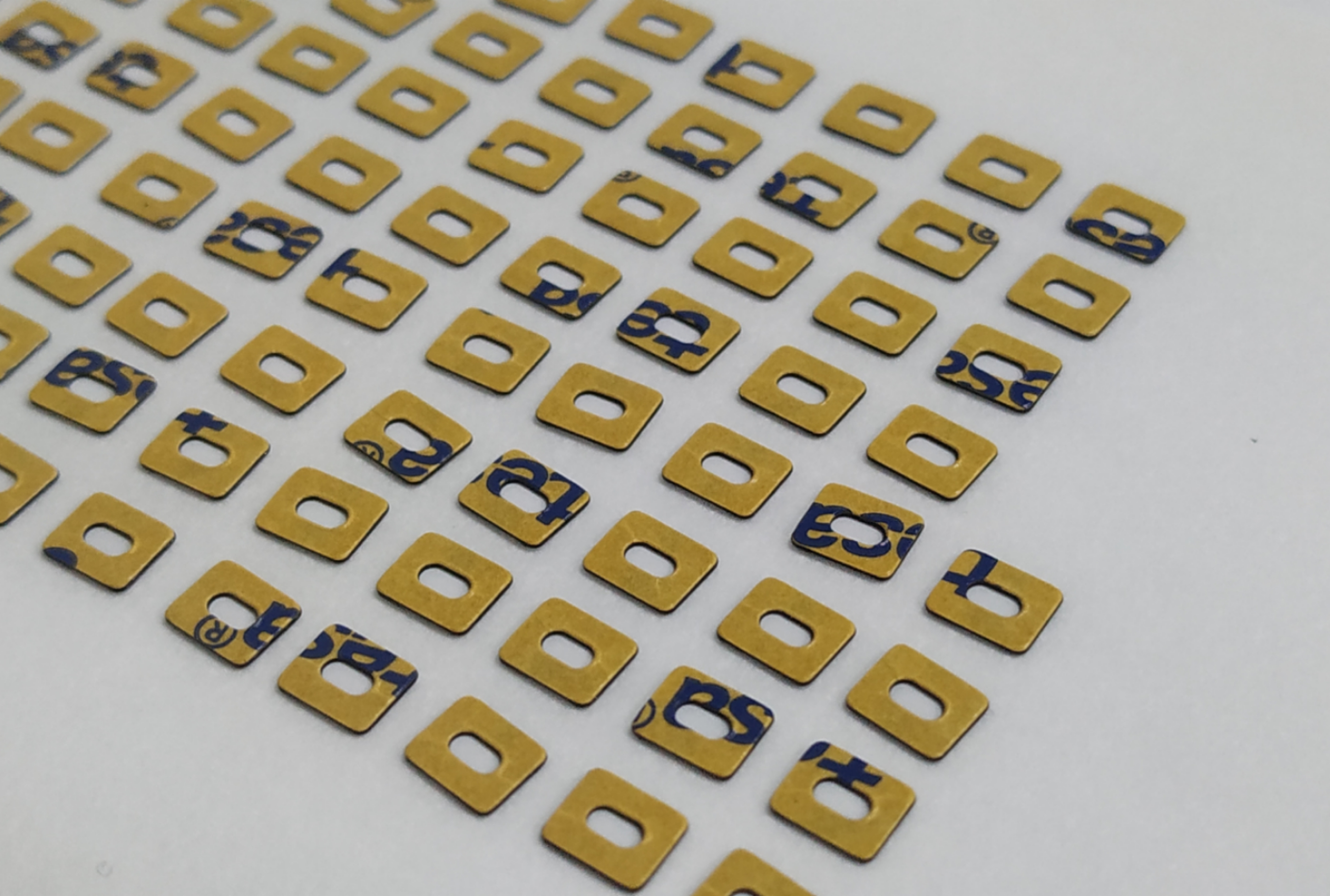
Every TWS earphone and wearable device has at least one acoustic opening that must stay open to sound and closed to sweat, dust, and rain. The component that solves this paradox is the waterproof acoustic mesh. A well-specified acoustic mesh protects the speaker and microphone without making music or voice calls sound muffled.
In this article we explain the design decisions behind acoustic mesh selection for TWS products, from material and mesh count to IP rating and assembly integration.
What Does an Acoustic Mesh Actually Do?
An acoustic mesh is a thin layer of woven or non-woven material placed over a speaker, microphone, or vent opening. Its job is to:
- Block water, sweat, dust, and earwax from entering the acoustic cavity
- Allow sound waves to pass with minimal loss
- Act as a secondary foreign-object barrier during daily handling
Most premium TWS products today use a metal or polymer mesh bonded to an ePTFE or TPU waterproof layer. The mesh provides structural support and some particle filtering; the membrane provides the actual waterproof seal.
Metal Mesh vs. Polymer Mesh: Which Is Better?
The visible grille on a TWS earphone is usually a metal mesh. Under that mesh sits a waterproof membrane. Engineers sometimes confuse the two, so here is a clear comparison.
| Feature | Metal Acoustic Mesh | Polymer / Fabric Mesh |
|---|---|---|
| Typical material | Stainless steel 304/316 | Nylon, PET, or ePTFE |
| Mesh count | 100 to 400 mesh | 20 to 100 microns fiber |
| Rigidity | High, holds shape | Flexible, needs carrier |
| Waterproof on its own | No | Sometimes, if ePTFE-based |
| Best application | Speaker grille, visible port | Internal port, microphone |
For a TWS speaker port that users can see, a metal mesh + ePTFE laminate gives the best combination of aesthetics, durability, and waterproofing. For a hidden microphone port, a thin polymer mesh may be enough.
How Waterproof Does TWS Mesh Need to Be?
TWS earphones are rarely submerged for long periods, but they are exposed to sweat, rain, and occasional drops into water. Most brands target one of these IP ratings:
- IPX4: Sweat and light splash resistance. Minimum for fitness-focused TWS.
- IPX5: Water-jet resistance. Suitable for outdoor and sports use.
- IPX7: Temporary immersion up to 1 meter. Common for premium flagship models.
The mesh itself does not create the IP rating. The rating depends on the entire acoustic-stack design: housing geometry, mesh material, adhesive bond, and membrane selection. If your supplier only quotes "IPX7 mesh" without context, ask for the full stack validation data.
Key Acoustic Performance Metrics
Insertion Loss
Insertion loss measures how much the mesh reduces sound output. A good TWS acoustic mesh adds less than 1 dB of loss at 1 kHz. Poorly chosen meshes can attenuate high frequencies and make music sound dull.
Airflow Resistance
Low airflow resistance is important for microphone ports because the microphone needs to sense pressure changes accurately. Typical target values are 5 to 50 Pa·s/m depending on port size.
Frequency Response
Test the mesh with your actual speaker driver and DSP tuning. A mesh that performs well with one driver may sound different with another due to back-cavity volume and port geometry.
Design Rules for TWS Mesh Integration
Keep the Port Area Generous
Smaller ports create higher airflow velocity and more acoustic loss. If your industrial design allows, keep the effective open area above 3 mm² for speakers and above 1 mm² for microphones.
Control Adhesive Squeeze-Out
Pressure-sensitive adhesive around the mesh can ooze into the open area during assembly and reduce acoustic performance. Use a defined glue groove or laser-cut adhesive ring with controlled thickness.
Avoid Direct Skin Contact
Earwax and skin oils can clog metal meshes over time. A subtle recessed grille design or replaceable ear tip geometry reduces direct contact and extends product life.
Validate with Sweat Simulation
Standard water testing does not fully represent sweat, which contains salts and oils. Run a sweat simulation test at 40°C and 95% relative humidity for at least 48 hours before finalizing the design.
Material Combinations We Recommend
| Application | Visible Layer | Waterproof Layer | Typical IP Target |
|---|---|---|---|
| Flagship TWS speaker | SS 316 mesh, 200 mesh | ePTFE 0.10 mm | IPX7 |
| Fitness TWS speaker | SS 304 mesh, 150 mesh | ePTFE 0.10 mm | IPX5 |
| TWS microphone | Polymer mesh carrier | ePTFE 0.05 mm | IPX4 |
| Smartwatch speaker | SS 316 mesh, 250 mesh | ePTFE 0.10 mm | IP68 |
These combinations are starting points. Final selection depends on your housing, speaker driver, target cost, and cosmetic requirements. View our acoustic mesh product range for standard sizes and customization options.
Common Acoustic Mesh Failures and How to Avoid Them
- Muffled sound: Mesh too dense or membrane too thick. Optimize insertion loss before locking industrial design.
- Clogging: Open area too small or mesh exposed to skin. Add a protective grille or ear-tip geometry.
- Water ingress: Adhesive bond line too narrow or membrane damaged during assembly. Use automated placement and visual inspection.
- Inconsistent performance: Mesh tension or membrane thickness varies by supplier lot. Set incoming QC specs and demand CPK data.
FAQ
Can one mesh design work for both speaker and microphone?
Usually not. Speakers need larger open area and lower airflow resistance. Microphones need precise pressure coupling and may use thinner membranes. Design each port separately.
Does a finer mesh always mean better waterproofing?
No. Waterproofing comes mainly from the ePTFE or TPU membrane, not the mesh count. A finer mesh may block larger particles but can also increase acoustic loss.
What is the thinnest waterproof acoustic mesh available?
We supply laminated acoustic mesh stacks as thin as 0.08 mm total thickness, including adhesive carrier. This fits most compact TWS housing designs.
Can you match a specific color or finish?
Yes. Metal meshes can be anodized or coated in black, silver, gold, and other colors. Polymer meshes can be dyed to match housing plastics.
How do I test acoustic mesh in my prototype?
Start with an audio frequency sweep to measure insertion loss. Then run IPX water testing on fully assembled units. Never test the loose mesh alone and assume the final product will pass.
Conclusion
Waterproof acoustic mesh is a small component with an outsized impact on TWS product quality. The right design balances water protection, sound quality, durability, and manufacturability. Start by defining your IP target and acoustic requirements, then select a mesh + membrane stack that your assembly process can repeat reliably.
If you need samples or engineering support for your next TWS or wearable project, contact the Mimoyin team for a tailored acoustic mesh recommendation.
Frequently Asked Questions
What waterproof rating do your membranes achieve?
Our ePTFE waterproof breathable membranes achieve IP67 and IP68 protection grades. They withstand immersion at 1 meter depth for 30 minutes (IP67) and continuous submersion (IP68), while maintaining stable airflow for pressure equalization.
Can you provide custom sizes and die-cutting shapes?
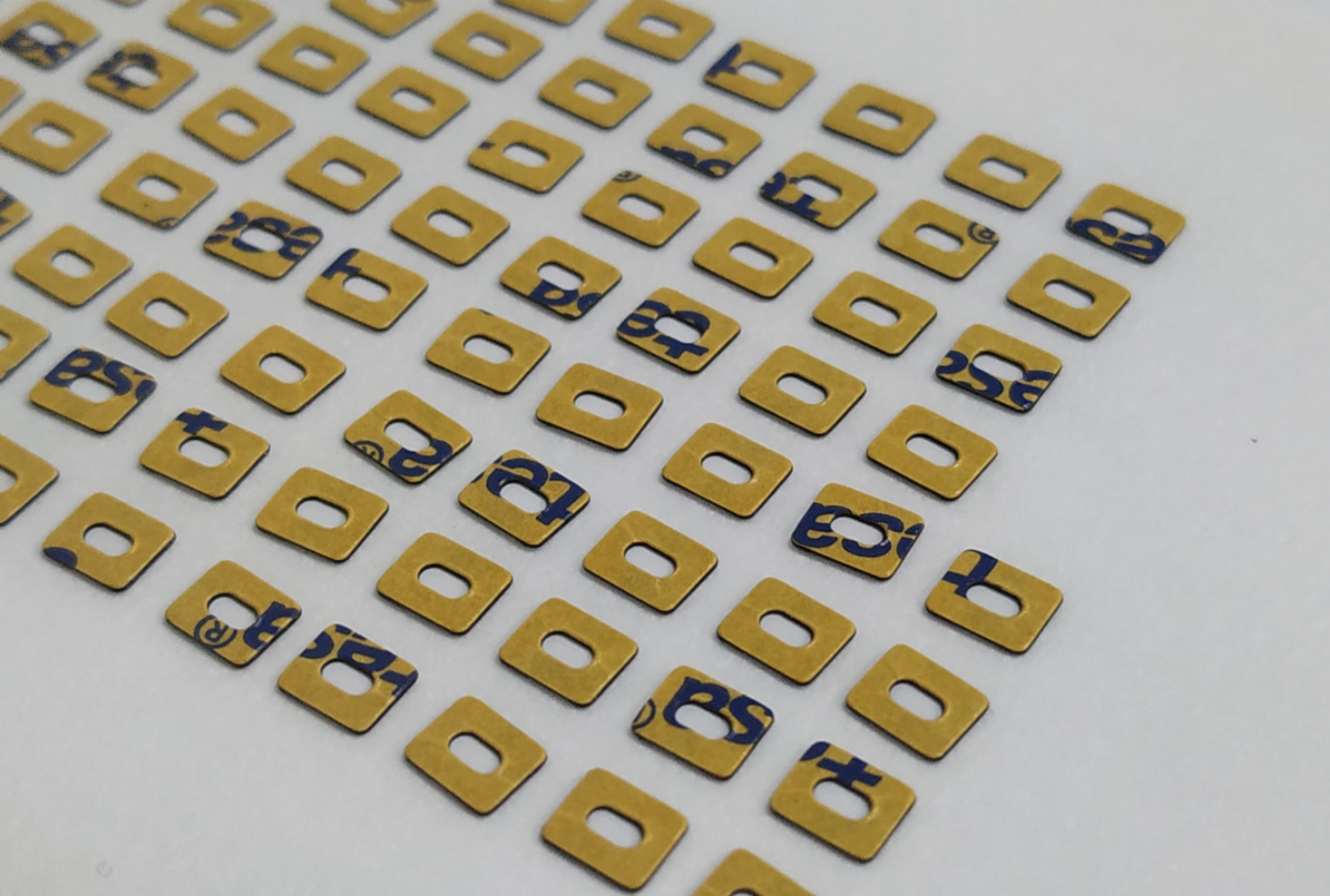
Yes, we offer full custom die-cutting services. We can produce membranes in any size or shape according to your specifications, including round, rectangular, and complex custom geometries. Our Class 10,000 cleanroom ensures precision cutting for production volumes.
What is the minimum order quantity (MOQ)?
We support both prototyping and mass production. Free samples are available for testing with 3-5 working days delivery. For mass production, MOQ is flexible depending on the product specification and can be discussed based on your project requirements.
What industries and applications do your membranes serve?
Our membranes are widely used in automotive electronics, lithium batteries, smart wearables, consumer electronics, LED lighting, medical devices, and industrial sensors. Applications include speaker acoustic vents, pressure balance vents, microphone waterproof membranes, and battery venting solutions.
How long is the delivery time for samples and mass production?
Free samples are delivered within 3-5 working days via express shipping. Mass production typically takes 7-15 working days depending on order quantity and customization requirements. We provide one-stop technical support from sample testing to mass production.