
What Are The Differences Between Fluorine-free Waterproof Vent Membrane And ePTFE Waterproof Vent Membrane
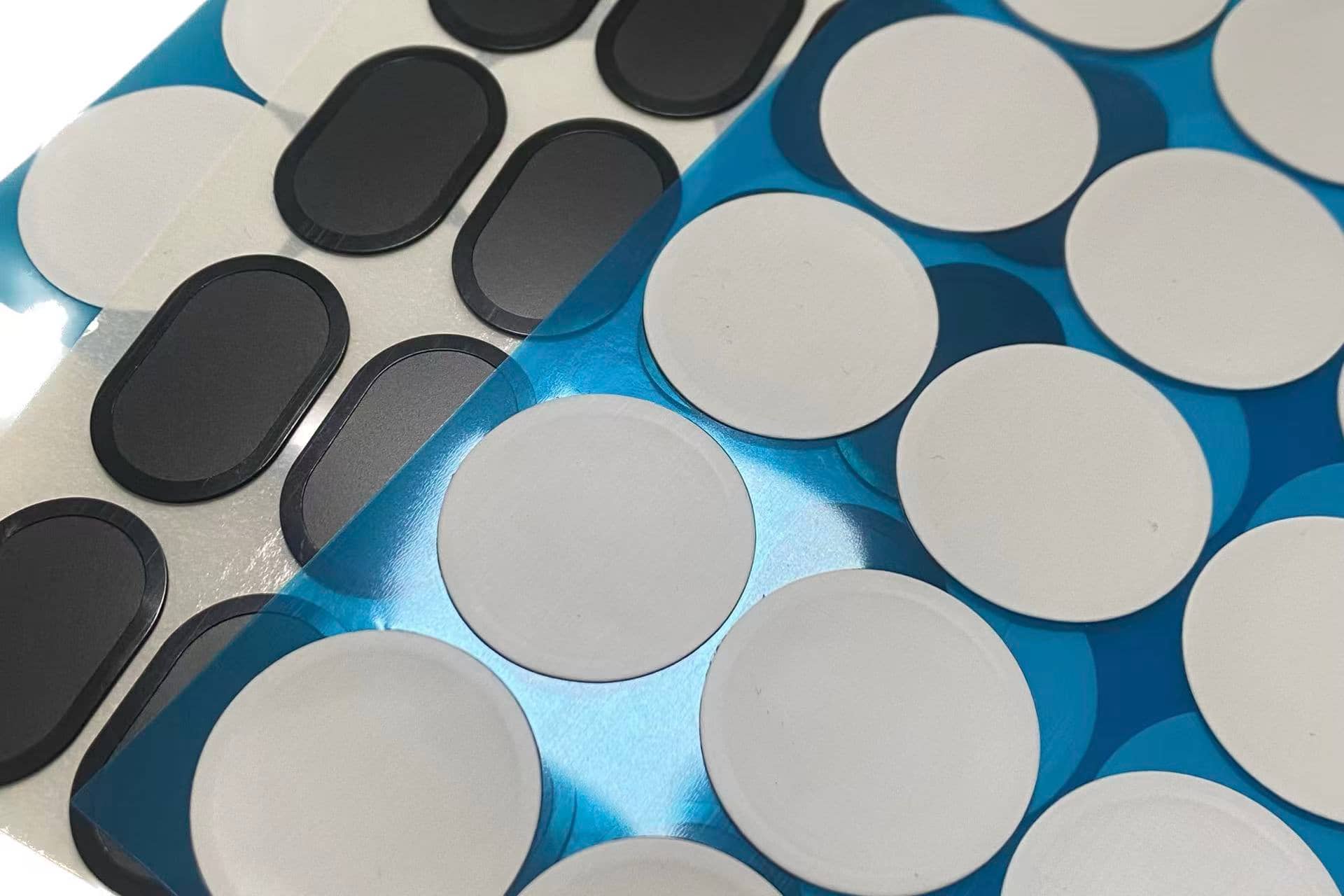
What Are The Differences Between Fluorine-free Waterproof Vent Membrane And ePTFE Waterproof Vent Membrane
Type: Two Mainstream Microporous Vent Protective Membranes
Feature: Comparison of Waterproof Grade, Air Permeability, Weather Resistance & Environmental Standards
dvantage: Suitable for Low-cost & Extreme Working Conditions Separately
What Are The Differences Between Fluorine-free Waterproof Vent Membrane And ePTFE Waterproof Vent Membrane
Many equipment manufacturers struggle with selection: choosing fluorine-free vent membrane or ePTFE membrane directly affects machine life and compliance cost.
Low-cost lightweight products prefer fluorine-free materials, while outdoor high-temperature, salt spray and lithium battery equipment is more suitable for ePTFE fluorine-based microporous membrane.
Wrong material selection will cause long-term loss problems such as air permeability attenuation, water ingress failure and unqualified environmental testing.
II. Material Comparison & Selection Popular Science (Build Professional Authority)
2026 Comprehensive Comparison of Two Types of Vent Membranes: Analysis of Five Dimensions Including Raw Material, Weather Resistance, Air Permeability, Environmental Protection & Cost.
Waterproof Vent Membrane Selection Pitfall Guide: Quickly Distinguish Application Scenarios of Fluorine-free and ePTFE According to Working Conditions.
Fluorine-free PU Vent Film VS ePTFE Microporous Membrane: Overview of Core Differences in Environmental Protection, Temperature Resistance & Service Life.
Difference Between Fluorine-Free Waterproof Breathable Membrane & ePTFE Membrane
We compare material, air permeability, temperature resistance, corrosion resistance, environmental protection, service life and cost to help customers select suitable waterproof vent membrane.
1. What are the raw materials of fluorine-free membrane and ePTFE membrane?
Fluorine-free breathable membrane mainly uses PU, PET, PP polymer materials. ePTFE membrane is made of expanded polytetrafluoroethylene.
2. Air permeability gap between fluorine-free membrane and ePTFE membrane under same size
With same thickness and aperture, ePTFE air permeability is 3~8 times higher than fluorine-free PU membrane, with faster pressure relief and more stable air balance.
3. High & low temperature resistance and salt spray corrosion comparison
ePTFE works stably from -40℃ to 260℃, excellent in acid, alkali and salt spray resistance.
Fluorine-free membrane shrinks at high temperature and cracks at low temperature. Its service life is only 1/3~1/2 of ePTFE membrane.
4. EU export environmental standard differences
ePTFE meets RoHS, REACH and PFAS compliant standards, suitable for global export.
Fluorine-free membrane has no PFAS restriction, but worse long-term environmental stability.
5. Why fluorine-free membrane is not recommended for lithium battery & energy storage equipment
Fluorine-free membrane melts easily under thermal runaway, causing delayed pressure relief and safety hazards. ePTFE is non-flammable, high temperature resistant and explosion-proof.
6. Can fluorine-free membrane meet IP67 waterproof demand for household small appliances?
It can reach IP67 in normal indoor environment, but poor temperature resistance and aging resistance.
7. Anti-UV aging performance under long outdoor sunlight exposure
Fluorine-free membrane clogs and fails in 3~12 months outdoors.
ePTFE maintains stable air permeability for 3~5 years under outdoor UV exposure.
8. Purchasing cost and comprehensive after-sales cost comparison
Fluorine-free material cost is 30%~60% lower. But high failure and after-sales cost in harsh conditions make total cost higher than ePTFE.
9. Can fluorine-free PU membrane & ePTFE membrane be laminated with adhesive & non-woven fabric and die-cut?
Both support adhesive lamination, non-woven composite and precision die-cut processing.
10. Which membrane to choose for tracker, sports camera and industrial terminals?
Outdoor precision electronics, trackers, sports cameras choose ePTFE waterproof membrane.
Low-cost indoor household products can choose cost-effective fluorine-free membrane.
Inquire Now For Best Waterproof Vent Membrane Solution
Frequently Asked Questions
What waterproof rating do your membranes achieve?
Our ePTFE waterproof breathable membranes achieve IP67 and IP68 protection grades. They withstand immersion at 1 meter depth for 30 minutes (IP67) and continuous submersion (IP68), while maintaining stable airflow for pressure equalization.
Can you provide custom sizes and die-cutting shapes?
Yes, we offer full custom die-cutting services. We can produce membranes in any size or shape according to your specifications, including round, rectangular, and complex custom geometries. Our Class 10,000 cleanroom ensures precision cutting for production volumes.
What is the minimum order quantity (MOQ)?
We support both prototyping and mass production. Free samples are available for testing with 3-5 working days delivery. For mass production, MOQ is flexible depending on the product specification and can be discussed based on your project requirements.
What industries and applications do your membranes serve?
Our membranes are widely used in automotive electronics, lithium batteries, smart wearables, consumer electronics, LED lighting, medical devices, and industrial sensors. Applications include speaker acoustic vents, pressure balance vents, microphone waterproof membranes, and battery venting solutions.
How long is the delivery time for samples and mass production?
Free samples are delivered within 3-5 working days via express shipping. Mass production typically takes 7-15 working days depending on order quantity and customization requirements. We provide one-stop technical support from sample testing to mass production.