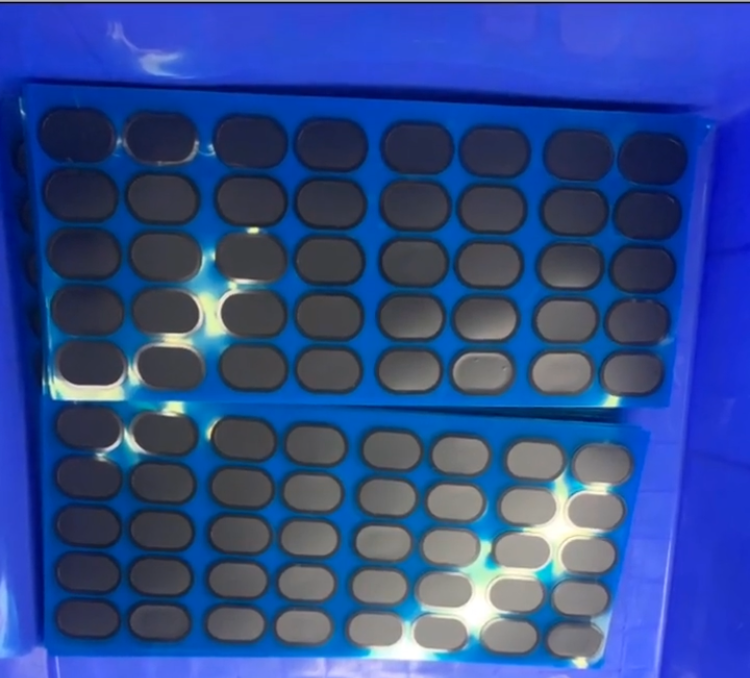
Acoustic Vent Membrane (Waterproof Sound Permeable Membrane)
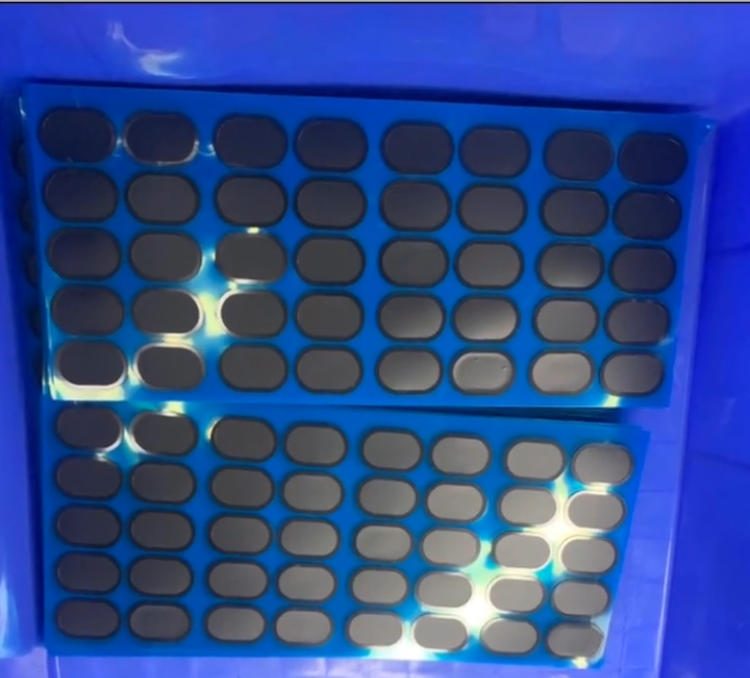
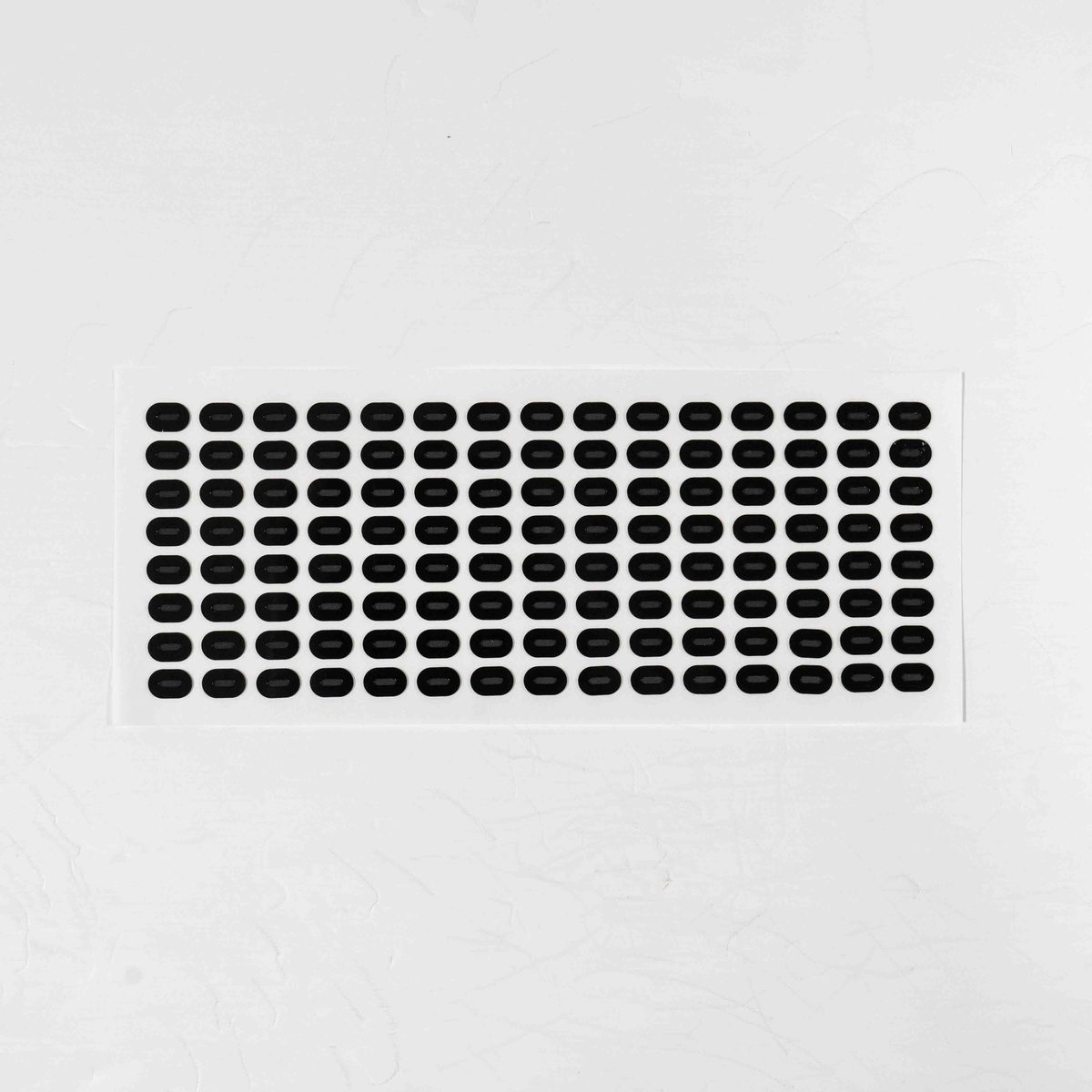
An acoustic vent membrane (also called a waterproof sound-permeable membrane) is a specialized microporous film installed on the audio cavity of electronic devices to allow sound waves to pass with minimal loss while blocking water, dust, and sweat. At Mimoyin, we manufacture ultra-thin ePTFE-based acoustic vent membranes that achieve acoustic insertion loss ≤ 1dB across the full 20Hz–20kHz frequency band — making them the preferred venting solution for TWS earphones, smart speakers, hearing aids, and waterproof microphones.
For audio product design engineers, the acoustic vent membrane is a critical component that directly affects sound quality, IP rating, and product reliability. Selecting the wrong membrane (or omitting it entirely) leads to sound distortion, moisture ingress, and premature product failure — especially in sweat-exposed and outdoor audio applications. Our acoustic membranes are specified by consumer electronics brands worldwide for exactly this reason.
How Acoustic Vent Membrane Works
The core challenge in acoustic vent design is the conflict between waterproofing and sound transmission. A solid enclosure provides excellent waterproofing but creates an acoustic echo chamber — sound reflects inside the cavity, causing frequency response peaks and dips. Adding a sound port (open hole) restores sound quality but compromises IP rating.
An acoustic vent membrane resolves this by:
- Microporous ePTFE structure: Pore sizes of 0.2–0.5μm allow air molecules (and thus sound waves) to pass freely, while blocking water droplets (which are 20–100× larger than the pores)
- Hydrophobic surface treatment: Water contacting the membrane beads up and rolls off, rather than wetting and clogging the pores
- Optimized thickness (0.08–0.25mm): Ultra-thin profile minimizes the acoustic path length, keeping insertion loss below the perceptible threshold (<1dB)
- Controlled airflow (800–2,500 ml/min @ 7kPa): Allows cavity pressure equalization, preventing the "drumskin effect" where differential pressure stiffens the speaker diaphragm
Technical Specifications
| Parameter | Acoustic-Grade ePTFE | High-Flow Variant |
|---|---|---|
| Base Material | Ultra-thin expanded PTFE | ePTFE + support mesh |
| Waterproof Rating | IP67 / IP68 (IEC 60529) | IP67 (high airflow focus) |
| Acoustic Insertion Loss | ≤ 1dB (20Hz–20kHz) | ≤ 2dB (higher airflow) |
| Air Permeability | 800–2,500 ml/min @ 7kPa | 2,000–5,000 ml/min @ 7kPa |
| Operating Temperature | -40°C to +260°C | -40°C to +260°C |
| Membrane Thickness | 0.08–0.25 mm | 0.15–0.30 mm |
| Sound Transmission Range | 20Hz – 20kHz (full band) | 100Hz – 16kHz |
| Adhesive Type | Low-outgassing PSA (acrylic) | Low-outgassing PSA / heat-bond |
| Typical Dimensions | Ø4mm / Ø5mm / Ø6mm / Ø8mm | Custom shapes available |
| Typical MOQ | 1,000 pcs | 500 pcs (prototype runs) |
All acoustic membranes are 100% acoustic-loss tested at our factory. Custom frequency response curves available upon request.
Key Application Scenarios
1. TWS (True Wireless Stereo) Earphones
TWS earbuds are the largest application for acoustic vent membranes. Each earbud requires 2–3 vent membranes: one on the speaker cavity (outgoing sound), one on the microphone port (incoming voice), and sometimes one on the ANC (active noise cancellation) feedback microphone. Our membranes maintain IP55–IP68 rating while preserving Hi-Res audio quality. Read our TWS membrane guide →
2. Smart Speakers & Voice Assistants
Waterproof smart speakers (bathroom, kitchen, outdoor models) require acoustic vents on both the speaker driver and the far-field microphone array. Our acoustic membrane protects the microphone ports from steam and cooking oils while maintaining >95% voice recognition accuracy.
3. Hearing Aids & Medtech Audio
Hearing aids are worn 12–16 hours/day in sweat, humidity, and earwax environments. Acoustic vent membranes must be biocompatible, oleophobic, and acoustically transparent. We supply medical-grade ePTFE acoustic vents with USP Class VI certification.
4. Action Cameras & Outdoor Recorders
Waterproof action cameras (GoPro-class) need acoustic vents on both microphone and speaker ports. The membrane must survive saltwater spray, rain, and temperature swings from -20°C to +60°C. Our acoustic vents are specified by leading action camera brands.
5. Automotive Audio & Hands-Free Systems
Car door speakers, dashboard tweeters, and hands-free microphones are exposed to condensation, car wash pressure, and temperature cycling. Acoustic vent membranes rated IP67 are now a standard specification in automotive audio enclosures. See automotive electronics solutions →
Acoustic Performance: What Engineers Need to Know
When specifying an acoustic vent membrane, the following parameters matter most for sound quality:
Insertion Loss (IL)
IL measures how much sound energy is lost as it passes through the membrane. <1dB is audibly transparent — most listeners cannot perceive the difference. 1–3dB is acceptable for mid-range products. >3dB causes audible high-frequency roll-off.
Frequency Response Effect
A properly selected acoustic membrane has minimal effect on frequency response. However, if the membrane's airflow is too low for the enclosure volume, it creates a secondary resonance peak in the 500Hz–2kHz range. We provide frequency response curves for every acoustic membrane grade we produce.
Water Breakthrough Pressure
This is the water pressure at which the membrane's hydrophobic barrier fails. Our acoustic-grade ePTFE membranes have a water entry pressure of >150kPa — equivalent to >15 meters of water column, far exceeding IP68 requirements (1 meter / 10kPa for 30 minutes).
Installation & Assembly Guidance
Acoustic vent membranes are typically installed in one of three ways:
- PSA adhesive mounting: The most common method. A double-sided acrylic adhesive ring is pre-applied to the membrane. The assembler simply peels off the release liner and presses the membrane onto the enclosure. Important: the enclosure surface must be clean and flat; curved surfaces reduce adhesion.
- Heat bonding: For high-volume automated assembly, the membrane can be supplied with a heat-activated adhesive layer. This is compatible with reflow soldering environments (up to 260°C for short durations).
- Overmolding: The membrane is placed into the mold before injection molding. The plastic flows around the membrane edge, creating a permanent, IP69K-capable seal. This is the preferred method for high-reliability automotive applications.
Frequently Asked Questions
What is the difference between an acoustic vent membrane and a regular vent membrane?
Acoustic membranes are thinner and have higher air permeability per unit area than standard pressure-equalization vents. They are specifically engineered so that the ePTFE pore structure and thickness do not create an acoustic barrier. A regular vent membrane placed on an audio port would cause noticeable sound muffling (3–10dB loss).
Does the adhesive ring affect sound quality?
Yes, if not designed properly. The adhesive ring creates a secondary seal around the membrane. If the ring is too wide, it reduces the effective membrane area and increases acoustic resistance. We optimize our adhesive ring inner diameter to be <0.5mm from the membrane edge, minimizing this effect.
Can acoustic vent membranes be cleaned or reused?
No. Once installed, the membrane should not be removed — the adhesive bond is designed for permanent mounting. If the membrane becomes contaminated (earwax, heavy sweat), it should be replaced. For prototype testing, we supply acoustic membranes with a removable low-tack adhesive option.
What IP rating can be achieved with acoustic vent membranes?
IP67 (1m water, 30 min) is standard. IP68 (continuous immersion) is achievable with optimized enclosure design and overmolding. IP69K (high-pressure wash) requires overmolding — PSA mounting alone cannot survive 80–100 bar water jet pressure.
Does the membrane affect ANC (Active Noise Cancellation) performance?
Not if insertion loss is ≤1dB. ANC algorithms rely on the feedback microphone accurately capturing external sound. If the microphone port has >3dB loss, the ANC tuning will be incorrect, causing phase errors and reduced noise cancellation effectiveness. Our acoustic membranes are specified by multiple ANC-equipped TWS brands for this reason.
Can you provide Samples for acoustic testing?
Yes. We provide free samples (up to 50 pcs) for qualified B2B customers. Samples ship within 3–5 working days. Include your courier account (DHL/FedEx/UPS) or we can quote shipping separately. Request acoustic membrane samples →
Need help selecting the right acoustic vent membrane? Send us your enclosure drawing (DXF/DWG/STEP), target IP rating, and frequency response requirements. Our acoustic engineering team will recommend the optimal membrane specification and provide samples for in-house testing. Contact us today →